The Importance of Hydration for Peak Performance
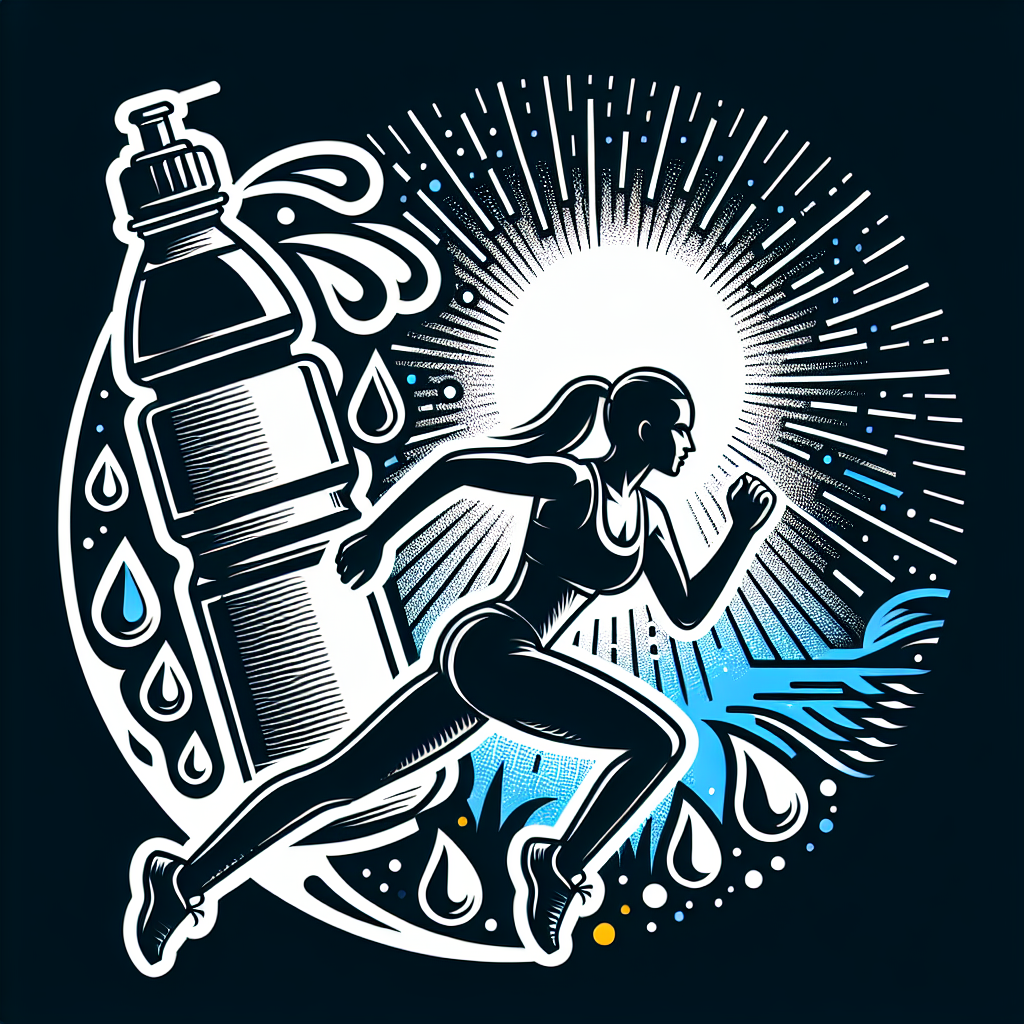
Hydration is an often-overlooked component of performance, yet it plays a critical role in both physical and mental success. As the year 2025 unfolds, an increasing number of studies reveal that optimal hydration is vital not just for athletes but for anyone striving for peak performance in their daily lives. This article delves into how hydration impacts performance, the science behind it, and practical strategies to maintain proper fluid balance.
The Science of Hydration and Its Impact on Performance
Understanding the relationship between hydration and performance begins with the science of how the body functions. Water makes up about 60% of the human body, playing essential roles in various biological processes, including digestion, temperature regulation, and nutrient transport. When the body is well-hydrated, these processes function optimally, allowing for enhanced physical capabilities and mental clarity. On the other hand, dehydration can lead to a decline in performance, cognitive function, and overall well-being. Research from the Journal of Sport Sciences has shown that even a 2% drop in hydration can negatively impact strength and endurance.
In 2025, ongoing studies expand our understanding of hydration further, indicating that the timing and composition of fluid intake can be as crucial as the quantity consumed. For instance, drinking water before, during, and after exercise can significantly improve recovery and performance outcomes. Moreover, the inclusion of electrolytes in hydration strategies—especially for prolonged physical activities—has gained traction, offering a more nuanced approach to fluid intake that enhances endurance and reduces the risk of cramping and fatigue.
The Role of Hydration in Physical Activity
Hydration is especially vital for athletes and those engaged in regular physical activity. During exercise, the body loses fluids through sweat, leading to a decrease in blood volume that can hinder performance. Dehydration can result in fatigue, decreased endurance, and increased perceived exertion, transforming what should be an invigorating workout into a struggle. A comprehensive review published in the Journal of Applied Physiology in early 2025 emphasizes that maintaining optimal hydration levels can enhance performance metrics, such as speed, strength, and agility across various sports.
Beyond performance metrics, hydration influences recovery time. When the body is adequately hydrated, it can efficiently transport nutrients and oxygen to muscles, expedite the removal of metabolic waste products, and minimize muscle soreness. Through a combination of preemptive hydration strategies and smart post-exercise recovery plans, athletes can significantly reduce downtime between training sessions and improve overall athletic longevity.
The Mental Aspects of Hydration and Performance
While hydration is often discussed in terms of physical performance, its psychological effects are equally critical. Research conducted in 2025 highlights that hydration levels can influence mood, alertness, and cognitive performance. Dehydration is associated with feelings of fatigue, irritability, and anxiety, which can severely impede focus and concentration. For professionals or students performing mentally demanding tasks, staying hydrated becomes foundational to achieving peak performance levels.
In addition to mood and cognitive function, the brain’s responsiveness is closely linked to hydration. Studies suggest that a mere 1% to 2% reduction in hydration could result in marked declines in attention span and short-term memory—two crucial components in high-pressure environments. By prioritizing hydration, individuals can sustain their mental acuity, thereby unlocking the full potential of their cognitive capabilities.
Hydration Strategies for Optimal Performance
To achieve peak performance, it is essential to establish effective hydration strategies tailored to individual needs. First, one must be aware of personal fluid requirements, which can vary based on factors such as age, weight, climate, and activity level. The National Academies of Sciences, Engineering, and Medicine recommends a general guideline of about 3.7 liters (or 13 cups) for men and 2.7 liters (or 9 cups) for women daily, including all beverages and food sources.
Second, consider the timing and quality of fluid intake. Incorporating beverages high in electrolytes, particularly during extended activities like marathons or triathlons, can help replenish lost minerals and maintain efficiency. Sports drinks that contain carbohydrates and electrolytes are designed to quickly replenish glycogen stores and electrolytes during intensive physical activity. Furthermore, hydration is not limited to drinking water; consuming fruits and vegetables such as cucumbers, watermelon, and oranges can also be effective ways to maintain hydration levels.
Lastly, establishing a routine that prioritizes hydration throughout the day can yield significant improvements. Carrying a reusable water bottle and setting reminders to drink fluids can facilitate consistent hydration habits. Additionally, understanding the unique signs of dehydration—such as dark urine, dizziness, and dry mouth—can empower individuals to take proactive steps to maintain hydration.
Hydration Education and Awareness in the Modern Age
As we move further into 2025, awareness around hydration and its essential role in performance is becoming more mainstream. Schools, workplaces, and fitness centers are increasingly incorporating hydration education into their health and wellness programs. By teaching individuals about the effects of hydration on both physical and mental performance, we encourage a culture of health that prioritizes fluid intake.
Incorporating hydration into athletic training and wellness programs is crucial for developing a community that values optimal performance. Educational workshops and seminars that highlight the importance of hydration can equip athletes and professionals with the knowledge needed to make informed choices regarding their fluid intake.
Moreover, technology has advanced to the point where innovative hydration-tracking apps are available, gamifying the hydration process and helping users monitor their daily fluid intake. Such tools make it easier than ever to keep track of hydration needs and encourage greater awareness in everyday life.
Challenges in Maintaining Adequate Hydration
Despite the known importance of hydration, many individuals face challenges in maintaining adequate fluid intake. A common misconception is that thirst is a reliable indicator of hydration needs; however, many people do not drink water until they feel thirsty, which can lead to chronic dehydration. Recent research has shown that by the time you feel thirsty, your body may already be experiencing dehydration, underscoring the need for proactive hydration habits.
Additionally, environmental factors can impact hydration levels. Hot weather, high altitudes, and dry conditions can exacerbate fluid loss, placing individuals at greater risk for dehydration. Being aware of these factors can inform better hydration strategies tailored to specific activities or environmental conditions.
Finally, the proliferation of sugary drinks poses another challenge. Many people opt for sodas or energy drinks instead of water, mistakenly believing these alternatives meet their hydration needs. In reality, these beverages can contribute to dehydration and negatively impact performance. Prioritizing water and suitable hydration options is essential for achieving peak performance levels.
Conclusion
The importance of hydration for peak performance cannot be overstated. As we’ve explored, staying adequately hydrated is crucial for optimal physical and mental functioning, whether you’re an elite athlete or someone striving for success in everyday activities. Understanding the science behind hydration, implementing effective strategies, and fostering awareness about its benefits can drastically improve your performance outcomes. By making hydration a priority, we can unlock our full potential, paving the way for success in all endeavors.
FAQs
1. How much water should I drink daily for optimal performance?
The National Academies of Sciences recommends about 3.7 liters for men and 2.7 liters for women daily, factoring in all beverages and foods.
2. What are signs of dehydration I should look for?
Common signs of dehydration include dark urine, dizziness, dry mouth, fatigue, and faintness.
3. Can I rely on thirst as an indicator for hydration?
Thirst is not a reliable indicator of hydration needs; people often experience dehydration before they feel thirsty. It’s advisable to drink water at regular intervals.
4. Are sports drinks necessary for hydration?
Sports drinks can be beneficial during prolonged physical activities or intense workouts, as they replenish lost electrolytes and carbohydrates. However, water is usually sufficient for most daily hydration needs.
5. How does hydration impact mental performance?
Hydration levels significantly affect mood, cognition, and focus. Even mild dehydration can negatively affect memory and concentration, impairing overall performance.
By prioritizing hydration, individuals can enhance both physical and mental performance, leading to improved outcomes in every facet of their lives.