The Influence of Political Satire on Public Perception

The Influence of Political Satire on Public Perception
In an age where information travels faster than ever, political satire has emerged as a compelling tool for shaping public perception. With the wealth of platforms available—from traditional television shows to social media—satirical commentary offers both entertainment and insight into political matters. As of 2025, the influence of political satire on public opinion cannot be understated, as it plays a crucial role in creating narratives that inform, engage, and sometimes polarize the populace. This article dives deep into the nuances of how political satire shapes perceptions in the contemporary landscape, stirring emotions and prompting critical thinking among the masses.
Understanding Political Satire and Its Evolution
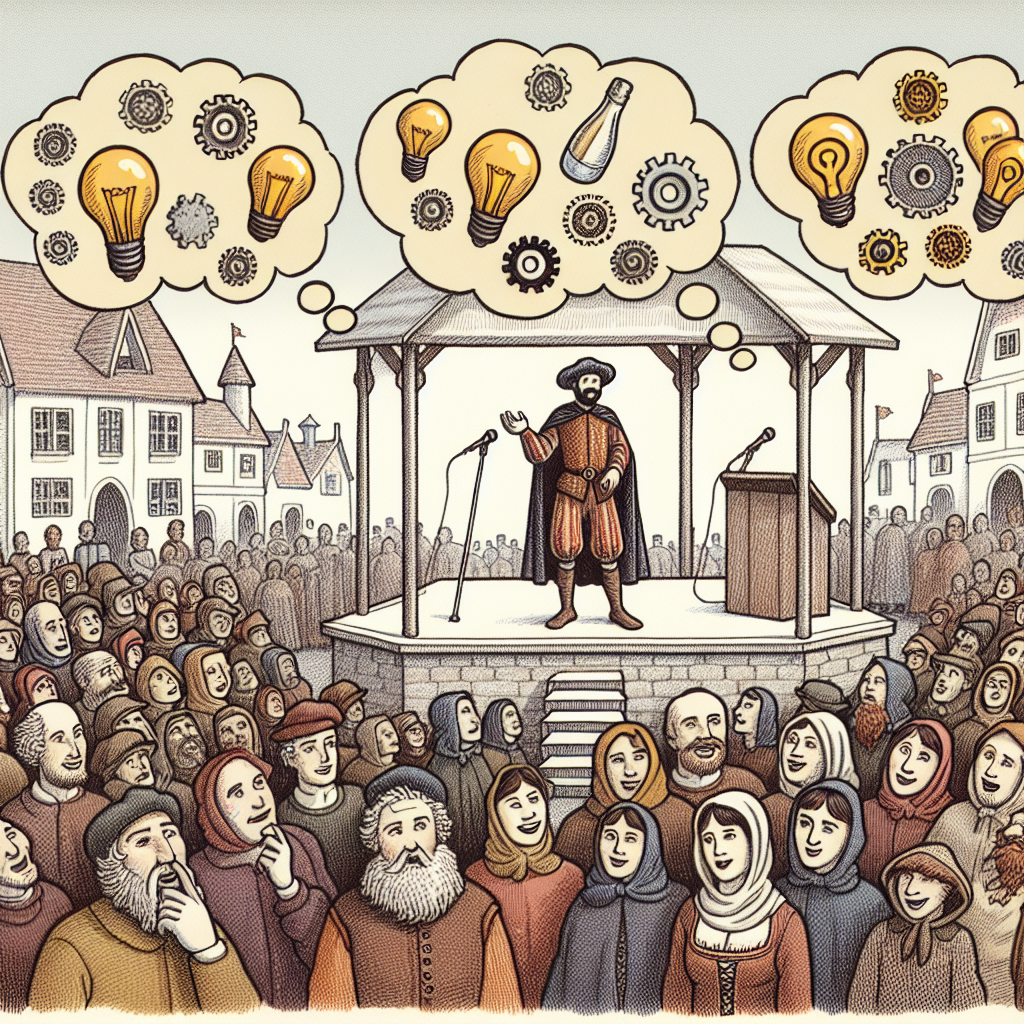
Political satire has a rich history, evolving from the ancient art of jesters entertaining royalty to modern-day television shows and internet memes. It serves to ridicule, critique, and analyze political events and figures, often using humor as a vehicle for deeper truths. As of 2025, platforms like social media have enabled satire to reach broader audiences, with videos, GIFs, and tweets quickly going viral. This evolution not only democratizes humor but also elevates access to political discourse, allowing voices that traditionally might not have been heard to contribute to the national conversation.
The power of satire lies in its ability to simplify complex political issues and make them relatable to the general public. For example, shows such as “Saturday Night Live” and “The Daily Show” have turned political happenings into digestible content that resonates with diverse audiences. This democratization of information can lead to increased political engagement, as viewers who might have found traditional news coverage inaccessible now interact with politics on a more personal level. By making politics humorous, satirists can encourage individuals to think critically and engage actively in democratic processes.
The Role of Social Media in Political Satire
Social media platforms like Twitter, Instagram, and TikTok have become arenas for political satire, reshaping how humor influences public perception. In 2025, satirical content can reach millions almost instantly, with a single tweet or meme sparking conversations worldwide. The integration of video content and instant sharing has amplified the audience for political satire, allowing creators to present their views and critiques more dynamically than ever before. These platforms enable users not only to consume satirical content but also to create and share it, leading to endless layers of interaction surrounding political discourse.
Furthermore, social media acts as an amplifier for echo chambers, where individuals often share and engage with content that reinforces their beliefs. This phenomenon plays a critical role in shaping public perception, as viewers may begin to associate specific political ideas with the humor portrayed in satirical content. Consequently, satire can contribute to a more partisan atmosphere, where audiences may overlook nuanced perspectives in favor of simple jokes that align with their views. By participating in these online dialogues, individuals simultaneously engage with and reinforce their political identities and biases.
The Impact of Political Satire on Political Awareness
Political satire has shown a distinctive capability in raising political awareness among the public. In 2025, numerous studies indicate that audiences who consume satirical content are often better informed about current events than those who rely solely on traditional media. The humor embedded in satire not only captivates audiences but also drives them to seek more information about the issues portrayed. This increased awareness is particularly crucial among younger demographics, who may face challenges in engaging with traditional political discourse.
Moreover, political satire can influence the way individuals perceive political figures and policies. By portraying politicians through a comedic lens, satirists can highlight their inconsistencies and failures in an entertaining yet impactful manner. This exposure may lead to a shift in how the public views these figures, as jokes and humorous criticisms may become a person’s primary point of reference. As a result, satirical portrayals can shape the narratives surrounding political candidates and legislation, subsequently influencing voter behavior and public opinion.
The therapeutic aspect of satire also cannot be ignored. In times of political turmoil or crisis, comedy can act as a coping mechanism, allowing individuals to process overwhelming situations. By making light of serious issues, satire provides a space for individuals to discuss and reflect on their feelings, fostering a sense of community among those who share similar sentiments. This collective engagement can drive people to become more active participants in political discussions and express their views confidently.
The Challenges and Ethical Considerations of Political Satire
While the benefits of political satire are evident, it is essential to address the challenges and ethical considerations tied to this form of expression. One significant concern is the potential for misinformation. In a landscape rife with jokes and memes, satirical content can sometimes blur the line between fact and fiction, leading individuals to mistakenly accept exaggerated claims as truth. This phenomenon raises critical questions about the responsibility of satirists to clarify their messages and ensure that their humor does not contribute to the spread of false information.
Moreover, the increasingly polarized environment can exacerbate misunderstandings about political satire. As viewers consume content that aligns with their beliefs, they may become desensitized to opposing viewpoints and more entrenched in their positions. Thus, while political satire aims to provoke thought and discussion, it can inadvertently contribute to a culture of division, where constructive dialogue is overshadowed by ridicule and contempt.
Lastly, the rise of cancel culture and heightened sensitivity around various topics necessitates greater caution among satirists. In 2025, comedians and commentators face the challenge of navigating a landscape that increasingly scrutinizes the implications of their jokes. Those who cross the line into insensitivity may face backlash, leading to calls for accountability in how satire addresses sensitive topics. Balancing humor with respect for the diverse perspectives of audiences is a tightrope that satirists must walk carefully to retain their credibility and effectiveness in shaping public perception.
Political Satire’s Future in an Evolving Political Landscape
As we move through the 2020s, the role of political satire is expected to transform further. With advancements in technology, particularly artificial intelligence and virtual reality, the ways in which satire can be created and consumed may evolve dramatically. Imagine immersive satirical experiences that invite audiences to engage with political content interactively, allowing for a more personalized form of critique and commentary. Such innovations could redefine how individuals engage with politics, making satire an even more potent tool for public perception.
Simultaneously, the proliferation of misinformation challenges satire to remain relevant and responsible. As audiences become increasingly discerning about the information they consume, satirists may need to adapt their approaches, focusing on clear communication and evidence-based humor that emphasizes critical thinking. By fostering an appreciation for nuanced discussion, satire can continue to serve as a vehicle for political literacy, encouraging individuals to strive for deeper understanding amid a sea of noise.
Finally, the global landscape of political satire is also set to expand. With the interconnectedness of political issues worldwide, satirists may draw upon international events to create compelling narratives that resonate across borders. As global concerns like climate change and inequality take center stage, satirical commentary may transcend national boundaries, sparking conversations that push for collective action and solidarity. The future of political satire holds the potential not just to influence perceptions but also to inspire meaningful engagement on pressing global issues.
Conclusion
The influence of political satire on public perception in 2025 highlights its vital role in shaping how we engage with politics today. By making complex issues accessible and entertaining, satire fosters political awareness and encourages dialogue while presenting challenges around misinformation and ethical considerations. As the political landscape continues to evolve, satirists are posed with the opportunity to reinvigorate the discourse by embracing innovation, fostering responsibility, and expanding their reach to engage a more diverse audience. Ultimately, political satire serves not only as a source of humor but also as a significant force in influencing public opinion and perception in our ever-changing world.
FAQs
What is political satire?
Political satire is a genre of humor that critiques and mocks political figures, events, and policies. It often uses exaggeration, irony, and absurdity to shed light on important issues in an entertaining manner.
How does political satire affect public opinion?
Political satire can shape public opinion by simplifying complex political matters, making them more relatable. It often raises awareness and promotes critical thinking about political issues, although it can also reinforce existing biases.
What are the ethical considerations of political satire?
Ethical considerations in political satire include the potential for misinformation, the risk of contributing to polarization, and the need for sensitivity around controversial topics. Satirists are encouraged to find a balance between humor and respect for diverse perspectives.
How has social media changed political satire?
Social media has expanded the reach of political satire, allowing it to go viral quickly and engage broader audiences. It enables real-time commentary and interaction, changing how humor influences political discourse and public perception.
What is the future of political satire?
The future of political satire may involve technological advancements, greater responsibility regarding misinformation, and a more global approach to political issues. This evolution could enhance its role in shaping public perception and fostering meaningful engagement with political matters.