The Psychology Behind Fantasy Football Trades

Introduction
Fantasy football has emerged as one of the most popular pastimes in sports, captivating millions of fans across the globe. As the 2025 fantasy football season rolls on, participants are increasingly captivated by the intricate psychology that influences trades within their leagues. Understanding the psychology behind fantasy football trades can empower managers to make informed decisions, enhance their competitive edge, and foster better relationships with their league members. In a realm where emotions often clash with strategic thinking, mastering these psychological dynamics can lead to more successful trades and ultimately a championship win.
The Dynamics of Decision-Making in Fantasy Football Trades
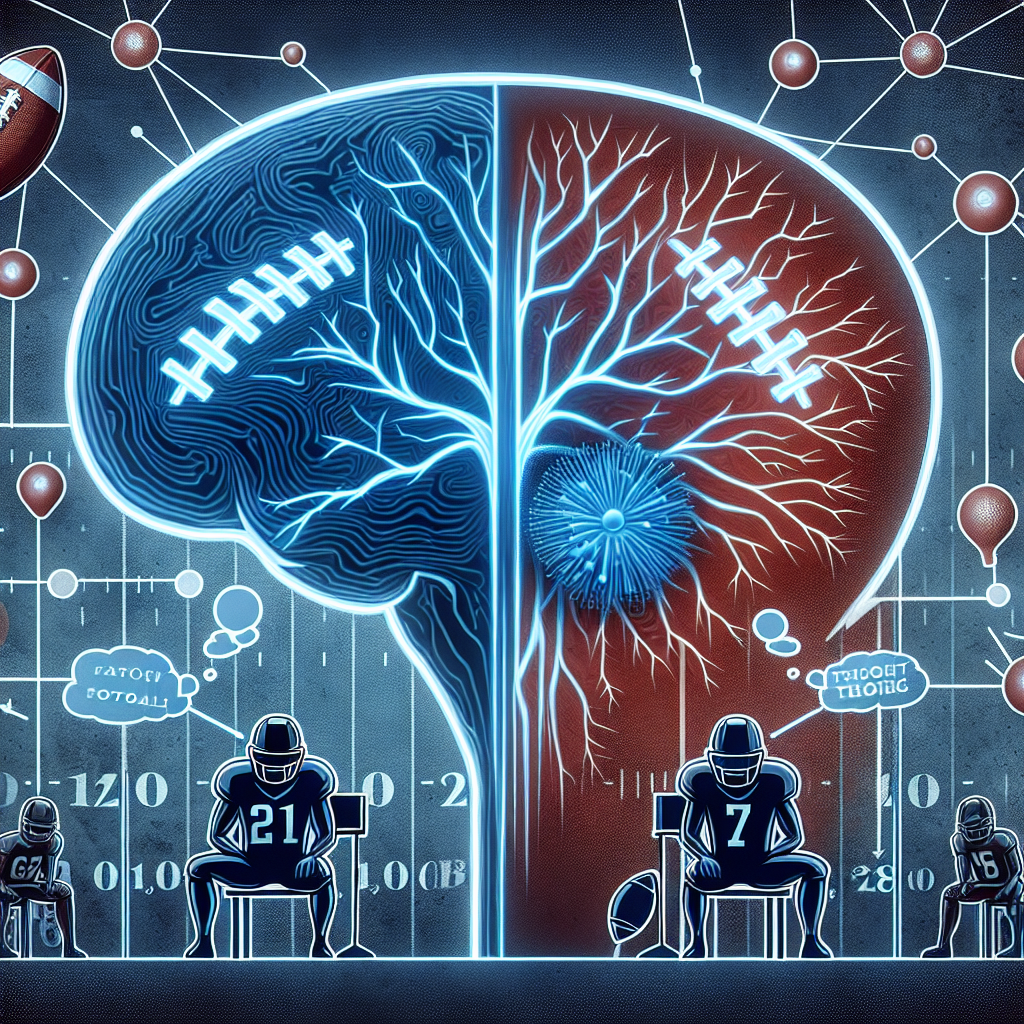
The decision-making process in fantasy football trades is often influenced by a combination of cognitive biases and emotional triggers. One of the primary cognitive biases at play is the “bandwagon effect,” where managers may be swayed by popular opinions rather than objective statistics. For example, if a player is being highly regarded in media discussions, fantasy managers are more likely to trade for them, even if their performance doesn’t justify such a valuation. This tendency can lead to skewed trade evaluations, where managers might chase after players based on hype instead of focusing on measurable outcomes.
Moreover, the “sunk cost fallacy” significantly impacts trade decisions. Fantasy football managers might hold onto struggling players, believing that their previous investment in a player with high draft capital necessitates continued loyalty. This often leads to poor decision-making, as managers may resist trading these underperforming assets for fear of losing out on their initial investment. Understanding these cognitive biases can help managers think critically about their trading strategies and allow them to detach emotionally from their players, ultimately making more rational and beneficial decisions.
The Role of Emotional Intelligence in Trading
Emotional intelligence plays a crucial role in the psychology behind fantasy football trades. Managers who possess high emotional intelligence are better equipped to navigate the complex interpersonal dynamics that arise during trades. These individuals can read their opponents’ emotions and intentions, which can be instrumental during negotiations. Being able to gauge whether an opponent is hesitant, desperate, or confident can give a manager the upper hand when proposing trades. Furthermore, high emotional intelligence allows a manager to manage their own reactions, maintaining composure even when faced with rejection or counteroffers.
Additionally, emotional triggers—both positive and negative—are vital in shaping a manager’s approach to trading. The excitement of acquiring a star player can lead to impulsive decisions, while feelings of frustration with underperforming players can drive managers to hastily execute trades. Those who understand their emotional responses can better regulate their trading behavior, ensuring that feelings do not overly influence their decisions. This self-awareness can lead to more thoughtful, strategic trades, paving the way for a successful season.
The Influence of Group Dynamics on Trades
Group dynamics significantly impact the psychology behind fantasy football trades, especially in leagues comprised of friends, colleagues, or family. Social factors can create a pressure cooker effect where managers feel compelled to conform to group norms. For instance, if several league members are engaging in trades frequently, a manager may feel pressured to participate, regardless of whether it benefits their team. This peer influence can lead to rash trades that may not align with a manager’s actual needs or strategies.
Moreover, competition and camaraderie among league members can further complicate the trading landscape. Some managers may adopt a confrontational stance in negotiations, where the desire to “win” a trade overshadows collaborative opportunities. On the other hand, managers who prioritize relationships often find that building trust within the group leads to better long-term trading outcomes. They may be more open to discussions and willing to engage in trades that benefit both parties. Hence, understanding the nuances of group dynamics is essential for any manager looking to excel in fantasy football trading.
The Importance of Research and Data Analysis in Trade Negotiations
Thorough research and data analysis are critical components in the realm of fantasy football trades. Managers who invest time in analyzing player statistics, injury reports, and matchup advantages are often more successful in negotiating fair trades. By leveraging data analytics, fantasy managers can make informed decisions that are not solely based on emotional reactions or biases. Understanding metrics such as efficiency ratings, target shares, and defensive matchups empowers managers to assess the true value of players and to craft trades that reflect realistic evaluations of performance.
In 2025, the usage of advanced analytics tools has skyrocketed, enabling managers to access a wealth of information that was previously unavailable. Platforms and apps provide insights into player trends, predictive analyses, and even trade calculators that help managers simulate potential trades’ outcomes. Embracing these tools enhances a manager’s ability to create value during negotiations. Not only does solid research build a case for a trade, but it also lends credibility during discussions, which can be incredibly persuasive when pitching a deal to other league members.
Furthermore, staying attuned to trends and changes within the NFL itself—such as player trades, coaching changes, and unexpected breakouts—can give managers the edge they need in their trading strategies. A manager who anticipates changes before they become widespread knowledge can position themselves to make advantageous trades that leverage emerging player values.
Strategies for Successful Fantasy Football Trading
To navigate the complexities of fantasy football trades successfully, managers must develop strategic approaches tailored to their unique league environment. One essential strategy is to create a comprehensive trade plan that outlines potential targets, trading asset valuations, and desired outcomes. Managers should evaluate their team’s strengths and weaknesses to identify theoretical trade needs clearly. Understanding the market value of players based on performance trends and potential upside can help managers not only propose attractive trades but also negotiate confidently.
Moreover, establishing a robust communication channel with league members can create an environment conducive to fruitful negotiations. This can mean engaging in light banter about players, analyzing performance while maintaining a cordial relationship, or outright expressing interest in specific players. This relationship-building can facilitate smoother negotiations by making potential trading partners more receptive to discussions, increasing the likelihood of reaching mutually beneficial deals.
Lastly, patience and timing are critical. Successfully making trades often requires understanding when to hold back and when to pull the trigger. The fantasy football landscape is fluid, and opportunities may arise suddenly as players shine or falter. Managers who remain vigilant and are willing to wait for the right moments can maximize their trading success and elevate their teams in the process.
Conclusion
The psychology behind fantasy football trades is a multifaceted amalgamation of cognitive biases, emotional intelligence, group dynamics, and reliance on data analytics. Understanding these elements can significantly enhance a manager’s ability to trade effectively, pushing them closer to fantasy football glory. From the pressures influenced by social environments to the necessity of thorough research and strategic planning, each aspect plays a crucial role in the complex, exciting world of fantasy football trading. By mastering the psychological facets of trading, managers not only improve their chances of success but also enrich their overall fantasy football experience.
FAQs
What are common cognitive biases affecting fantasy football trades?
Common cognitive biases include the bandwagon effect, where managers favor popular players based on public perception, and the sunk cost fallacy, where they hesitate to trade players they invested heavily in.
How does emotional intelligence impact trading decisions?
Emotional intelligence allows managers to better manage their own feelings and understand others’ emotions, enhancing negotiation skills and improving the likelihood of successful trades.
What resources can I utilize for data analysis in fantasy football?
Fantasy football managers can leverage various resources, including advanced analytics tools, player trend analysis platforms, and trade calculators that provide insights into player valuations and projections.
How important is group dynamics in trading?
Group dynamics can dictate negotiation styles and the proclivity for certain trades. Managers who understand their league’s social environment can navigate trades more effectively.
What strategies can I use to improve my trading success?
Successful strategies include creating a trade plan, effectively communicating with league members, and exercising patience to capitalize on changing player values during the season.