The Unwritten Rules: Sportsmanship and Controversy in MLB

The Unwritten Rules: Sportsmanship and Controversy in MLB
Introduction
Baseball, often described as America’s pastime, is a sport rich in tradition and history, yet it also wrestles with the complexities of unwritten rules that govern its players on the field. In Major League Baseball (MLB), these customs are often intertwined with issues of sportsmanship and controversy, affecting player interactions, team dynamics, and fan perceptions. As the game evolves, particularly in 2025, understanding these unwritten rules is essential for appreciating the intricate dance between respect, competition, and the heated moments that can arise on the diamond.
The Significance of Unwritten Rules in MLB
Unwritten rules in baseball serve as the code of conduct that players are expected to follow, despite the absence of official documentation. These norms often dictate how players should behave in various game situations, from pitching to hitting, and even base running. For example, it’s generally considered bad form for a player to “showboat” after hitting a home run or to attempt to steal a base when leading by a significant margin late in a game. Such actions are often met with backlash from opposing teams, resulting in retaliatory measures that can escalate into conflicts.
The importance of unwritten rules stems from their role in maintaining respect among players. In 2025, with the MLB experiencing unprecedented levels of competitiveness and a surge in younger players entering the league, veteran players and coaches often deliberate on these rules to instill a sense of honor and sportsmanship in their teams. Unwritten rules can serve as a guideline for fair play, ensuring that while players are fiercely competing for victory, they also honor the spirit of the game by maintaining a level of mutual respect.
Sportsmanship: The Heart of Baseball Culture
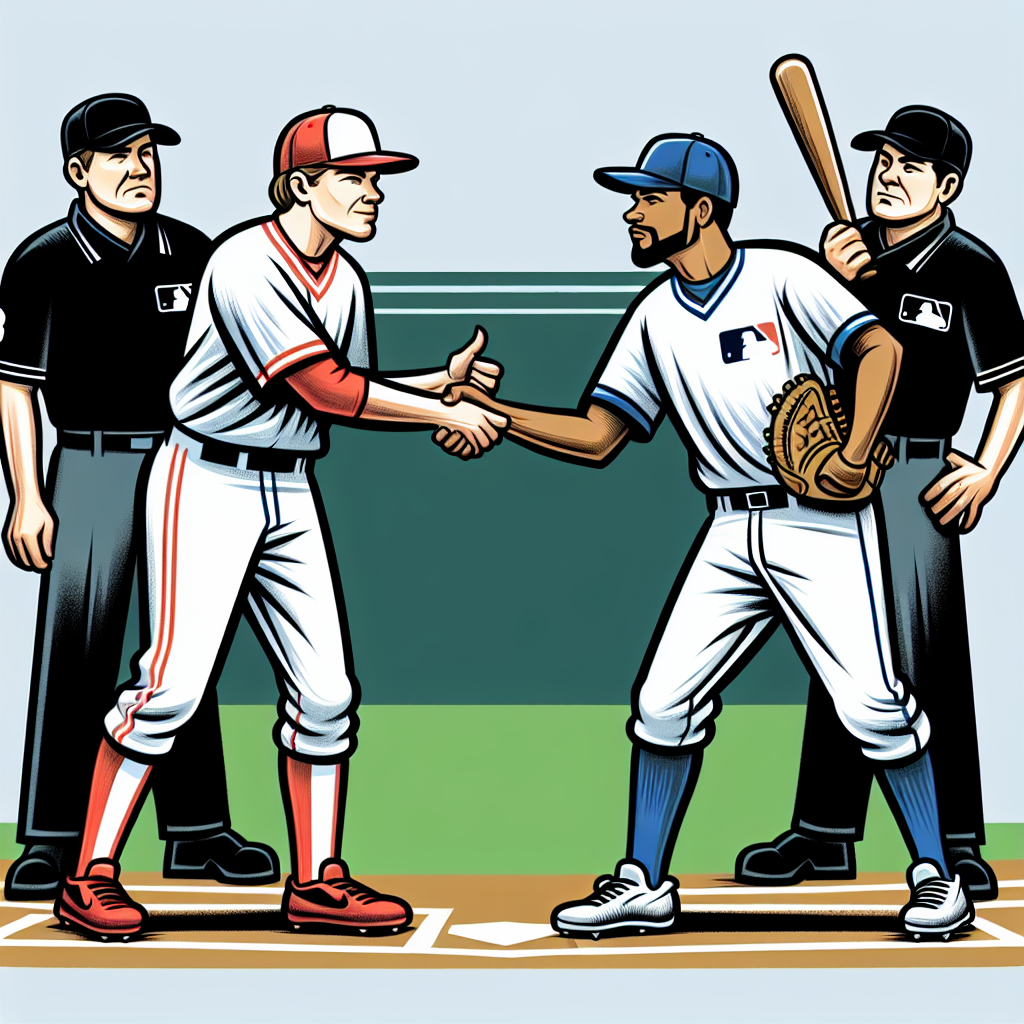
Sportsmanship is the embodiment of fair play, respect for opponents, and graciousness in victory or defeat, which are essential tenets of baseball culture. Over the years, the MLB has seen its share of unsportsmanlike conduct, creating controversy and debates about what is acceptable behavior on the field. As young players take to the field in 2025, the importance of sportsmanship is amplified, particularly with increased media scrutiny following viral moments that capture the essence of a player’s character. This shift in focus places even greater importance on the message that true champions are not just defined by stats, but also by their conduct on the field.
Moreover, the discussion surrounding sportsmanship challenges traditional views within the game. While some argue that aggressive play and competitive spirit are part of the game’s essence, others believe that fostering a culture of respect and understanding is crucial for the MLB’s future. In 2025, teams emphasize the importance of teaching sportsmanship from an early age, embedding these values into their training regimens to ensure that the next generation of players embodies integrity and respect as much as they do skill and performance.
Controversies Surrounding Unwritten Rules
Controversies surrounding unwritten rules often stem from differing interpretations of what constitutes disrespectful behavior. Instances such as bat flips, post-home run celebrations, and excessive celebrations can ignite powerful reactions, impacting the dynamic of the league. High-profile events, such as the 2025 infamously charged home run display during a playoff game, showcased the dichotomy between playful celebrations and perceived arrogance. Such moments lead to heightened emotions and sometimes result in confrontations between players, showcasing a rift in how sportsmanship is viewed across generations.
The MLB has landed at a crossroads with its unwritten rules, as newer generations of players are not inclined to conform to outdated perceptions of humility and restraint. Players like Fernando Tatis Jr. and Ronald Acuña Jr. have become beacons of individuality in baseball, challenging the status quo. This cultural shift has prompted confrontations where defenders of the unwritten rules rally against the influx of “showboating,” arguing it detracts from the game’s traditional values and spirit.
In 2025, the commissioner’s office is increasingly aware of the need to address these controversies directly. With fan engagement at an all-time high and social media platforms amplifying discussions, it’s imperative that the league finds a balance. MLB is now exploring initiatives that focus on education around sportsmanship while allowing for personal expression within the game. By fostering dialogue that includes both sides of the debate, the league seeks to create an environment where competition and respect can coexist harmoniously.
The Role of Coaches and Veteran Leadership
Coaches and veteran players play an indispensable role in passing down the unwritten rules that shape the culture of MLB. Their experience serves as an important guiding force for younger players who may be unaware of these nuances. In 2025, more MLB organizations are recognizing the necessity of bridging the gap between generations to cultivate a cohesive team dynamic that honors tradition while embracing modernity. Coaches are encouraged to have open conversations with players, explaining the consequences of ignoring these unwritten rules and how they can impact both the game and friendships within the sport.
Furthermore, veteran players serve as critical mentors, helping to mold the character of rising stars. With younger athletes showcasing their skills in increasingly bold ways, the challenge lies in guiding them toward a greater understanding of how their behavior affects opponents, teams, and fans alike. Leaders in the clubhouse are tasked with instilling lessons of sportsmanship, emphasizing that every on-field decision reflects not just on the individual, but on the entire organization.
Team-building activities and community engagement play vital roles in this mentorship process. Teams are increasingly focused on painting a holistic picture of sportsmanship that extends beyond the field. By nurturing camaraderie and respect through community service initiatives, teams can help players internalize the importance of humility, teamwork, and ethical behavior. As a result, the conversation around unwritten rules and sportsmanship becomes part of their identity as athletes in the greater context of baseball culture.
The Future of Unwritten Rules and Sportsmanship in MLB
As MLB continues to evolve in 2025, the future of unwritten rules and sportsmanship remains a compelling discussion point. As cultural shifts lead more players to express their individuality, the league will need to reconsider how it approaches these rules. Acceptance of new norms, balancing player expressions while maintaining respect for tradition, will be essential. This delicate balancing act will determine the sport’s role as a modern spectacle while preserving its core values.
The challenge lies in how the MLB promotes an evolving understanding of sportsmanship that acknowledges the diverse influences that shape today’s players. This requires league officials to engage proactively with players, coaches, and fans, creating a shared vision that honors the past while embracing the dynamic nature of modern sports culture. Programs dedicated to educating players about the significance of these unwritten rules will be crucial, equipping them with the tools needed to navigate the sport’s complexities and uphold the integrity of the game.
Through these efforts, MLB can emerge as a beacon of sportsmanship amidst the evolving landscape of athletics. By demonstrating a commitment to balancing tradition with progress, the league can continue to thrive and captivate its audience, ensuring that every game retains its value and celebrates the essence of competition. Ultimately, by refining the unwritten rules and promoting sportsmanship, MLB can pave the way for future generations of athletes who can compete fiercely, yet respectfully.
Conclusion
The unwritten rules of MLB are integral to understanding the intricate interplay of sportsmanship and controversy within the game. As the sport navigates an era of transition, these rules remain essential in maintaining respect among players while allowing for personal expression. The discussions surrounding sportsmanship and the role of veterans in teaching these unwritten codes indicate a rich and evolving culture within baseball. As we move further into 2025, the MLB has a unique opportunity to redefine its narrative, fostering a landscape where competition thrives alongside integrity, ultimately enriching the sport for players and fans alike.
Frequently Asked Questions
What are the unwritten rules of baseball?
Unwritten rules of baseball refer to the implicit codes of conduct that players are expected to follow, which govern etiquette in various situations, such as showing respect towards opponents, celebration norms, and general conduct during games.
Why are unwritten rules important in baseball?
Unwritten rules are vital in preserving the integrity of the game, maintaining respect among players, and fostering an environment that emphasizes sportsmanship. They help guide player behavior and prevent unsportsmanlike conduct during competition.
How has the perception of unwritten rules changed over time?
Traditionally, unwritten rules have emphasized a culture of humility and restraint. However, with the emergence of more expressive players in recent years, particularly in 2025, perceptions are shifting toward a more inclusive understanding that balances competition and individual expressions of skill.
What role do coaches play in teaching unwritten rules?
Coaches serve as critical mentors in instilling the unwritten rules within their teams. They provide guidance and context, helping players understand the cultural significance of these rules while fostering a team environment that promotes respect and sportsmanship.
How can MLB address controversies surrounding unwritten rules?
MLB can address these controversies by promoting open dialogues among players, coaches, and fans while integrating educational initiatives that focus on sportsmanship. By acknowledging various perspectives, the league can navigate the evolving landscape of player expression while preserving the essential values of the game.