Understanding Bias in Sports Commentary
Understanding Bias in Sports Commentary
In the dynamic landscape of sports commentary, bias can significantly influence public perception and the viewer’s experience. This article delves into the pervasive issue of bias in sports commentary, exploring its types, impacts, and ways to discern it. With the sports industry continually evolving, especially as we approach 2025, understanding the subtleties of commentary bias is vital for fans, analysts, and aspiring commentators alike. Through this comprehensive overview, we will unravel how bias manifests in sports discourse and its implications on fans and athletes.
The Nature of Bias in Sports Commentary
Bias in sports commentary is not a new phenomenon; however, its visibility and ramifications have amplified in recent years, especially with the advent of social media. At its core, bias refers to a disproportionate emphasis on specific teams, players, or narratives, often leading to a skewed perspective. Sports commentators, analysts, and journalists can unintentionally or intentionally exhibit bias based on various factors, including personal preferences, affiliations, and commercial interests. For instance, a commentator with strong ties to a particular team may display partiality in their analysis, making it challenging for viewers to receive an objective assessment of the game.
Furthermore, the influence of audience expectations cannot be understated. Many commentators cater to specific fan demographics, which can exacerbate bias in their reporting. In 2025, the rise of team-centric streaming services allows viewers to select commentators who align with their preferences, often echoing their sentiments and thus reinforcing existing biases rather than challenging them. The interplay between personal allegiance and professional critique underscores the complexity of maintaining impartiality in sports commentary.
Types of Bias Found in Sports Commentary
There are several types of bias that are commonly observed in sports commentary. One prevalent form is confirmation bias, where commentators favor information that supports their pre-existing views while dismissing contrary evidence. This can manifest during heated rivalries or when a favorite player is under scrutiny. A commentator might highlight a player’s strengths while downplaying significant weaknesses, offering a skewed version of the athlete’s performance that aligns with their narrative.
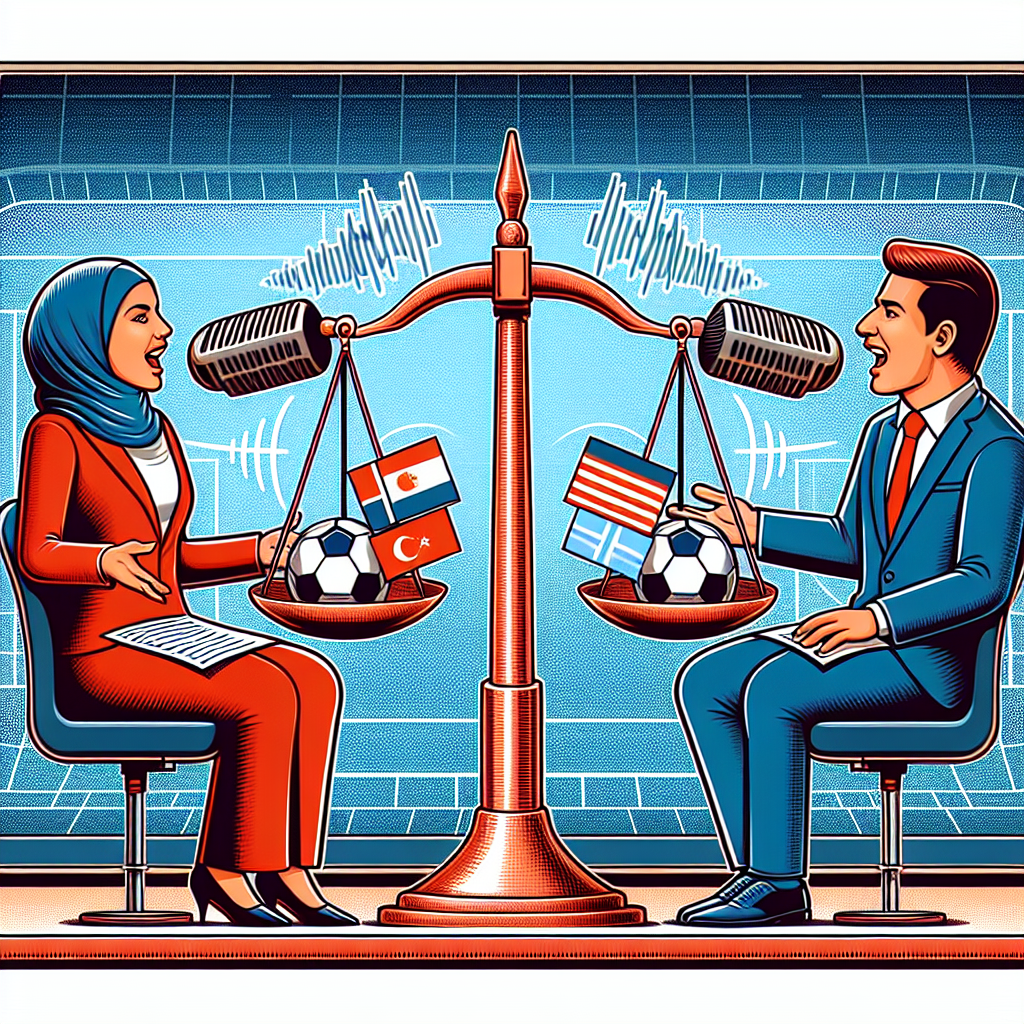
Another widespread bias is hometown bias, where local commentators prioritize their city’s teams and athletes above others. This bias is especially pronounced during regional broadcasts, where listeners expect a level of favoritism and emotional attachment to their local teams. In the context of 2025, where more localized broadcasting options are available, this bias can shape fan perception significantly, crafting a narrative that elevates local teams at the expense of a more holistic understanding of the league.
Impact of Bias on Viewers and the Sports Narrative
The impact of bias in sports commentary extends beyond the immediate context of a game or event. For viewers, biased commentary can distort the truth, leading to misinformed opinions about teams and players. Fans who consume biased information regularly might form fanatical perspectives that are not grounded in objective viewing, creating echo chambers where only favorable viewpoints are circulated. This phenomenon can influence social media discussions, fan forums, and even critical analyses in mainstream media, solidifying a distorted narrative about certain teams or athletes.
Moreover, the implications of bias also stretch to the athletes themselves. Players and coaches are often acutely aware of how their performance is critiqued in commentary, and biased reporting can affect their public image, mental health, and even career trajectories. For example, a player experiencing a rough patch may face disproportionate criticism fueled by commentator bias, leading to undue pressure and negative repercussions on their overall performance. As we navigate 2025’s sports landscape, the stakes of this bias become increasingly apparent, with discussions surrounding athlete mental health continuing to gain traction in the industry.
Recognizing and Mitigating Bias in Sports Commentary
Recognizing bias in sports commentary is essential for fans seeking a more comprehensive understanding of the game. Awareness begins with critical consumption of media. Viewers must develop skills to evaluate commentaries not just for their content but also for the underlying biases that may skew information. Engaging with a variety of commentators and sources can help mitigate the effects of bias, providing a broader view of the sporting events and respective narratives. Fans are encouraged to seek out diverse perspectives, including international broadcasts, independent analysts, and statistical breakdowns, which can offer a balanced view.
In addition, sports organizations and media outlets can play a role in mitigating bias by promoting diversity in commentary teams and ensuring a mix of viewpoints. In 2025, as digital platforms increasingly democratize content creation, having diverse voices in commentary can enrich the conversation and counteract prevalent biases. Broadcasters are tasked with the challenge of balancing commercial interests with ethical responsibilities. By providing a more trustworthy and balanced commentary experience, they can enhance viewer engagement and foster a more passionate and informed fanbase.
The Future of Sports Commentary in an Era of Bias Awareness
As we move further into 2025, the sports commentary landscape is entering an era defined by increased awareness of bias. Technology plays a pivotal role in this evolution, with advanced analytics providing real-time data that can help neutralize biases. For instance, AI-driven commentary tools can analyze player performance objectively and deliver unbiased insights during broadcasts. The infusion of technology enables a shift from traditional commentary methods to more engaging and data-informed narratives, which cater to newer generations of fans who crave authenticity and transparency.
Furthermore, the rise of popular platforms dedicated to sports psychology and analytics fosters discussions that challenge biased narratives. As audiences become more discerning and demand higher standards from commentators, those who fail to adapt may find themselves sidelined. Commentators who embrace this shift and work towards neutral reporting can cultivate a loyal fanbase and contribute positively to the sports community’s evolution. As conversations around bias and representation gain momentum, the future of sports commentary holds promise for a richer, more varied dialogue that encourages informed opinions while celebrating the intricate narratives of sports.
Conclusion
Understanding bias in sports commentary is essential for both audiences and commentators in our evolving sports landscape. As we explore the nature and types of bias, we unveil its profound impacts on viewers and the narratives around teams and athletes. Recognizing and mitigating bias is paramount, paving the way for more authentic and balanced commentary. With advancements in technology and a focus on diverse perspectives, the future of sports commentary looks promising, encouraging fairer and richer dialogues within the sports community. As we step further into 2025, engaging with sports commentary through a critical lens will empower fans and elevate the integrity of sports storytelling.
FAQs
What is bias in sports commentary?
Bias in sports commentary refers to the favoritism or disproportionate emphasis commentators place on specific teams, players, or narratives, which can distort the objective assessment of sporting events.
How does bias affect sports fans?
Bias can lead to misinformed opinions among fans, create echo chambers of information, and distort the public perception of athletes and teams, potentially impacting their reputations.
What are some common types of bias in sports commentary?
Common types of bias include confirmation bias, where commentators favor information that supports their views, and hometown bias, where local commentators prioritize their city’s teams.
How can viewers recognize bias in commentary?
Viewers can recognize bias by critically analyzing different sources, seeking a variety of perspectives, and being aware of the commentators’ affiliations and backgrounds.
What steps can organizations take to mitigate bias in sports commentary?
Organizations can promote diversity within commentary teams, ensure varied viewpoints in broadcasts, and embrace technology that provides objective analysis to create a more balanced commentary environment.