Understanding the Science of Muscle Growth in Sports
Introduction
Muscle growth, or hypertrophy, is a fundamental concept in sports science that plays a pivotal role in enhancing athletic performance. Understanding the science of muscle growth in sports can empower athletes and trainers alike to design effective training programs that yield optimal results. In 2025, advancements in sports science, nutrition, and training methodologies have provided deeper insights into how muscle fibers develop and respond to various stimuli. This article delves into the intricate mechanisms of muscle growth, highlighting important factors such as resistance training, nutrition, recovery, and the role of genetics while offering actionable strategies for athletes at all levels.
Understanding Muscle Mechanics in Sports
Muscle growth occurs primarily through a process called hypertrophy, which can be defined as an increase in the size of muscle fibers. This process is significantly influenced by two main types of muscle fibers: Type I (slow-twitch) and Type II (fast-twitch) fibers. While Type I fibers are more resistant to fatigue and are often recruited during endurance activities, Type II fibers produce more force and are pivotal in high-intensity efforts, such as sprinting or weightlifting. For athletes, understanding the balance between these fiber types is essential, as it informs training methodologies tailored to specific sports demands.
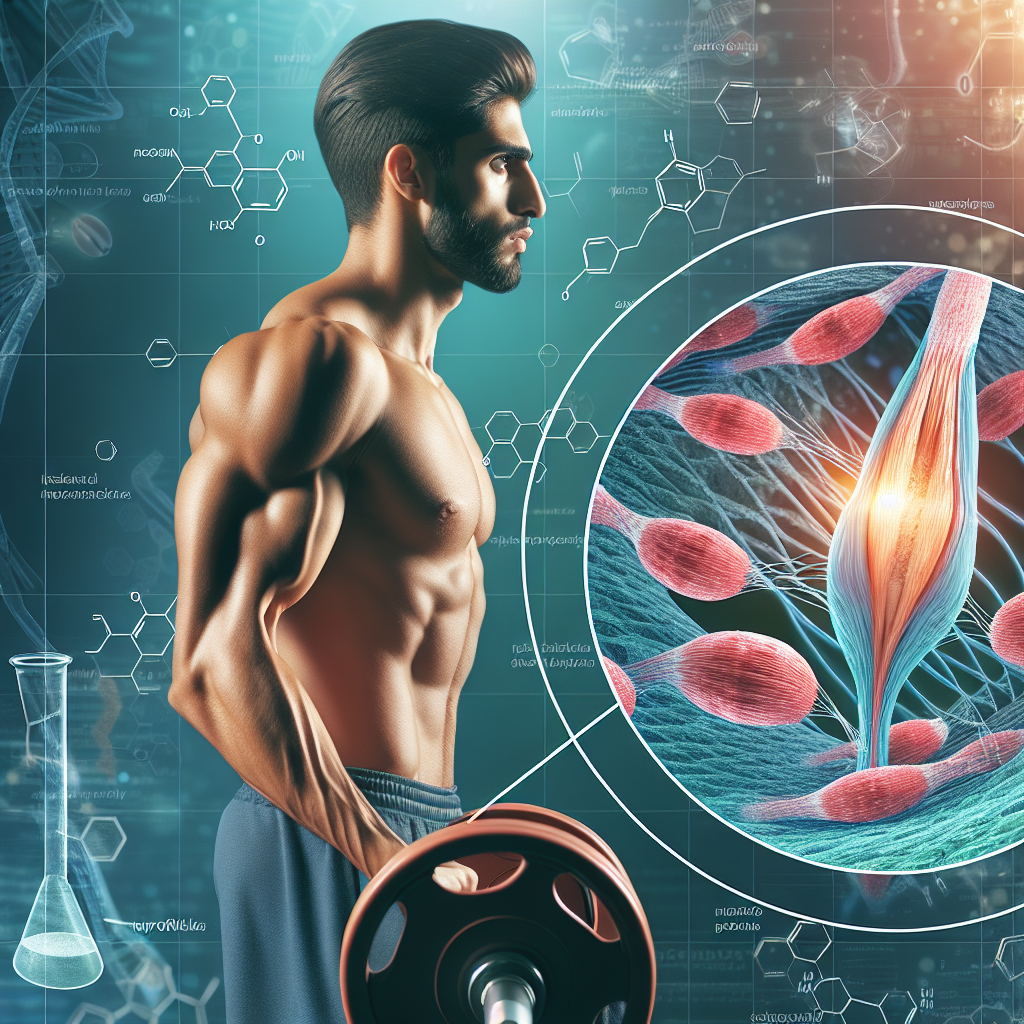
The mechanical tension placed on muscles during resistance training is a crucial factor for promoting hypertrophy. When muscles experience tension, tiny micro-tears occur in the muscle fibers. The body then initiates a repair process that not only heals these microtears but also makes the muscles stronger and larger than before. This principle underscores the importance of progressive overload—gradually increasing weights or resistance in training—to continually challenge the muscles and stimulate growth. Therefore, athletes must incorporate well-structured resistance training programs that progressively enhance workload to optimize muscle development.
The Role of Nutrition in Muscle Growth
Nutrition is a cornerstone of muscle growth, offering the necessary fuel and building blocks to support recovery and hypertrophy. A well-balanced diet rich in protein, carbohydrates, and healthy fats plays a crucial role in an athlete’s ability to build muscle effectively. Protein, in particular, is vital for muscle repair and development. In 2025, nutritionists emphasize the importance of personalized protein intake based on individual goals, body weight, and training intensity. Athletes are advised to consume around 1.6 to 2.2 grams of protein per kilogram of body weight daily, depending on their training regimen.
Beyond protein, carbohydrates also play a significant role in muscle growth. They are the primary energy source during high-intensity workouts, replenishing glycogen stores that fuel performance. Adequate carbohydrate intake post-exercise is crucial for optimizing recovery and ensuring that the body has the energy required for subsequent training sessions. As sports nutrition advances, it is increasingly recognized that pre- and post-workout nutrition strategies can profoundly affect muscle recovery and growth, making them integral components of any effective training program.
Recovery Techniques for Optimal Muscle Growth
Recovery is often overlooked but is an essential part of the muscle growth process. After intense training sessions, muscles need adequate time to recover and repair. Neglecting recovery can lead to overtraining, injury, and stunted muscle growth. In 2025, athletes and coaches are increasingly aware of innovative recovery techniques such as active recovery, cold therapy, and even advanced technology like cryotherapy and compression garments designed to enhance recovery efficiency.
Sleep is another critical component of recovery that is gaining recognition for its profound impact on muscle growth. During deep sleep, the body releases growth hormone, essential for muscle repair and regeneration. Athletes are advised to prioritize quality sleep, targeting at least 7 to 9 hours per night, to optimize their recovery process. Sleep hygiene practices, such as maintaining a consistent sleep schedule and creating a restful sleep environment, play a significant role in maximizing the benefits of sleep for muscle growth.
Furthermore, incorporating rest days and deload weeks in a training program can aid in muscle recovery and growth. These strategies allow muscles to recover adequately while preventing mental and physical burnout. This careful balancing act between training stress and recovery is crucial in the quest for increased strength and muscle size.
The Impact of Genetics on Muscle Growth
Genetics undeniably plays a role in an individual’s potential for muscle growth. Specific genetic factors influence muscle fiber composition, hormonal profiles, and even recovery capabilities. For instance, individuals with a predominance of fast-twitch muscle fibers may have a greater innate ability for muscle hypertrophy, essential for strength and power sports. Conversely, those with a higher proportion of slow-twitch fibers might excel in endurance events. In 2025, advancements in genomic research have allowed trainers to better understand these individual differences, leading to more personalized training and nutrition strategies.
Moreover, hormones such as testosterone, growth hormone, and insulin-like growth factor 1 (IGF-1) are pivotal in muscle development. These hormones significantly influence the rate at which muscles adapt and grow in response to training. While individuals can influence their hormonal environments through lifestyle choices such as diet and exercise, some genetic predispositions remain fixed. This understanding has led to tailored approaches where athletes can optimize their training and recovery strategies to align with their genetic profiles.
Understanding the interplay between genetics and muscle growth is critical for athletes, as it fosters a greater appreciation for individual differences in training response. Genetic testing, now more accessible than ever in 2025, allows athletes to devise training regimens that capitalize on their unique strengths and mitigate weaknesses, leading to more effective and personalized muscle growth strategies.
Integrating Technology into Muscle Growth Strategies
In 2025, technology has revolutionized the way athletes approach training and muscle growth. Wearable devices and mobile applications allow athletes to track their workouts, monitor their heart rates, and analyze their recovery metrics in real time. This wealth of data can inform training decisions, ensuring that athletes are training effectively while minimizing the risk of injury. By monitoring variables such as volume, intensity, and frequency of workouts, athletes can adjust their training loads according to their individual recovery rates, leading to an optimized muscle growth process.
Furthermore, virtual and augmented reality tools facilitate immersive training experiences, enabling athletes to visualize their workouts and focus on proper form. Enhanced biofeedback systems provide immediate insights into muscle activation patterns, helping athletes fine-tune their techniques for greater efficiency and effectiveness. This innovative use of technology not only aids in better understanding muscle mechanics but also enhances the mental aspect of training, which is crucial for achieving peak performance and hypertrophy.
Nutritional technology has also evolved, with advancements in supplementation providing athletes with tailored options to support muscle growth. Research into specific amino acids, peptides, and performance enhancers continues to evolve, providing athletes with evidence-based tools to optimize their hypertrophy outcomes. As more data emerges, athletes can make informed decisions about supplementation, further driving progress in muscle development.
Conclusion
Understanding the science of muscle growth in sports is critical for athletes and coaches aiming to maximize performance and achieve peak physical potential. By exploring the mechanisms of muscle hypertrophy, the essential role of nutrition, effective recovery strategies, the influence of genetics, and the integration of technology, athletes can optimize their training programs and foster their growth effectively. As we move further into 2025, the continual advancements in sports science suggest that knowledge surrounding muscle growth will only expand, offering athletes greater resources to achieve their goals.
FAQs
What is muscle hypertrophy?
Muscle hypertrophy refers to the increase in the size of muscle fibers, primarily stimulated through resistance training and adequate nutrition. It is a crucial component for enhancing athletic performance in various sports.
How important is nutrition for muscle growth?
Nutrition is vital for muscle growth, as it supplies the body with essential nutrients—particularly protein and carbohydrates—needed for repair and recovery after intense training sessions.
Can I build muscle without lifting weights?
Yes, muscle can be built through bodyweight exercises, resistance bands, and other forms of resistance training. Progressive overload and adequate recovery are key factors in any muscle development protocol, regardless of the training method used.
What role does sleep play in muscle recovery?
Sleep is crucial for muscle recovery, as it is during deep sleep that the body releases growth hormones necessary for repairing and regenerating muscle fibers, ultimately aiding in muscle growth.
How does genetics impact muscle growth potential?
Genetics can influence muscle fiber composition and hormonal response to training, which can dictate an individual’s natural ability for muscle growth. Understanding personal genetic predispositions can help tailor training and nutrition for optimal results.