A Global Perspective on Political Corruption: Case Studies from Around the World
Introduction
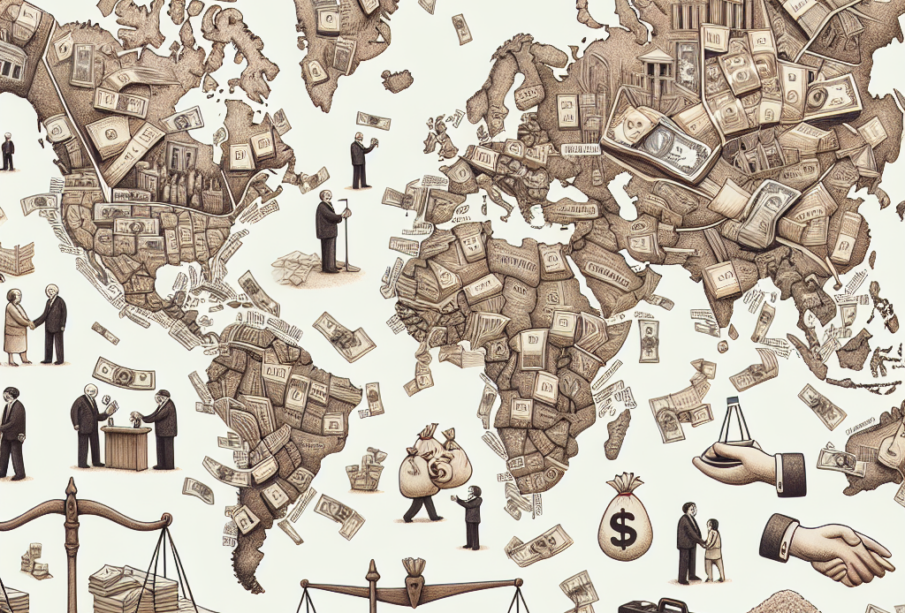
Political corruption remains a pervasive issue across the globe, undermining trust in governance, stalling economic development, and perpetuating social inequality. Understanding political corruption from a global perspective helps reveal patterns, causes, and consequences, enriched by case studies from diverse regions. In this article, we delve into the intricacies of political corruption worldwide, examining various case studies and highlighting the necessity for transparency and accountability in governance. We aim to foster a broader conversation about reform and the potent role of citizens in combating this global scourge.
Understanding Political Corruption: Definitions and Implications
Political corruption can be defined as the abuse of power by government officials for illegitimate private gain. This phenomenon often manifests in various forms, including bribery, embezzlement, favoritism, and nepotism. The implications of political corruption are far-reaching; it not only impedes economic growth but also erodes public trust in government institutions. Citizens begin to feel disillusioned, leading to social unrest and political instability. Reports indicate that in 2025, an estimated $600 billion is lost annually to corruption worldwide, emphasizing the urgent need to address this issue.
The consequences of political corruption also extend to the socio-economic landscape of nations. Countries with prevalent corruption often face poor public service delivery, substandard infrastructure, and limited access to healthcare and education. As a result, vulnerable populations, including women and children, feel the brunt of these inequities. In contrast, nations with strict anti-corruption measures and transparent governance frameworks, like Nordic countries, tend to enjoy higher levels of social equity and economic development, showcasing the critical role of integrity in public administration.
Regional Woes: Political Corruption in Africa
Africa has been significantly impacted by political corruption, with multiple countries grappling with endemic corruption from local governments to national administrations. A notable case is Nigeria, where systemic corruption has stifled progress despite the country’s vast oil wealth. Reports in 2025 indicate that Nigeria loses around $16 billion annually to corrupt practices within the oil sector alone. The consequences of these corrupt activities have led to widespread poverty and unrest, pressing citizens to demand accountability and reform.
In contrast, a beacon of hope has emerged from countries like Rwanda, where the government has implemented stringent anti-corruption measures. By prioritizing transparency and accountability, Rwanda has reduced corruption levels significantly over the past decade, attracting foreign investment and spurring economic growth. Nonetheless, the persistence of corruption in African nations remains a pressing concern, calling for collaborative efforts both regionally and globally to promote good governance and civil society involvement.
Asia’s Struggle with Corruption: Case Studies from India and China
In Asia, the issue of political corruption is starkly illustrated by the experiences of two major countries: India and China. India has long battled corruption at various administrative levels, with staggering sums being siphoned off in bribes and kickbacks. Recent findings from 2025 suggest that the Indian economy loses approximately $60 billion annually due to corrupt practices, especially in sectors such as public works and healthcare. The government’s response has included initiatives like the Digital India campaign aimed at improving transparency through technology, yet challenges remain entrenched in the system.
In China, the situation presents a different narrative. The Chinese Communist Party, under President Xi Jinping, has instated an aggressive anti-corruption campaign targeting both lower and higher echelons of government. Despite successfully prosecuting numerous high-profile officials, critics argue that systemic corruption still persists due to a lack of political pluralism and accountability mechanisms. In 2025, discussions surrounding the complexity of governance in China have become focal, highlighting the balance between authoritarian control and the people’s demand for transparency and justice.
Corruption in the Americas: A Tale of Two Countries
Political corruption in the Americas presents a rich tapestry of conflicts and reforms. In Venezuela, the government’s widespread corruption is intricately linked to the ongoing political and economic crises. By the year 2025, Venezuela’s economy has been decimated by corrupt mismanagement of oil revenues, with estimates suggesting over $30 billion has been embezzled in the last five years. International sanctions have been imposed in response to allegations of corruption and human rights violations, leaving citizens in dire straits, suffering from shortages of food and medical supplies.
On the other hand, Mexico has also been grappling with political corruption, especially within the drug war’s context. Drug cartels have infiltrated governmental institutions, corrupting law enforcement and judicial branches. However, recent reforms aimed at promoting transparency and citizen engagement have emerged as vital steps toward combating corruption. The government of President Andrés Manuel López Obrador, as of 2025, has undertaken significant measures to foster accountability, demonstrating the potential for progress through active civil participation and reform-minded policies.
Corruption and the European Landscape: The Cases of Eastern and Western Europe
While Western European countries generally enjoy lower corruption levels, issues remain in Eastern Europe. A stark example is Ukraine, where ongoing conflicts and political instability have exacerbated corruption at multiple governance levels. The 2025 “Transparency International Corruption Index” highlights Ukraine as one of the most corrupt countries in Europe, with systemic bribery and the theft of state funds plaguing its institutions. The country is at a crucial crossroads, with citizens increasingly pushing for reforms that promote transparency and accountability in both governmental and private sectors.
In Western Europe, countries such as Italy and Greece have struggled with corruption, despite their more robust governance structures. In Italy, the legacy of historical corruption linked to organized crime continues to pose challenges. However, initiatives aimed at strengthening anti-corruption laws and increasing governmental transparency show promise. Conversely, Greece has made strides, particularly following the debt crisis, which revealed massive inefficiencies and illicit practices within governance. By 2025, the Greek government has focused on corruption prevention programs, emphasizing the importance of a transparent public sector.
Global Reforms: The Fight Against Political Corruption
In response to the global rise of political corruption, multiple organizations and countries are collaborating on initiatives aimed at combating this crisis. The United Nations, through its Sustainable Development Goals (SDGs), places significant emphasis on building effective, accountable institutions at all levels. By fostering international cooperation, the UN has sought to create frameworks for accountability, encouraging nations to share best practices and implement anti-corruption measures.
Furthermore, technology plays a pivotal role in the fight against corruption, with innovations in e-governance streamlining processes and increasing transparency. Blockchain technology is being employed in various countries to ensure traceability and accountability in public transactions. Governments are increasingly prioritizing open data initiatives, enabling citizens to access information that promotes oversight and encourages civic engagement. These technological advancements are crucial as we move toward a future combating corruption.
Lastly, civil society organizations continue to lead advocacy efforts in holding governments accountable. Grassroots movements across the globe are mobilizing citizens to challenge corruption and demand transparency from their leaders. Initiatives like #MeToo in various contexts have illustrated how collective action can lead to significant change in governance. It’s imperative that these movements gain momentum, raising awareness and empowering citizens to become catalysts for reforms.
Conclusion
Political corruption affects nations worldwide, impeding economic growth and perpetuating social inequalities. The case studies presented reveal the complexity of this global issue, demonstrating that while corruption is profound, civil society engagement, technological innovations, and international cooperation can contribute to meaningful reforms. As we move forward into 2025 and beyond, continued vigilance and action from both citizens and governments are essential to combat corruption, restoring trust in public institutions and promoting equitable growth.
Frequently Asked Questions
What is political corruption?
Political corruption refers to the abuse of power by government officials for private gain, manifesting in various forms such as bribery and embezzlement.
How does political corruption affect economic growth?
Political corruption hampers economic growth by diminishing public trust, inhibiting investments, and leading to misallocation of resources, thus affecting socioeconomic development.
What are the most corrupt countries in the world as of 2025?
As of 2025, findings from the “Transparency International Corruption Index” highlight countries like North Korea, Somalia, and Venezuela among the most corrupt, facing significant governance challenges.
What role does technology play in fighting corruption?
Technology facilitates transparency through e-governance, blockchain for transaction traceability, and open data initiatives, empowering citizens to hold governments accountable and advocate for reforms.
Can citizen engagement reduce political corruption?
Yes, active citizen engagement and advocacy can mitigate political corruption by demanding accountability, promoting transparency, and mobilizing grassroots movements for reform.