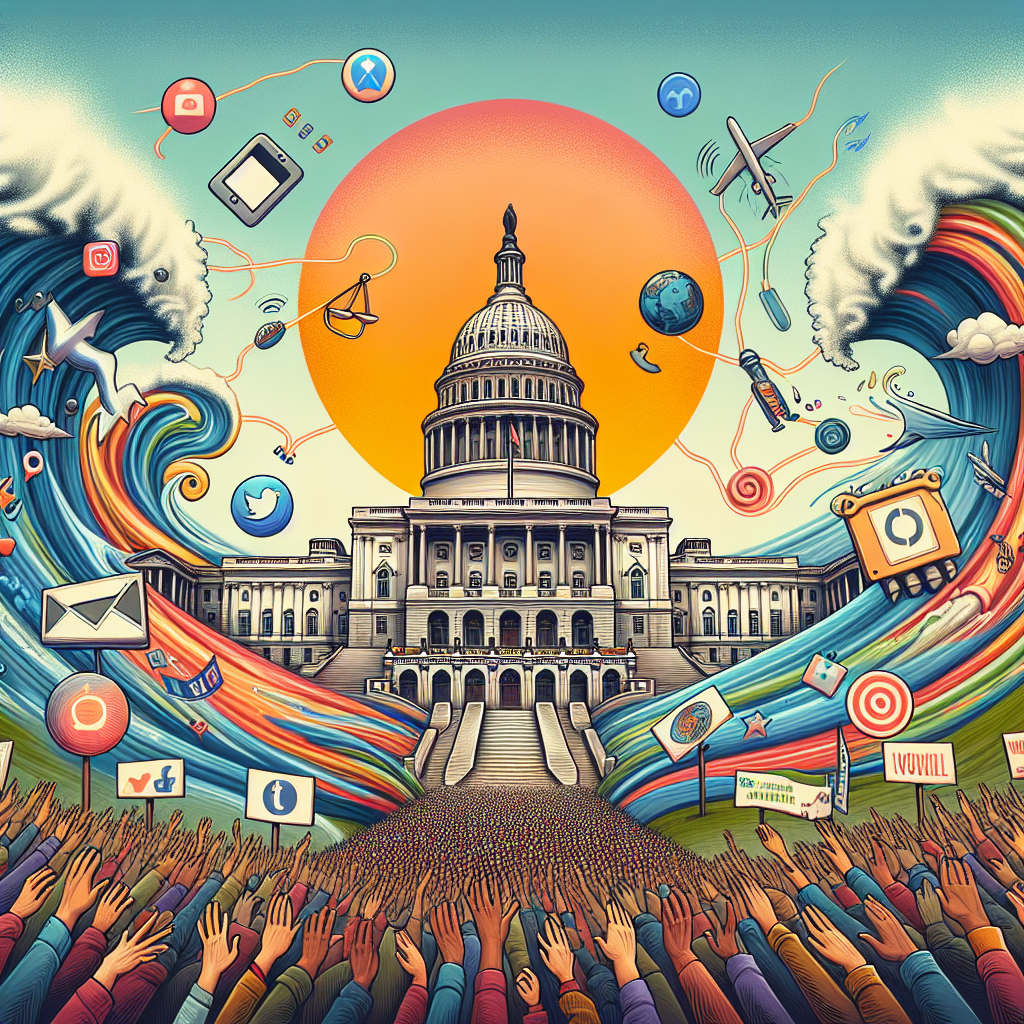
Balancing Objectivity and Advocacy in Political Reporting

Introduction
In today’s rapidly evolving political landscape, the challenge of balancing objectivity and advocacy in political reporting has never been more significant. With the advent of social media, the rise of partisan news outlets, and the increasing polarization of society, journalists face immense pressure to present their reports in a manner that not only informs but also engages and persuades their audience. This article delves deep into the complexities of political reporting in 2025, examining the critical need for journalists to navigate the fine line between impartiality and advocacy while delivering truthful and impactful narratives.
The Importance of Objectivity in Political Reporting
Objectivity serves as the cornerstone of journalism, particularly in the realm of political reporting. In 2025, as diverse narratives vie for attention, it is imperative that journalists adhere to impartiality to maintain credibility with their audience. Objectivity allows reporters to present facts without bias, giving citizens the essential information needed to form their own opinions. This is increasingly crucial in an age where misinformation can spread like wildfire through social media channels, leading to misguided beliefs and divisive rhetoric.
Moreover, objectivity fosters trust between the media and the public. In recent years, polls have shown a significant decline in public trust in the media, with many people asserting that news outlets prioritize sensationalism over truth. By committing to objectivity, journalists can bolster their integrity and regain the faith of their audience. A report published by the Pew Research Center in 2025 emphasizes that transparency and factual reporting are vital for restoring public trust, illustrating the growing demand for responsible journalism in a fractured media environment.
Advocacy: A Double-Edged Sword
The role of advocacy in political reporting can be seen as a double-edged sword—while it can empower marginalized voices and bring about social change, it can also contribute to further polarization within the public discourse. In 2025, many political journalists have taken on the mantle of advocacy by highlighting causes and issues that resonate with specific demographics. This shift has brought attention to critical topics, including climate change, racial justice, and economic inequality. Nevertheless, when journalists engage in advocacy, the risk of losing objectivity looms large.
When advocacy overshadows its primary responsibility to inform, the credibility of reporting can suffer. Audiences may begin to view news outlets not as impartial observers but as political advocates with specific agendas. As journalists grapple with this tension, they must strike a mindful balance, ensuring that their reporting inspires action without sacrificing informative integrity. This balancing act is essential in a media landscape where diverse perspectives must be represented without compromising factual accuracy.
The Evolving Role of Social Media in Political Reporting
In 2025, social media has revolutionized the way political news is disseminated and consumed. Platforms like Twitter, Facebook, and TikTok not only provide a space for traditional reporting but also allow individuals, activists, and organizations to share their perspectives. This democratization of information has amplified voices that might otherwise remain unheard, contributing to a more vibrant political discourse. However, social media can also catalyze the spread of misinformation and create echo chambers, further complicating the task of political reporters who aim to balance objectivity and advocacy.
As journalists navigate this landscape, they must adopt innovative approaches to utilize social media effectively. Monitoring trending topics, engaging with audiences, and promoting fact-checking initiatives are all components of integrating digital platforms into political reporting. Journalists can use social media to solicit community input, fostering a sense of collaboration that enriches their reporting. By marrying traditional journalism principles with modern media practices, journalists can further balance objectivity and advocacy in their storytelling.
Moreover, the impact of algorithms cannot be understated. Social media platforms often prioritize content that generates high engagement, which may lead users toward sensationalized or biased reporting. Journalists must be vigilant in ensuring that their content not only stands out but also adheres to ethical reporting standards. Presenting well-researched facts alongside compelling narratives can help maintain objectivity even within advocacy frameworks, ensuring that audiences receive a comprehensive view of political developments.
Editorial Integrity: The Role of Media Organizations
Media organizations play a crucial role in ensuring that their reporters maintain editorial integrity while balancing advocacy and objectivity. With the growing trend of “news with a cause,” news organizations in 2025 are increasingly adopting ethical guidelines and editorial standards that encourage their journalists to engage in advocacy while fulfilling their obligation to deliver factual reporting. These guidelines should address potential conflicts of interest, emphasizing the importance of transparency in both reporting and advocacy efforts.
Moreover, media organizations can foster a culture where journalists feel empowered to seek the truth, regardless of the political consequences. Providing professional development opportunities that emphasize the ethics of journalism, the importance of ground reporting, and the scrutiny of political narratives can further encourage journalists to be both advocates for their communities and protectors of public trust. Additionally, media organizations must be open to critiques of their reporting, which can help refine their practices and improve accountability.
Strategically framing political issues is another way that media organizations can promote a balanced approach. By inviting experts, opinions across the political spectrum, and a variety of community voices into discussions, news outlets can contextualize reporting in a way that fosters nuanced understanding rather than simplistic narratives. When media organizations allow for cross-disciplinary conversations, they create a platform for rigorous debate, ultimately enriching political discourse and maintaining their commitment to objectivity.
Future Trends in Political Reporting: Navigating Complex Nuances
As we look to the future of political reporting in 2025 and beyond, several trends are emerging that will influence how journalists strike a balance between objectivity and advocacy. One significant trend is the rise of independent journalism and freelance reporting. Many journalists are choosing to work independently or within smaller media startups that prioritize investigative reporting and community-centered approaches. Such models often allow more flexibility in addressing pressing issues that impact society while maintaining a commitment to factual reporting.
Furthermore, Artificial Intelligence (AI) is transforming political journalism by automating certain aspects of reporting, data analysis, and fact-checking. While AI has the potential to improve efficiency and enhance the accuracy of reporting, it also raises questions about ethical considerations and the loss of human intuition. Journalists will need to navigate this landscape carefully, integrating AI technologies without compromising the core elements of human-centered reporting that foster trust and authenticity in the media.
Finally, with societal polarization continuing to rise, journalists will face an increasing demand for creative and ethical storytelling. Enabling diverse narratives and showcasing collaborative solutions that transcend political divides can contribute to more constructive discourse. As the challenges within political reporting evolve, so too must the strategies journalists employ to navigate objectivity and advocacy effectively. Embracing a multidisciplinary approach that integrates sociology, psychology, and communication studies will enrich journalism, leading to stories that not only inform but unite.
Conclusion
Balancing objectivity and advocacy in political reporting is a complex challenge that requires journalists to navigate an ever-evolving landscape. By embracing the principles of impartiality, understanding the role of advocacy, leveraging social media effectively, adhering to editorial integrity, and anticipating future trends, journalists can produce compelling and responsible political narratives. As we continue to confront the realities of misinformation and societal division, the commitment to ethical and thoughtful reporting will be crucial to fostering meaningful dialogue in our democratic society.
FAQs Section
What does objectivity mean in political reporting?
Objectivity in political reporting refers to the practice of presenting news and information without bias or personal opinion. It involves the careful verification of facts and the inclusion of multiple perspectives to provide a balanced view of events.
How can journalists maintain objectivity while advocating for issues?
Journalists can maintain objectivity while advocating by clearly distinguishing between factual reporting and opinion pieces. They can also adhere to ethical standards, seek diverse viewpoints, and use transparent methodologies in their reporting.
In what ways has social media impacted political reporting?
Social media has transformed political reporting by enabling real-time news dissemination and amplifying diverse voices. However, it also poses challenges like the spread of misinformation and the creation of echo chambers, necessitating a careful approach by journalists.