Gender Dynamics in Political Debates

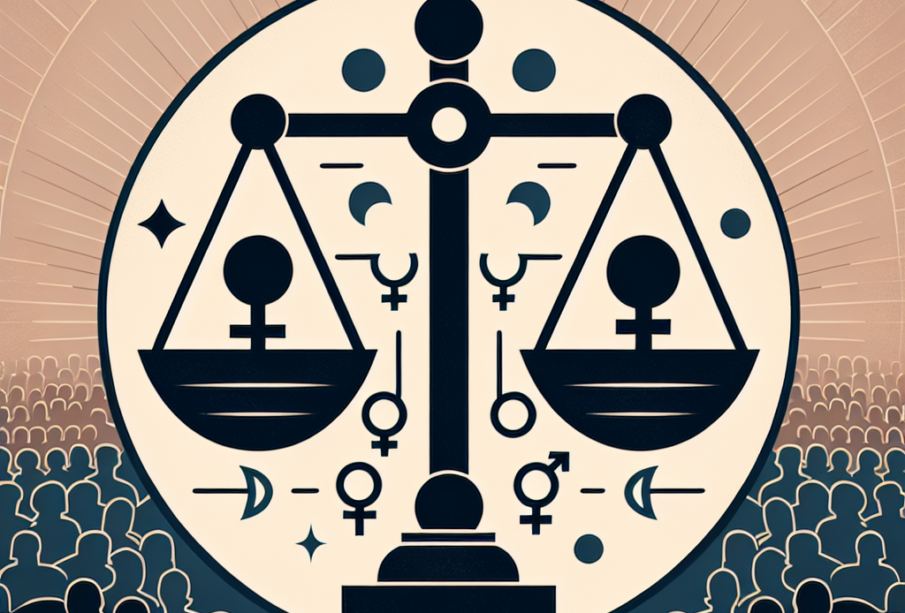
Gender Dynamics in Political Debates: An In-Depth Analysis
In recent years, the role of gender dynamics in political debates has become increasingly significant. As we navigate through challenging political landscapes in 2025, understanding how gender influences debate formats, representation, and audience perception is essential for progress. Gender dynamics not only affect the effectiveness of candidates in conveying their message but also impact voter engagement and perception of leadership. This article explores various dimensions of gender dynamics in political debates, focusing on representation, biases, audience reactions, and strategies for improvement.
The Importance of Gender Representation in Political Debates
The representation of genders in political debates serves as a critical reflection of broader societal values and norms. In 2025, there is a notable increase in female candidates participating in significant elections across the globe. This surge represents progress in gender equality, challenging the historical narrative of male-dominated political spheres. Women in politics are increasingly providing diverse viewpoints, establishing themselves as capable leaders, and addressing issues that affect not just women but entire communities.
Furthermore, gender representation in debates influences how policies are discussed and debated. With women bringing unique perspectives, topics such as reproductive rights, family leave, and gender equity gain prominence. The political landscape is enriched with varied voices, thus making the debates more holistic and relevant to a larger populace. However, representation alone is not sufficient; the manner in which journalists and moderators handle these candidates also needs to evolve to recognize the unique challenges they face.
Media Bias and Its Impact on Gender Dynamics in Political Debates
Media coverage plays a pivotal role in shaping public perception of candidates, especially in the context of gender dynamics in political debates. In 2025, research indicates that female candidates often receive disproportionate scrutiny compared to their male counterparts. Headlines may disproportionately emphasize the personal life of a female candidate or her wardrobe choices, overshadowing her policies and professional qualifications. Such biases not only distort the public’s understanding but also reinforce stereotypes that hinder women’s political participation.
Moreover, moderators in political debates can contribute to these biases, often unwittingly steering discussions in ways that disadvantage female candidates. Studies have shown that women may receive less speaking time and their responses may be interrupted more often. The framing of questions can also differ, with women frequently facing inquiries about their emotions or family commitments, while men are asked to articulate their political agendas. A comprehensive understanding of these biases is essential for fostering support for equitable treatment and paving the way for more balanced debates.
Audience Perception and Gender Dynamics in Debates
The way audiences perceive candidates during political debates is intrinsically linked to gender dynamics. In 2025, findings suggest that audience expectations of candidates are often shaped by traditional gender roles. For instance, male candidates may leverage assertiveness and confidence as virtues, while female candidates are often expected to exhibit warmth and empathy. This dichotomy influences how audience members interpret candidates’ performances, leading to biased evaluations of their competency and effectiveness.
Moreover, the intersection of gender and race further complicates audience perception. Candidates who belong to multiple marginalized demographics may face compounded biases, impacting voter reception in unique ways. For example, women of color might encounter stereotypes that hinder their acceptance, affecting their ability to connect with a diverse voter base. As such, understanding how audience perceptions are influenced by gender dynamics is crucial for both candidates and campaign strategists in creating effective communication strategies.
Strategies for Enhancing Gender Equity in Political Debates
To foster a more equitable environment in political debates, strategic efforts must be made to address and mitigate gender biases. Training debate moderators to recognize and counteract their own biases can significantly impact the overall dynamics of debates. By ensuring that all candidates are given equal opportunities to articulate their points, the integrity of the debate format can be upheld. In 2025, various organizations are actively promoting workshops for moderators to promote best practices in equitable question framing and response evaluation.
Another effective strategy involves the use of technology in analyzing political debates. AI-powered tools can assess dialogue patterns and quantify speaking time to ensure a balanced representation across genders. This data-driven approach can provide valuable insights to candidates and their teams, allowing for adjustments in their strategies and positioning. Additionally, fostering a culture of accountability within media outlets to challenge gender biases in reporting can further create an environment where equitable representation thrives.
The Future of Gender Dynamics in Political Debates
As society continues to evolve, so too must the dynamics of gender within political debates. Looking ahead into the next decade, it is essential to envision a political landscape characterized by equal representation, fair treatment, and diverse voices. Educational programs that emphasize the importance of gender equity in politics are crucial at all levels, encouraging young women to engage with politics and aspire to leadership roles. By nurturing future generations of leaders, we can work towards dismantling the barriers that have historically constrained women’s political participation.
Moreover, as social media becomes an increasingly dominant platform for political discourse, it presents both challenges and opportunities for gender dynamics in debates. While social media can exacerbate biases and harassment towards female candidates, it can also serve as a tool for empowerment, allowing those candidates to reach wider audiences and build supportive communities. The interplay between traditional political arenas and digital platforms will be pivotal in shaping future debates and representation.
In summary, the evolution of gender dynamics in political debates remains a critical area of focus as we advance into 2025 and beyond. While progress has been made, recognizing the continuing challenges and actively working towards solutions will be essential for achieving true equity in political representation.
Conclusion
Understanding gender dynamics in political debates is crucial for creating an inclusive political environment. The importance of gender representation, media bias, audience perception, strategies for improvement, and future directions all highlight the complex framework within which these dynamics operate. By acknowledging and addressing these issues, we can facilitate a political discourse that accurately reflects the diverse perspectives of our society and engages a broader audience.
Frequently Asked Questions
What are the key challenges women face in political debates today?
Women often contend with biases in media coverage, lesser speaking opportunities, and societal expectations that can undermine their performance in political debates.
How can media representation impact female candidates during political debates?
Media representation can skew public perception by focusing on personal attributes rather than professional qualifications, contributing to stereotypes that diminish a candidate’s credibility.
What role does audience perception play in the effectiveness of political debates?
Audience perception is shaped by traditional gender roles, which can result in biased evaluations of candidates based on their gender, impacting voters’ acceptance and decision-making process.
What strategies can be implemented to improve gender equity in political debates?
Enhancing moderation training, utilizing technology for data analysis, and promoting accountability within media organizations can help foster a more equitable debate environment.
How is the future of gender dynamics expected to evolve in political debates?
Future dynamics will likely lean toward greater equity and representation, supported by educational initiatives and the growing influence of social media in political communication.
This comprehensive exploration of gender dynamics in political debates emphasizes the ongoing need for equitable representation and the structured strategies necessary for progress.