Global Migration Trends and Their Political Ramifications
Introduction
As we navigate through the complexities of 2025, global migration trends and their political ramifications have become increasingly pivotal topics. Migration patterns, driven by factors such as economic disparities, climate change, and geopolitical instability, are reshaping societies across the globe. Understanding these trends is essential not only for policymakers but also for communities grappling with the consequences of demographic shifts. This article delves deeply into the migration landscape, its causes, and the resulting political dynamics that are evolving in our interconnected world.
The Current Landscape of Global Migration Trends
The state of global migration in 2025 reflects profound changes influenced by a variety of factors. In recent years, climate change has emerged as a significant driver of migration, forcing individuals and communities to relocate to escape environmental disasters, rising sea levels, and extreme weather conditions. Regions such as South Asia, Sub-Saharan Africa, and parts of the Americas have seen an increase in climate-induced migrants. According to recent reports, nearly 300 million people worldwide are expected to be displaced by climate effects by 2050, amplifying the urgency of this issue.
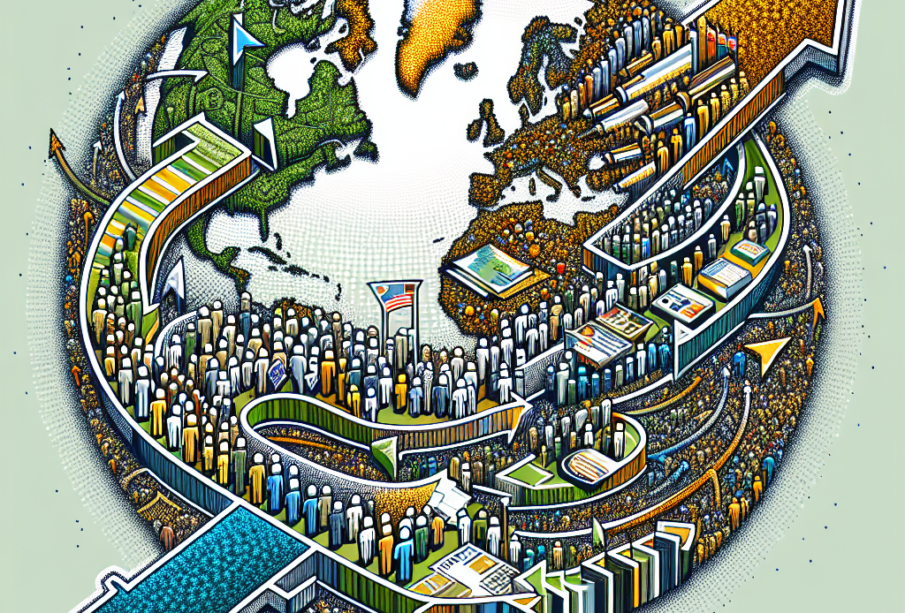
Additionally, economic factors continue to play a critical role in shaping migration trends. Economic disparities between developed and developing nations incentivize individuals to seek better opportunities abroad. Countries like the United States, Canada, and various European nations remain hotspots for migrants due to their robust job markets and higher living standards. In 2025, the global migration network has evolved, with emerging economies in Asia and Africa also becoming destinations for migrant populations, creating a more complex and multifaceted migration landscape.
Key Drivers of Migration in 2025
Understanding the underlying drivers of migration is vital for addressing its implications effectively. As of 2025, political instability and conflict remain major catalysts. Ongoing crises in regions such as the Middle East, particularly Syria and Afghanistan, have resulted in millions seeking refuge in neighboring countries and beyond. This influx strains resources and alters public sentiment towards immigration, often leading to increased nationalism and anti-immigrant rhetoric in host countries.
Moreover, socioeconomic factors are increasingly intertwined with migration trends. The global economy’s post-pandemic recovery has been uneven, resulting in both labor shortages in particular sectors and surpluses in others. For instance, industries like tech and healthcare are experiencing a surge in demand for skilled migrants, while many low-skilled jobs are suffering from a lack of locals willing to work in them. This dichotomy presents opportunities and challenges in labor-sending countries, which must navigate brain drain while maximizing remittances from their expatriates.
The Political Ramifications of Global Migration Trends
The political ramifications of shifting migration patterns are vast, influencing national policies and international relations profoundly. In many host countries, rising migration rates have led to tightening immigration policies and heightened border security as governments attempt to balance humanitarian obligations with public sentiment. In 2025, several European nations and the United States have introduced stricter immigration laws, partly in response to domestic pressures from nationalist movements. This has sparked debates about human rights and the treatment of migrants, shedding light on the complexities of governing in a multicultural society.
Furthermore, migration is reshaping global diplomacy. For instance, nations heavily impacted by migration are increasingly forming coalitions to address common challenges. In 2025, regional agreements in Africa and Latin America aim to facilitate the safe movement of people and share resources while managing migration collectively. These alliances reflect a shift towards collaborative approaches and emphasize humanitarian responsibilities despite rising political tensions.
Lastly, the growing presence of diaspora communities has significant implications for political representation and influence. As migrants maintain ties with their home countries, they can impact policies and socio-economic conditions back home through remittances and political advocacy. In 2025, countries like Mexico and India have recognized the political power of their diasporas, fostering greater engagement to address the needs of their citizens abroad. This dynamic has heightened the political landscape, with both positive and negative effects on bilateral relations.
Social Implications of Increased Migration
Beyond the political realm, the social implications of increased migration are profound and far-reaching. In 2025, communities across the globe are grappling with the integration of diverse cultures, which presents both opportunities for enrichment and challenges for social cohesion. While migration can lead to multiculturalism and innovation, it can also spark tensions as communities navigate differences in language, customs, and social norms. The need for effective policies that promote integration and address discrimination is more critical than ever.
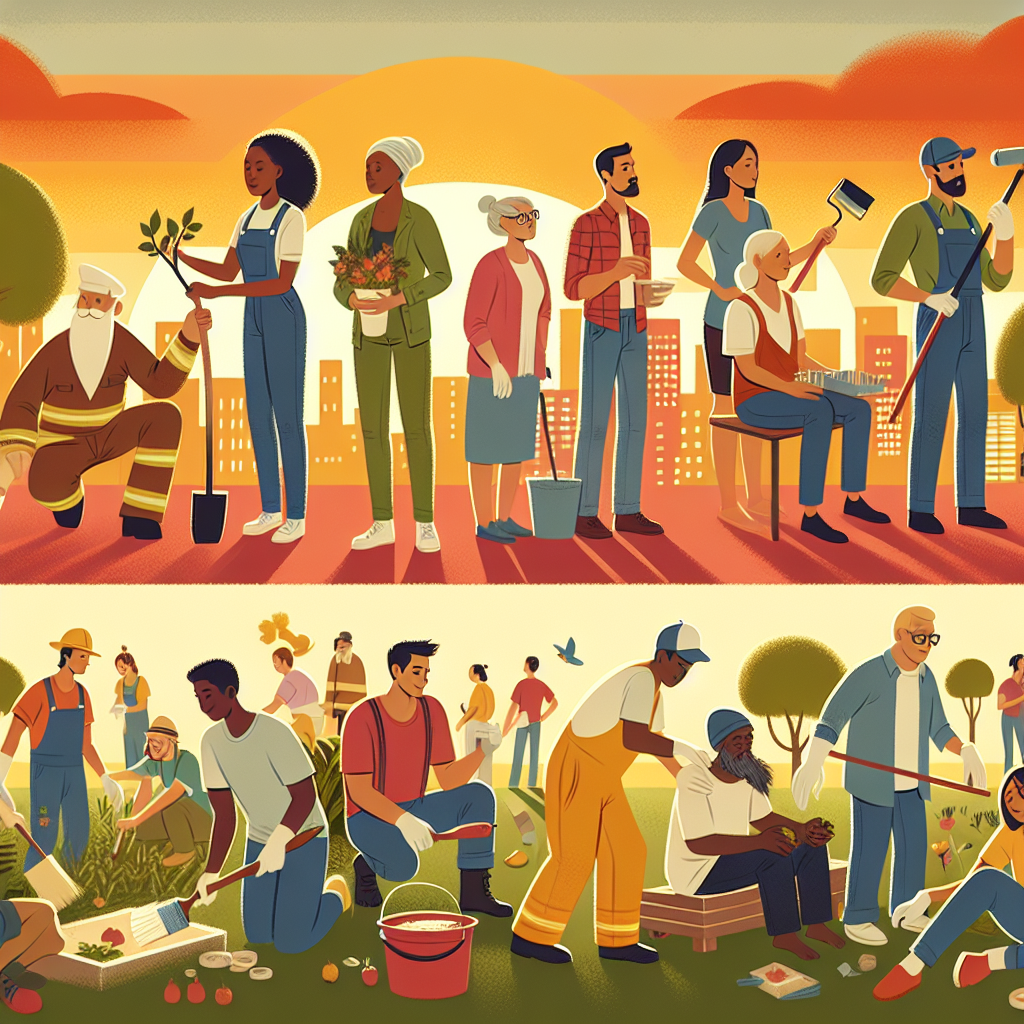
Healing divisions within societies often requires a commitment from both migrants and host communities. Many regions have successfully implemented programs aimed at fostering understanding and collaboration, emphasizing shared values and collective growth. In 2025, various grassroots organizations work tirelessly to bridge gaps through cultural exchanges, education initiatives, and community projects, fostering social harmony amidst demographic changes.
Additionally, the impact of migration on public services cannot be overstated. Increased population density can strain healthcare, education, and infrastructure, prompting discussions about resource allocation and prioritization in host communities. Policymakers in 2025 are tasked with the challenge of accommodating migrant needs while ensuring that local residents do not feel neglected. Developing inclusive frameworks that address the demands of both migrants and locals is essential for maintaining social stability.
Future Scenarios in Global Migration and Policy Responses
Looking ahead, several potential scenarios for global migration are emerging. The increasing severity of climate change will likely result in a greater number of “climate refugees,” necessitating comprehensive frameworks and legal protections for those displaced. Policymakers in 2025 must act swiftly to develop sustainable solutions that address environmental concerns while fulfilling their humanitarian obligations. Potential agreements at the international level are essential to establish standards and support for nations disproportionately affected by climate-related migration.
Technological advancements have also started to reshape migration patterns, with improved communication making it easier for migrants to connect with potential employers and communities abroad. As remote work becomes more mainstream, we may witness a shift in where people choose to live and work, blurring traditional migration paths. Policymakers in host countries must adapt to these changes and explore new visa categories that accommodate digital nomads and remote workers, which could benefit both economies and migrants alike.
Finally, enhancing cooperation between countries of origin, transit, and destination is crucial for addressing the complexities of global migration. Collaborative solutions can help manage migration flows, reducing the prevalence of human trafficking and exploitation. In 2025, nations that prioritize diplomacy and international cooperation will be better positioned to address the multifaceted challenges migration poses. By investing in partnerships, countries can create sustainable systems that benefit migrants and protect the interests of host communities.
Concluding Thoughts on Global Migration Trends
In summary, global migration trends in 2025 are shaped by an intricate web of factors including climate change, economic forces, and political dynamics. The ramifications of these trends inform and challenge governments, communities, and individuals on multiple levels. As we progress further into the 21st century, it is essential to approach migration holistically, recognizing its potential to enrich societies while mitigating challenges through inclusive policies and collaborative frameworks. Understanding these dynamics is essential to a better future for both migrants and host communities.
FAQs
What are the primary causes of global migration in 2025?
Global migration in 2025 is driven mainly by factors such as climate change, economic disparities, political instability, and conflict. Individuals often seek better opportunities and safety, leading to increased migration flows worldwide.
How does migration impact host countries socially and economically?
Migration has significant social and economic impacts on host countries, including diversity and cultural enrichment, but it can also strain public services and lead to social tensions. Successful integration policies are crucial for balancing these effects.
What role do diasporas play in shaping migration policy?
Diasporas significantly influence migration policy by advocating for their communities, contributing to their home economies through remittances, and affecting bilateral relations between countries of origin and destination.
What collaborative approaches are being taken to manage migration effectively?
In 2025, various countries are forming regional agreements and coalitions to collectively manage migration challenges, emphasizing humanitarian responsibilities and shared resources while fostering diplomatic relations.
How can communities better integrate migrants?
Communities can strengthen integration by promoting cultural exchanges, education initiatives, and collaborative projects that foster understanding and cooperation between migrants and locals, thus enhancing social cohesion.