How Debates Influence Party Platforms and Policies

Introduction
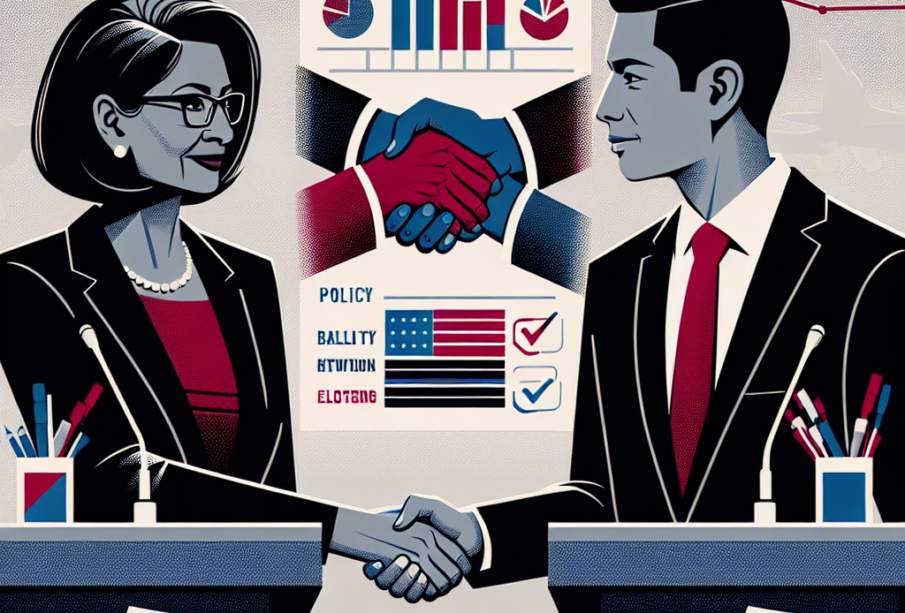
Debates wield a significant influence over party platforms and policies, shaping the political landscape in profound ways. As we navigate the political climate of 2025, it’s clear that the impact of debates extends beyond mere persuasion; they serve as pivotal events that can redefine party ideologies, galvanize bases, and capture the attention of undecided voters. Through a combination of articulate discourse and public engagement, debates not only allow candidates to present their viewpoints but also provide a space for the public to critically evaluate emerging political narratives. Understanding how debates influence party platforms and policies offers valuable insights into the mechanisms of modern political strategy.
Understanding the Role of Debates in Political Campaigns
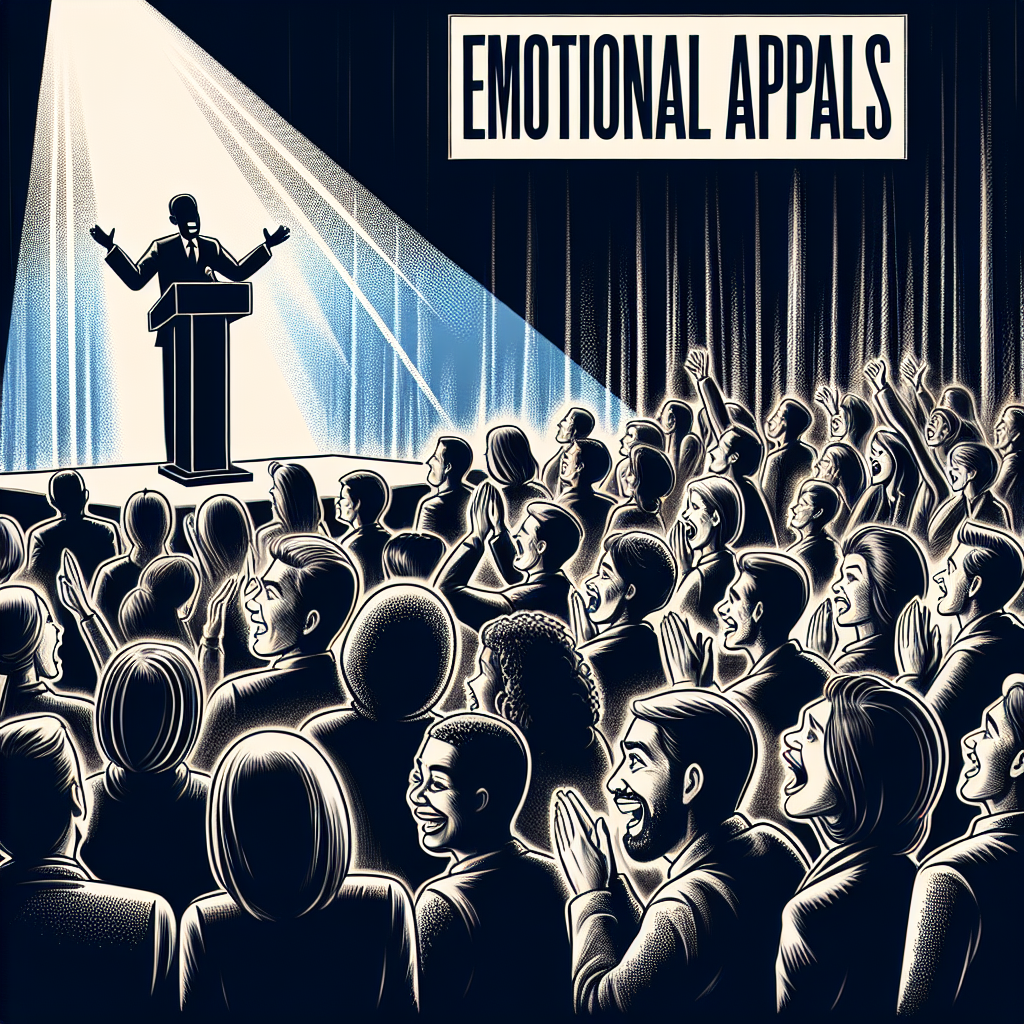
Debates are a cornerstone of political campaigning, offering a unique opportunity for candidates to communicate directly with the electorate. In 2025, the debates are incredibly strategic, reflecting the digital age where social media amplifies every statement. For candidates, these forums are not just platforms for policy articulation; they symbolize a chance to connect on a personal level with voters. The intricacies of delivery—such as tone, body language, and emotional resonance—are essential for making an indelible impression. As the party platforms are often influenced by the real-time responses from public sentiment, candidates utilize debates to gauge the effectiveness of their messages and adapt their campaigns accordingly.
Moreover, debates foster a competitive environment where candidates are compelled to clarify their stances. This leads to a direct exchange of ideas that can influence party platforms in real-time. For example, nuanced discussions on pressing issues like healthcare, climate change, and economic policy can drive party leaders to reassess their positions based on candidate arguments and public feedback. The immediacy of debates facilitates a dynamic adjustment in policies that reflect not only party values but also the overarching needs and concerns of the electorate.
How Debates Shape Party Platforms
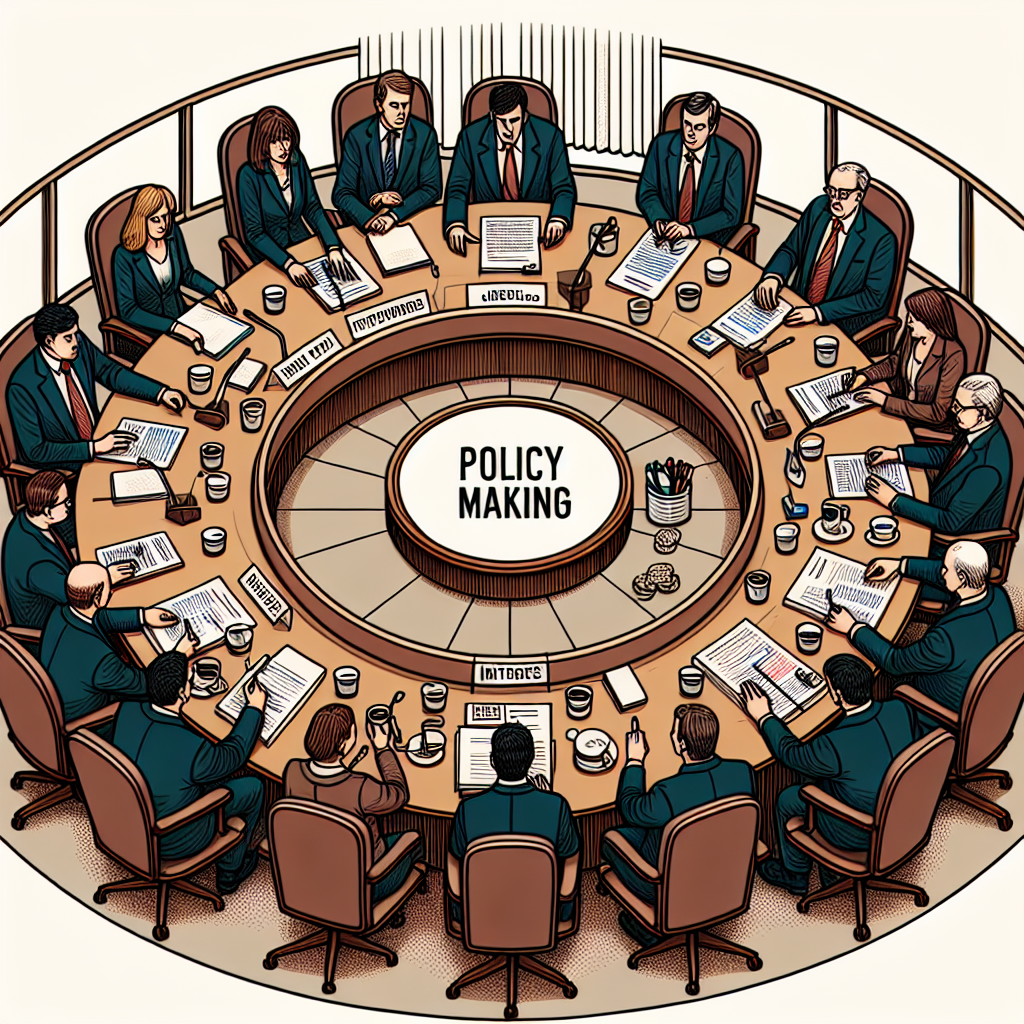
The outcomes of debates have a tangible effect on shaping party platforms, as candidates often adopt policies that resonate well during these events. In 2025, we see political parties keenly responding to the topics highlighted in debates. If a candidate effectively advocates for progressive initiatives like universal basic income during a debate, it can prompt an entire party to incorporate such measures into their platform. This responsiveness underscores the fluidity of party policies, which can pivot based on effective debate performances.
Furthermore, debates provide an arena for advancing specific themes that become hallmark issues in party platforms. For instance, heightened discussions around social justice in recent debates have led many parties to recalibrate their strategies to include more robust civil rights protections and reformative social policies. This recalibration can be seen through the lens of public polling and feedback that follows debates, showcasing how party agendas rapidly evolve to align with the new discourse shaped during these critical interactions.
The Immediate Impact of Debates on Public Opinion
Public opinion is often swayed in real-time during debates, marking a significant change in party strategies post-event. Candidates who emerge as winners in these debates can see surges in popularity that consequently influence their party’s campaign trajectory. In 2025, various polls have highlighted shifts in voter priorities following high-stake debates, emphasizing how candidate performance directly correlates with support shifts. Capturing the attention of undecided voters can be pivotal, and debates play a crucial role in ensuring that party platforms resonate with the broader electorate.
Moreover, the scrutiny of statements made in debates acts as feedback for party leaders. This level of public engagement can lead to rapid policy evolution based on what voters react positively to. Candidates who successfully frame their arguments will often push their parties to adopt these messages as central platform tenets, reinforcing the importance of debates as a feedback mechanism. The immediate impact thus creates a loop where public relations and party positioning are continually adjusted towards perceived voter favorability.
In the wake of debates, media coverage often scrutinizes candidates’ performances, reinforcing or diminishing their standing with voters. This feedback can influence party platforms as leaders respond to prominent narratives and critiques that emerge from coverage. For example, if a candidate’s gaffe is poorly received, parties may immediately distance themselves from that narrative, steering their platform toward more favorable issues raised during the debate.
Long-term Effects of Debates on Policy Development
The long-term effects of debates can extend well beyond individual campaigns and contribute to enduring policy development within parties. As debates evolve, selected topics often rise to prominence as priority issues that necessitate legislative attention. For instance, critical matters such as climate policy or healthcare reform discussed in debates can result in a sustained focus from parties, leading to the formulation of comprehensive plans that address these fundamental concerns over the years. This pattern has been observed in the years following the 2025 elections, where critical debate topics have steadily risen in party agendas, reflecting ongoing societal demands.
Additionally, the ideology and rationale presented during debates can crystallize into party doctrine, leading to transformative changes in policy orientation. Over time, we can witness the evolution of party platforms as they adopt resounding themes established during these debates—themes which become integral not merely in campaign contexts, but also in legislative sessions. This potent shift demonstrates that debates serve as a crucible for innovative policy ideas that can potentially be stitched into party beliefs across election cycles.
Finally, debates foster a culture of accountability. Party platforms influenced by debates require ongoing assessment and responsiveness. The continuous exchange of ideas spurred by public debates can lead to a more engaged citizenry, expecting elected leaders to not only articulate policies during campaigns but also act upon them in office. This expectation compels parties to design platforms that are not only appealing but are also readily applicable to governance, ensuring longevity and sustainability of their policies in alignment with the public’s needs.
The Future of Political Debates and Party Policies
As we look to the future, the dynamics of debates continue to evolve with technology and societal changes. In 2025, the integration of digital platforms and social media into debates has transformed the landscape. Candidates can engage with voters more directly and transparently, leading to immediate feedback loops that influence party platforms in unprecedented ways. Real-time polling during debates can provide insights that reshuffle priorities rapidly, highlighting the adaptability that parties must embrace in a hyper-connected world.
Moreover, with younger generations poised to influence the political arena more than ever, debates are increasingly reflecting the values of younger voters. Issues like climate change, equality, and digital privacy, which resonate with this demographic, have started to reshape party platforms considerably. The evolution of debates into forums that also prioritize these emerging issues ensures that party policies will evolve in sync with shifting societal expectations and norms.
The future also demands an emphasis on inclusivity and representation within debates themselves. As diverse voices are increasingly becoming integral to party platforms and discussions, it’s essential that debates are structured to reflect this diversity. By creating more inclusive environments for debates, political parties can better align their platforms with the values and needs of a broader demographic.
Conclusion
The influence of debates on party platforms and policies is both immediate and enduring. Through strategic discourse, candidates have the power to shape public opinion and redefine party ideologies, illustrating the significance of these events in modern political landscapes. As political dynamics continue to evolve, understanding the intricate relationship between debates and party policies is essential for both political actors and voters alike. As we move forward, debates will likely remain a crucial element of political engagement, shaping the future trajectories of parties as they respond to the ever-changing needs and expectations of the electorate.
FAQs
How do debates influence voter perception?
Debates influence voter perception by showcasing candidates’ communication skills, policy proposals, and how well they align with public sentiment. Strong performances can sway undecided voters and solidify party loyalty among supporters.
What types of issues typically dominate political debates?
Key issues that often dominate political debates include healthcare, climate change, economic policy, foreign relations, and social justice. Candidates are likely to adapt their discussions to reflect current events and public priorities.
Can debates lead to immediate policy changes within parties?
Yes, debates can lead to immediate policy changes as candidates gauge public reaction to their performances and arguments. If a particular stance resonates well with the electorate, it may prompt a party to revise its platform accordingly.
How have debates changed in the digital age?
In the digital age, debates have become more interactive, utilizing social media for real-time engagement and public feedback. This has changed the way candidates prepare and respond to issues during campaigns.
What role does media play in shaping the outcomes of debates?
Media plays a pivotal role by framing debate narratives, analyzing candidate performances, and influencing public opinion post-debate. The coverage can either bolster or hinder a candidate’s campaign, thereby impacting party platform shifts.