How to Report on Political Polarization
How to Report on Political Polarization: A Comprehensive Guide
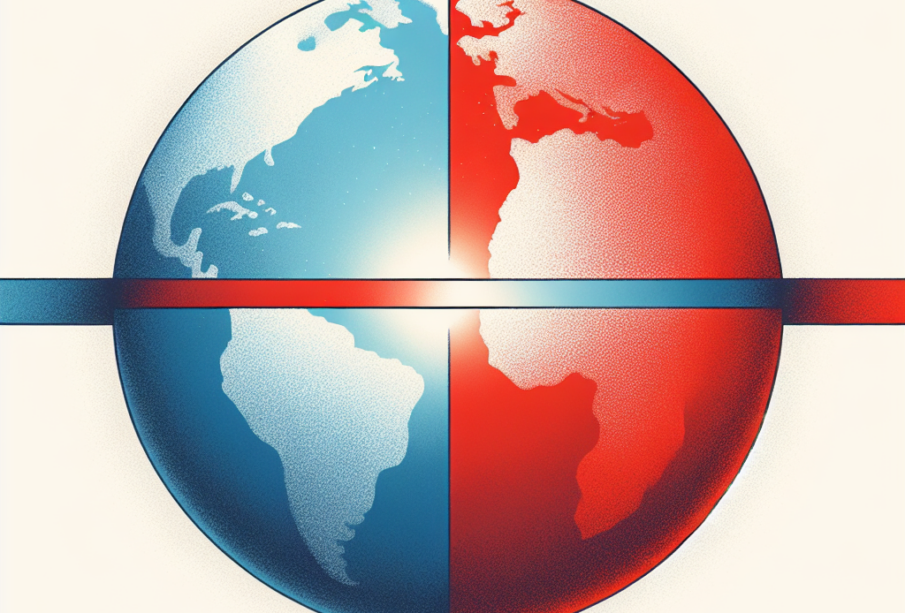
The landscape of political discourse in 2025 is marked by increasing polarization, where citizens find themselves deeply entrenched in opposing viewpoints. Reporters play an essential role in bridging the gaps, fostering understanding, and illuminating the nuances behind political divides. In this article, we’ll explore how to effectively report on political polarization, ensuring your coverage is accurate, balanced, and engaging. From understanding the core issues to employing effective strategies in storytelling, this guide will illuminate best practices for reporting on political polarization in today’s fast-paced and contentious political environment.
Understanding the Roots of Political Polarization
Political polarization has emerged as a central issue in contemporary society, becoming more pronounced over the past few decades. To effectively report on polarization, it’s vital to understand its historical context and the factors that contribute to it. Key elements such as socio-economic disparities, demographic shifts, and media influence have all played significant roles in exacerbating divisions between political ideologies. Reporters should delve into these facets, examining how historical events and economic policies have shaped the current political landscape.
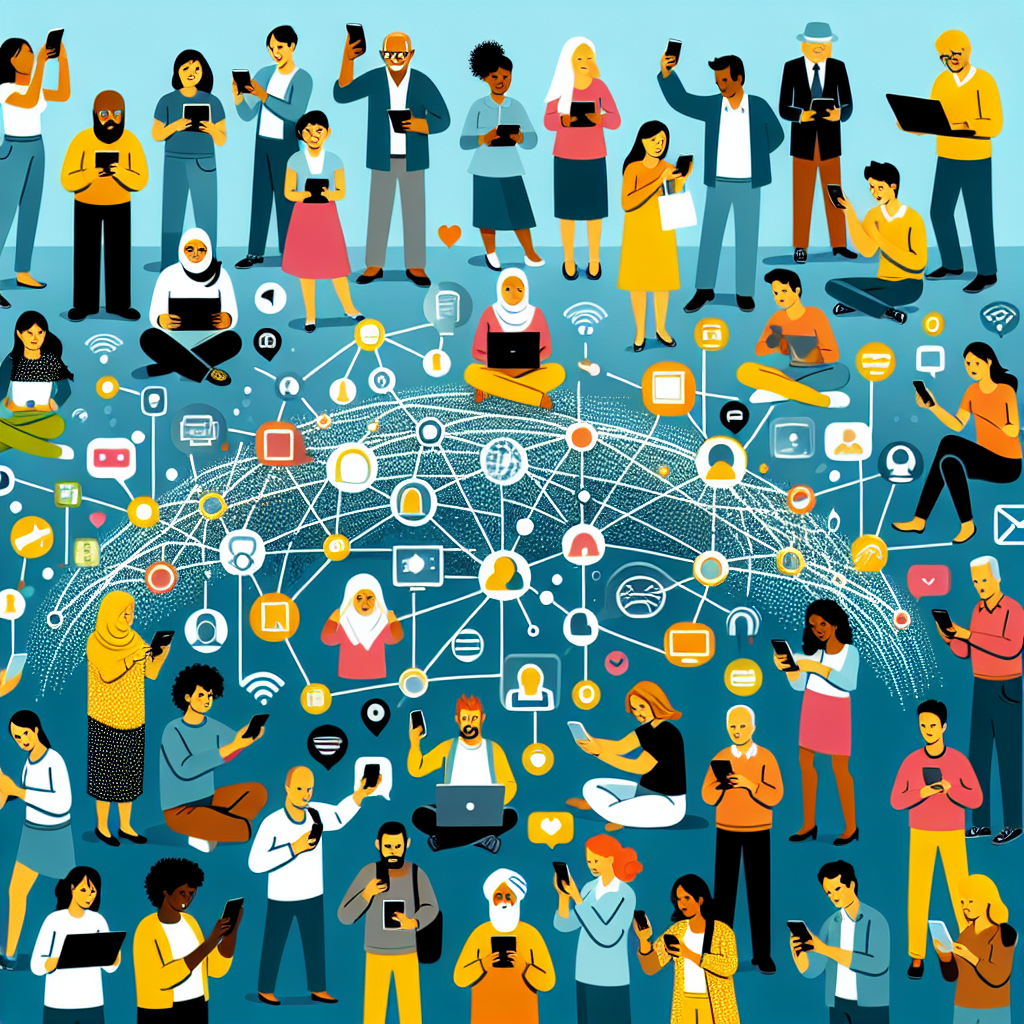
Additionally, social media platforms and 24-hour news cycles have allowed for the rapid dissemination of information, often without sufficient fact-checking. This environment enables echo chambers, where individuals consume only the information that aligns with their existing beliefs. By investigating these dynamics, reporters can provide audiences with a more comprehensive understanding of how information is presented and perceived, ultimately influencing political opinions and driving polarization.
Best Practices for Reporting on Political Polarization
When reporting on political polarization, clarity and balance are paramount. Journalists must present multiple viewpoints without giving undue weight to extreme perspectives. This approach requires careful research and sourcing of credible, diverse voices—from political experts to average citizens expressing their opinions. By incorporating a range of perspectives, reporters can create a more nuanced story that encourages readers to consider differing opinions and foster healthier discourse.
Furthermore, utilizing data-driven journalism can enhance reports on political polarization. By citing surveys, polls, and research studies, reporters can substantiate claims about public sentiment and polarization trends. This evidence-based reporting can enhance credibility and offer readers a clearer picture of the underlying issues. Incorporating infographics and interactive content can further engage audiences, helping to visualize complex data in an accessible way.
Navigating Challenges in Polarized Reporting
Reporting in an environment characterized by political polarization introduces unique challenges. One significant issue is the public’s growing mistrust of the media, often viewing it as biased or partisan. To mitigate this, journalists must adhere to the highest ethical standards, ensuring fairness and objectivity in their reporting. This may include balancing emotional stories from one side of the political spectrum with equally compelling narratives from the opposite side, creating a comprehensive view without appearing to endorse a particular agenda.
Moreover, navigating the highly charged emotions surrounding political topics is crucial. Reporters should strive to separate facts from opinions and remain mindful of the language they use. Labels can often polarize audiences further, so opting for neutral terminology is essential to foster understanding. Sensationalist language should be avoided, as it may provoke outrage rather than constructive dialogue. Instead, a calm and measured tone can help to open lines of communication among disparate groups.
Engaging Audiences through Thoughtful Storytelling
To make reports on political polarization resonate with audiences, storytelling is vital. Crafting narratives that humanize the implications of polarization can create emotional connections with readers. This may involve profiling individuals whose lives have been directly affected by political divides, highlighting their stories, challenges, and aspirations. By focusing on personal experiences, journalists can showcase the human side of political issues, encouraging empathy and understanding among readers with differing viewpoints.
Another effective strategy is creating multimedia content that enhances traditional reporting. Documentaries, video interviews, and podcast episodes can immerse audiences in the lives and stories of those caught in the throes of political polarization. Combining various mediums allows journalists to reach wider audiences and engage them in more profound ways. Thoughtful integration of visuals, quotes, and narratives can elevate a story and invite readers to step into other people’s shoes.
The Future of Political Reporting in a Polarized World
As we move further into 2025, the importance of responsibly reporting on political polarization cannot be overstated. Emerging technologies, such as artificial intelligence and machine learning, offer new tools for journalists but also present challenges regarding misinformation. Reporters must remain vigilant in verifying sources and combating false narratives that can further polarize the public. Developing strong partnerships with fact-checkers and employing robust verification techniques will be crucial in navigating this landscape.
Finally, journalists can advocate for media literacy among their audiences. By equipping readers with the tools to critically evaluate news sources and identify bias, reporters can empower citizens to engage with politics healthily and constructively. Media literacy initiatives can also foster dialogues within communities, encouraging participation in discussions that transcend ideological divides. In this way, journalists play a vital role in healing divisions and fostering a more informed and cohesive society.
Conclusion
Reporting on political polarization in 2025 requires a deep understanding of its historical roots, a commitment to ethical journalism, and an innovative approach to storytelling. By employing best practices, navigating challenges, and engaging audiences through rich narratives, journalists can illuminate the complexities of political divides. As the media landscape continues to evolve, embracing technology, promoting media literacy, and prioritizing fairness will be essential in shaping a more informed public discourse. By doing so, reporters can contribute to bridging the gaps between polarized viewpoints, fostering understanding, and promoting a healthier democratic process.
FAQs Section
What is political polarization?
Political polarization refers to the growing divide in political beliefs and ideologies, leading individuals to align more strongly with their political party while increasingly opposing the views of the opposing party.
Why is reporting on political polarization important?
Reporting on political polarization is crucial for fostering understanding and dialogue among diverse viewpoints. It helps inform citizens about the complexities of political issues and encourages more constructive discourse.
How can journalists balance fairness in polarized reporting?
Journalists can balance fairness by presenting multiple viewpoints, using data-driven evidence, and adhering to ethical standards. It’s essential to avoid sensationalist language and focus on human narratives that foster empathy.
What role does social media play in political polarization?
Social media amplifies political polarization by creating echo chambers where users are exposed to information that confirms their beliefs while isolating them from differing opinions. This environment can distort perceptions and further entrench divisions.
How can reporters combat misinformation?
Reporters can combat misinformation by citing credible sources, verifying facts before publication, and collaborating with fact-checkers. Promoting media literacy among audiences can also empower them to discern accurate information.