Human Rights in Politics: A Global Perspective

Introduction
As the world navigates the complexities of the 2025 political landscape, the intersection of human rights and politics remains a focal point of global discourse. Human rights in politics serve as both a guiding principle and a benchmark for government accountability, influencing policy decisions, international relations, and societal norms. From the rise of authoritarian regimes to the advocacy for social justice movements, the protection of human rights is more critical than ever. This article aims to explore human rights in politics from a global perspective, analyzing how various nations approach these rights and the effects of political decisions on global human rights standing.
The Evolution of Human Rights in Global Politics
The evolution of human rights within the context of global politics has undergone significant transformations since the establishment of the Universal Declaration of Human Rights in 1948. Initially conceived as a response to the atrocities of World War II, this monumental document set the tone for international norms concerning personal dignity, freedom, and equality. Over the decades, interpretations of human rights have expanded, encompassing issues such as economic, social, and cultural rights, alongside civil and political ones. Governments, international organizations, and non-governmental entities now engage in a vast dialogue about fostering and protecting these fundamental rights.
As we enter 2025, the political landscape is marked by severe challenges to these rights. For example, in various regions, we witness a push toward authoritarianism, where governments manipulate human rights terminology to justify suppression and censorship. In stark contrast, populous movements advocating for rights—such as climate justice—demonstrate a growing demand for accountability. The dialogue around human rights in global politics continues to evolve, with new frameworks emerging to address contemporary issues like digital rights, gender identity, and the rights of refugees.
Human Rights Violations: A Persistent Global Challenge
Despite significant advancements in recognized human rights, violations remain widespread across various nations. Reports from organizations such as Amnesty International and Human Rights Watch highlight systemic abuses, ranging from police brutality and arbitrary detentions to violations of freedoms of expression and assembly. In authoritarian regimes, dissent is often met with violent repression, allowing governments to maintain control at the expense of fundamental rights. In 2025, particularly troubling cases—like the crackdowns in Belarus and Myanmar—emphasize the persistent challenge that the international community faces in holding violators accountable.
Moreover, economic inequalities exacerbate human rights abuses worldwide. Disparities in wealth often lead to unequal access to essential services like healthcare, education, and housing. In many societies, marginalized groups—such as ethnic minorities, LGBTQ+ individuals, and the economically disadvantaged—experience heightened vulnerability reflecting how local politics interacts with global human rights issues. As nations grapple with the consequences of climate change, this intersection becomes even more pronounced, with environmental degradation disproportionately impacting the most vulnerable populations.
The Role of International Organizations in Advocacy and Enforcement
International organizations play a pivotal role in shaping the landscape of human rights within politics across the globe. The United Nations (UN) stands foremost among these bodies, tasked with upholding international peace and security while promoting human rights. In 2025, the UN still functions as a critical platform for dialogue and action regarding human rights, employing protocols like the Universal Periodic Review to hold member states accountable for their rights records. The effectiveness of these measures, however, raises questions when powerful nations exploit their political leverage to avoid repercussions or manipulate assessments to their favor.
Regional organizations, such as the African Union (AU) and the European Union (EU), have also emerged as key players in advocating for human rights. The AU’s Charter on Human and Peoples’ Rights aims to protect the rights of individuals across its member states, but implementation remains inconsistent. The EU, with its commitment to democracy and fundamental rights, has established mechanisms to address human rights violations, sometimes imposing sanctions on regimes seen as oppressive. Yet, the effectiveness of these regional efforts often hinges on the political will of individual states and their commitment to uphold collective human rights initiatives.
The Impact of Grassroots Movements on Political Change
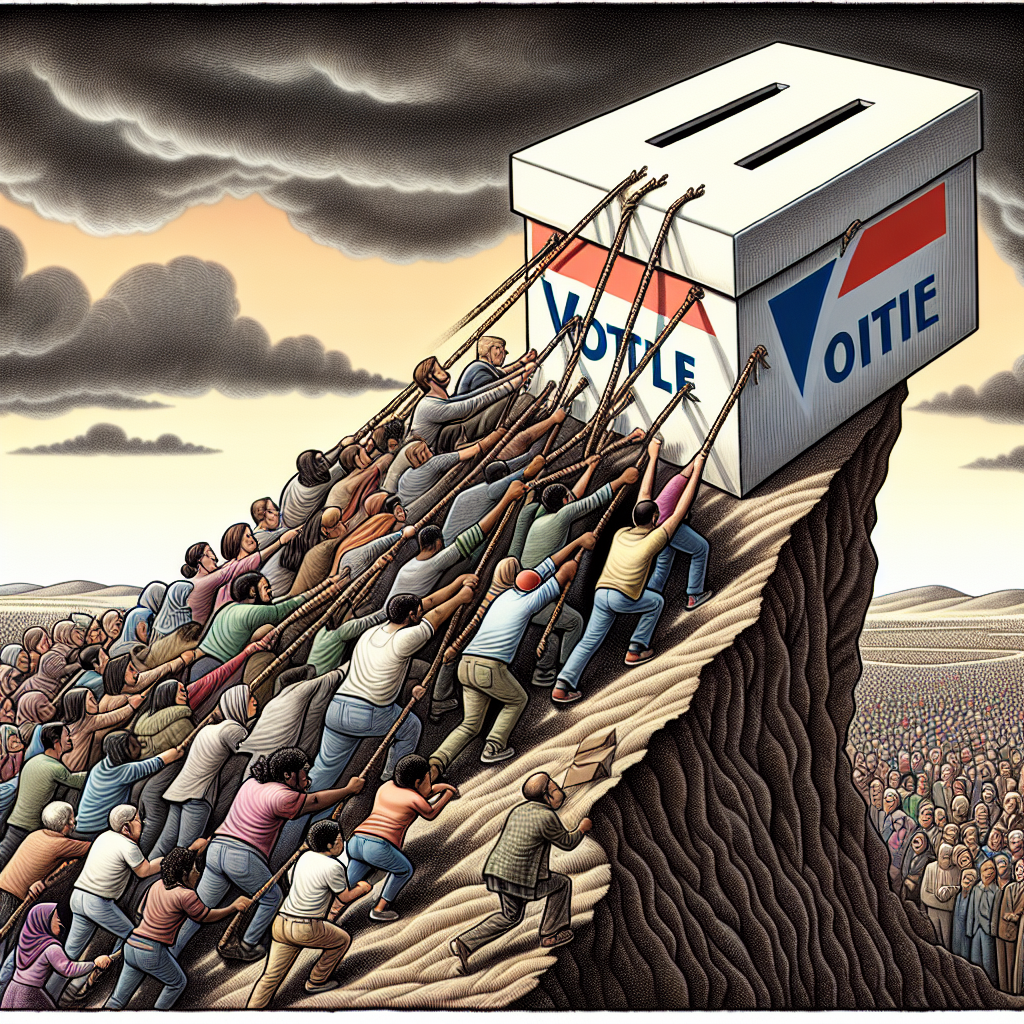
Grassroots movements are increasingly shaping the human rights and political landscapes in profound ways, showcasing the power of collective action. The influence of social media has accelerated global solidarity, enabling immediate response to injustices. For example, in 2025, movements advocating for racial justice, gender equality, and climate action have mobilized millions across continents, showcasing how ordinary citizens can exert pressure on political systems. This activism often translates into tangible policy changes, demonstrating that sustained efforts can lead to significant gains in human rights protections.
The Black Lives Matter movement serves as a poignant example of grassroots activism impacting politics globally. Originating in the United States, its principles have resonated worldwide, inspiring similar movements addressing endemic racism and inequality in various nations. In the wake of global protests, several governments have enacted reforms aimed at police accountability and social inequities, albeit with varied effectiveness. This highlights a dual reality of human rights activism in politics: while movements can catalyze change, the political environment plays a consequential role in determining the outcomes of these efforts.
The Future of Human Rights in a Changing Political Climate
As we move forward in 2025, the future of human rights in political discourse faces both challenges and opportunities. Emerging technologies, such as artificial intelligence and data surveillance, raise critical questions about privacy rights and government accountability. The COVID-19 pandemic significantly impacted human rights, prompting governments to implement emergency measures that sometimes encroached on civil liberties. Thus, as nations transition to post-pandemic realities, the balance between public safety and individual freedoms will continue to be a contentious issue.
Moreover, the climate crisis poses an existential threat that intersects deeply with human rights. The need for sustainable development that respects and uplifts human dignity presents an essential challenge for policymakers. Governments worldwide must consider the rights of future generations in their political decisions, integrating sustainable practices into their human rights agendas. The evolving narrative around human rights must incorporate these concerns, providing a framework that advocates for both environmental and social justice.
In summary, the future of human rights in politics is intricately tied to global collaboration and the active involvement of civil society. By addressing contemporary challenges through a human rights lens, nations can forge pathways toward a more equitable and just world, ensuring that the evolution of human rights remains a dynamic and hopeful aspect of global politics.
Conclusion
Across the globe, the relationship between human rights and politics continues to evolve amidst complex shifting landscapes. Key challenges—such as the violation of rights by authoritarian regimes, the role of international and regional organizations, and the impact of grassroots movements—demonstrate that while progress has been made, significant work remains. As we advance into 2025 and beyond, the interplay between human rights, global politics, and societal pressures will shape the fight for dignity and justice in every corner of the world. By prioritizing human rights in political dialogue, we can work towards a future where equality and freedom are not mere ideals, but lived realities for all.
FAQs
What are the main human rights recognized by international law?
International law recognizes a variety of human rights, including the right to life, freedom of speech, freedom of religion, the right to a fair trial, and the right to education, among others.
How do grassroots movements impact human rights?
Grassroots movements amplify the voices of marginalized communities, raise awareness about human rights violations, and exert pressure on governments to enact change, often leading to significant reforms in policy and practice.
What role do international organizations play in safeguarding human rights?
International organizations, such as the UN, provide frameworks for monitoring human rights abuses, facilitate dialogue among nations, and can enforce actions against states that fail to uphold their human rights obligations.