Investigating the Impact of Political Corruption on Public Trust

Investigating the Impact of Political Corruption on Public Trust
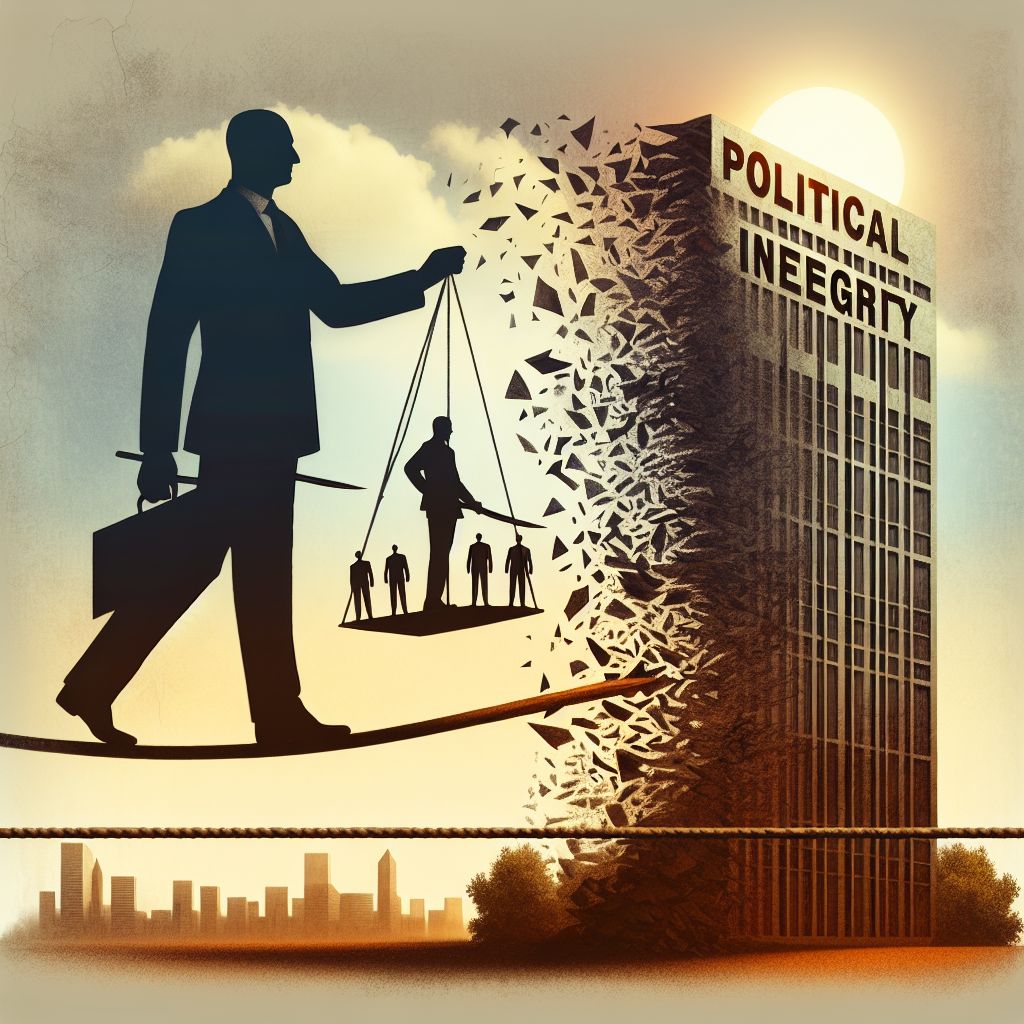
Political corruption is a pervasive issue that significantly undermines public trust in government institutions. As we examine the impact of political corruption in 2025, it’s essential to understand how it affects the perception of governance, civic engagement, and the overall functioning of democracy. Throughout this article, we delve into various aspects of political corruption, its manifestations, and its ripple effects on public trust.
Understanding Political Corruption and Its Types
Political corruption can be described as the abuse of power by government officials for illegitimate private gain. It manifests in various forms, including bribery, embezzlement, nepotism, and favoritism. In the digital age, political corruption has evolved with technology, transforming traditional methods into more sophisticated schemes. For instance, the rise of cryptocurrency has facilitated money laundering, making it easier for corrupt officials to conceal illicit gains. Furthermore, the globalization of business and governance means that corrupt practices are often transnational, complicating enforcement and accountability.
The ramifications of political corruption extend far beyond the immediate financial implications. Corruption erodes the integrity of governmental institutions, leading to a deterioration of public services and a lack of accountability. Citizens begin to lose faith in their leaders and the systems designed to serve them. This erosion of trust leads to civic disengagement, as people feel their votes and voices no longer matter in a system rife with corruption.
The Link Between Corruption and Public Trust
Public trust is a critical pillar of effective governance. When political corruption becomes prevalent, it creates a cycle of distrust where citizens question the intentions and actions of their leaders. Research shows that societies with high levels of corruption tend to have lower levels of public trust. Surveys conducted in 2025 indicate that countries grappling with systemic corruption report significantly lower scores in citizen trust towards government institutions, highlighting the direct relationship between corruption and public perception.
In many democracies, public officials are seen as representatives of the collective will. When these individuals engage in corrupt practices, it suggests a profound disconnect between the political elite and the populace. This disconnect exacerbates feelings of alienation among citizens, leading them to believe that their needs and interests are not being prioritized. Consequently, the legitimacy of democratic processes comes into question, raising concerns about the future of governance itself in these regions.
The Societal Consequences of Eroded Trust
The societal consequences of diminished public trust due to political corruption are multifaceted and far-reaching. One immediate effect is reduced civic engagement. When individuals perceive that their political system is corrupt, they are less likely to participate in elections, public deliberations, or community initiatives. This disengagement can further entrench corrupt practices, as politicians face less scrutiny and fewer demands for accountability from an apathetic electorate.
Additionally, the impact on social cohesion should not be underestimated. When political corruption becomes endemic, it can foster cynicism and divisiveness within society. Citizens may begin to feel that they cannot rely on one another, leading to a breakdown of community ties and an increase in social distrust. In 2025, several studies point to rising levels of polarization in countries with high corruption levels, suggesting that political scandals contribute to the fragmentation of social bonds.
Moreover, the economic implications of a distrustful society are profound. Economies thrive on trust; investors need assurance that their investments will be safeguarded. Countries plagued by corruption often struggle to attract foreign investment, impeding economic growth. In 2025, data reveals that nations with higher public trust exhibit superior economic performance compared to those with rampant corruption. This relationship suggests that fostering civic trust could be an essential strategy for economic recovery and growth amidst global challenges.
Restoring Trust in Governance
Restoring public trust in governance after political corruption is a daunting yet necessary task. Transparency and accountability are paramount in rebuilding this trust. For instance, implementing rigorous anti-corruption measures, such as independent audits and oversight committees, can help to ensure that government actions are scrutinized. Countries that have successfully tackled corruption often invest in strengthening their institutions to promote ethical behavior among public officials, thereby creating a culture of integrity.
Another essential element in restoring trust is fostering greater civic engagement. Governments must prioritize inclusive policies that encourage citizen participation in decision-making processes. In 2025, we see innovative approaches such as open data initiatives that allow citizens to access information on government spending and decision-making, enhancing accountability. Empowering citizens to engage actively in governance can rebuild the relationship between the electorate and officials.
Educational campaigns play a crucial role in nurturing a culture of integrity and alerting citizens to the dangers of corruption. Governments and non-governmental organizations (NGOs) can collaborate to promote civic education and awareness regarding the impacts of corruption. As 2025 demonstrates, such initiatives can empower citizens to demand transparency and accountability while shaping a more informed electorate that actively engages in governance.
The Role of Media in Exposing Political Corruption
The media plays an integral role in exposing political corruption and educating the public about its consequences. Investigative journalism has been pivotal in unearthing corruption scandals, enabling citizens to make informed decisions concerning their leaders. In 2025, the digital landscape provides myriad platforms for whistleblowers and journalists to share information, increasing the likelihood of corrupt practices being exposed. This increased scrutiny can serve as a deterrent for corrupt officials who fear public backlash and legal consequences.
Media literacy also empowers citizens to discern credible information from sensationalism and misinformation related to corruption. With the rise of digital news outlets, it is crucial that the public can critically evaluate the sources of their information. Promoting media literacy can encourage critical thinking and foster a more engaged and informed citizenry that holds leaders accountable for their actions.
Furthermore, journalism’s capacity to create narratives around corruption can catalyze social movements and grassroots activism. In 2025, we see several instances where media coverage has sparked large-scale protests against corrupt officials, demonstrating the power of collective action. The media’s role in highlighting these issues is essential not only for exposing wrongdoing but also for galvanizing public sentiment that can lead to significant political change.
Conclusion
The impact of political corruption on public trust is profound and multifaceted. As demonstrated in various sections of this article, political corruption erodes citizen trust in institutions, fuels disengagement, and can have extensive societal and economic consequences. Restoring trust requires a concerted effort from governments, civil society, and citizens alike. Implementing effective anti-corruption measures, fostering civic engagement, and leveraging the power of media can facilitate the rebuilding of public trust in governance.
By prioritizing transparency and accountability, societies can create an environment where trust flourishes, ultimately leading to stronger, more resilient democratic systems. As we navigate the complexities of political governance in 2025 and beyond, the imperative to combat corruption and restore trust remains ever more critical.
FAQs
What are the primary causes of political corruption?
Political corruption often arises from a combination of factors, including lack of transparency, inadequate regulations, weak institutions, and the influence of money in politics. Cultural norms and a lack of accountability also contribute to the prevalence of corrupt practices.
How does political corruption affect economic growth?
Political corruption impedes economic growth by creating an uncertain business environment, discouraging investments, and leading to inefficient allocation of resources. Countries with high levels of corruption tend to experience slower economic growth and diminished investor confidence.
What measures can governments take to combat political corruption?
Governments can combat political corruption by implementing robust anti-corruption laws, promoting transparency through open data initiatives, supporting independent media, and fostering public engagement in governance. Education and awareness campaigns can also play a crucial role in addressing the issue.