Nationalism vs. Globalism: The Tug-of-War in 21st Century Politics
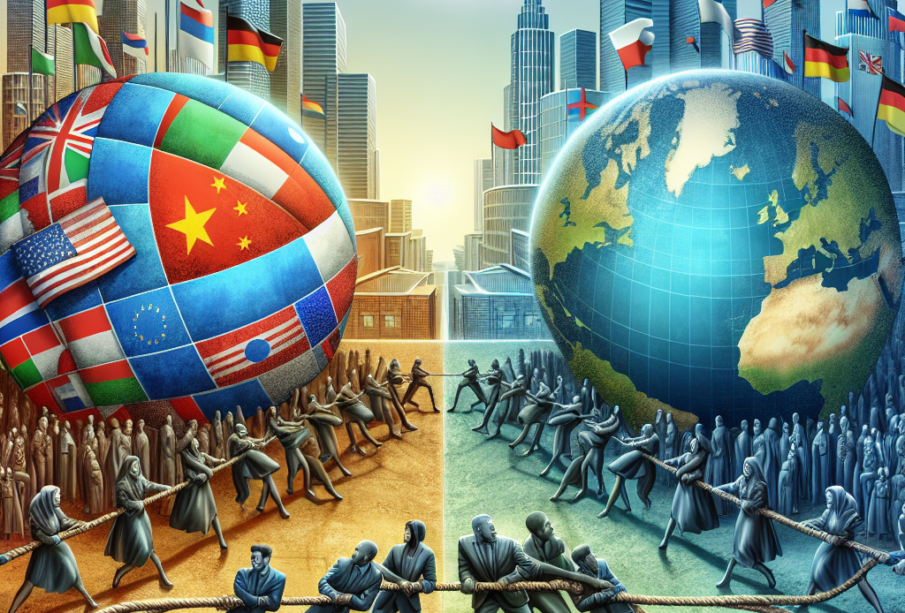
Nationalism vs. Globalism: The Tug-of-War in 21st Century Politics
In the early 21st century, two contrasting ideologies have come to the forefront of global discourse: nationalism and globalism. As nations grapple with economic shifts, cultural exchanges, and political upheaval, the tension between these two forces shapes the landscape of international relations and domestic policies. The tug-of-war between nationalism and globalism not only influences political decisions but also impacts everyday life for millions worldwide. In this article, we’ll explore the complexities of this ideological struggle, the implications for societies, and the future trajectory as we advance through 2025.
Understanding Nationalism in the 21st Century
Nationalism, defined as a political ideology centered around the interests and culture of a particular nation, has gained momentum in recent years. In the context of 2025, nationalism has found fertile ground amid growing sentiments of economic insecurity, cultural homogeneity, and political dissatisfaction. Countries like the United States, Brazil, and various nations across Europe have seen the emergence of leaders who champion nationalist policies—often emphasizing borders, sovereignty, and a return to traditional values.
The resurgence of nationalism is often a response to perceived threats from globalization. Economic disparities, job losses due to outsourcing, and immigration concerns fuel a narrative that advocates for prioritizing national interests over global cooperation. Many citizens perceive globalism as undermining their country’s identity and sovereignty. This has led to a palpable friction between nationalist policies, which prioritize internal cohesion, and globalist agendas advocating for interconnectedness and multinational collaboration.
The Appeal of Globalism
Globalism posits that the world is moving toward greater interconnectedness, promoting collective action to address issues that transcend national borders—such as climate change, economic inequality, and health crises. In 2025, this ideology remains critically relevant as nations face shared challenges that demand cooperative solutions. Proponents argue that global collaboration fosters innovation, economic growth, and cultural exchange, which ultimately benefit all parties involved.
Furthermore, globalism appeals to younger generations who are more interlinked through technology and social media. With tools that emphasize shared experiences over geographic boundaries, younger individuals often prioritize global citizenship and endorse broader perspectives on issues like human rights and environmental sustainability. However, this idealism faces challenges from nationalist sentiments that often view globalism as a threat to local culture and economic stability.
The Dangers of Nationalism
While nationalism can foster a sense of belonging and pride, it also has the potential to incite intolerance and division. The rise of radical nationalism has been linked to xenophobia, racism, and a decline in civic engagement. In 2025, many countries face internal strife as nationalist movements reject multiculturalism and embrace isolationist policies. These trends not only threaten democratic values but also underline societal fractures that can lead to conflict.
Moreover, nationalist rhetoric can hinder international cooperation on pressing global challenges. Climate change, pandemics, and geopolitics require unified approaches; yet, as nationalism rises, states may place their interests above global solutions. This lack of collaboration risks exacerbating crises rather than alleviating them. The recent diplomatic tensions over climate agreements highlight the struggle to balance national interests with collective action.
Globalism’s Challenges and Critiques
Despite its optimistic vision, globalism is not without its challenges. Critics argue that it often perpetuates economic disparities, benefitting wealthier nations while marginalizing poorer states. Global trade agreements and multinational corporations might prioritize profit over the welfare of local communities, leading to job losses and social inequities. In 2025, the backlash against trade deals highlights the unease many feel toward global economic integration—concerns that nationalist movements successfully capitalize on.
Additionally, globalism faces skepticism given its reliance on international institutions and agreements that may not account for cultural nuances. In diverse societies, globalist policies can inadvertently impose a homogenized worldview that clashes with local customs and beliefs. As nations negotiate in an increasingly multipolar world, the challenge remains to respect unique identities while pursuing collective goals. This duality is crucial in maintaining social cohesion without alienating segments of the population.
The Future of Nationalism and Globalism
The political landscape in 2025 indicates that the tug-of-war between nationalism and globalism will persist, but the path taken by nations may vary significantly. Some countries may adopt a more hybrid approach, attempting to balance domestic priorities with international obligations. This could lead to innovative policies that promote local industries while engaging in foreign trade, resulting in a model that seeks to harmonize both ideologies.
Looking forward, successful leaders and policymakers will need to navigate the complexities of this relationship, crafting narratives that resonate with both nationalist sentiments and globalist aspirations. Educating citizens about the benefits and challenges of globalization while validating their national identity will be crucial in fostering unity and cooperation. Sustainable solutions to global issues require collaborative efforts that respect national sovereignty.
Placing emphasis on community-building, effective governance, and open dialogue will help bridge the divide. The success of this endeavor relies on leaders cultivating an inclusive political discourse that honors diverse perspectives while acknowledging that the challenges of today cannot be solved in isolation.
Conclusion
The struggle between nationalism and globalism remains a defining characteristic of 21st-century politics as we approach 2025. While nationalism offers a pathway for people to reclaim their identities and concerns, globalism highlights the necessity of collaboration in an increasingly complex world. The potential for conflict between these ideologies is significant, yet so too is the opportunity for them to coexist. Balancing local interests with global responsibilities could pave the way for a more equitable future, prompting nations to embrace both their uniqueness and their interconnectedness.
FAQs
What is nationalism?
Nationalism is an ideology that emphasizes the interests, culture, and identity of a nation, often advocating for self-governance and prioritization of national sovereignty.
What is globalism?
Globalism is a political and economic ideology that promotes interconnectedness and collective action among countries to address global challenges like climate change, trade, and health crises.
How are nationalism and globalism related?
Nationalism and globalism often conflict as nationalism prioritizes national interests and identity, while globalism seeks broader cooperation and interdependence among nations.
What are the impacts of nationalism in today’s world?
Nationalism can lead to a resurgence of protectionist policies, strained international relations, and internal societal divisions, as seen in various countries grappling with immigration and cultural identity.
What challenges does globalism face?
Globalism struggles with criticism over economic disparities, cultural insensitivity, and the prioritization of multinational corporations’ interests, which can lead to inequality and alienation of local societies.