Political Corruption and Its Impact on Democratic Institutions

Introduction
Political corruption is a pervasive issue that undermines the integrity of democratic institutions worldwide. As we move through 2025, the stakes are higher than ever, with various nations facing political scandals that threaten public trust and accountability. Political corruption not only diminishes the quality of governance but also disenfranchises citizens and destabilizes societies. This article delves into the multifaceted nature of political corruption and explores its profound impacts on democratic institutions, highlighting both current challenges and potential solutions.
The Nature of Political Corruption
Political corruption can take many forms, including bribery, embezzlement, nepotism, and cronyism. It occurs when public officials abuse their power for personal gain, thereby skirting the rule of law and eroding public trust. In 2025, we continue to witness alarming levels of corruption across the globe, with high-profile cases emerging in several countries. From the entrenched political elites in the United States to systemic corruption in emerging democracies, the landscape is alarming.
The realities of political corruption are exacerbated by technological advancements. The digital age has facilitated both the reach of corruption (through cyber manipulation and misinformation) and the efforts to combat it (through transparency initiatives and increased oversight). The use of social media to expose corrupt practices has empowered citizens, but this can also be misused as a tool of propaganda by corrupt officials to discredit opponents or distract from their misdeeds.
The Impact of Political Corruption on Governance
Political corruption significantly undermines governance by diverting resources away from essential public services. When officials engage in corrupt practices, funds that should be allocated for health, education, and infrastructure projects are misappropriated for private enrichment. This misallocation leads to widespread dissatisfaction among citizens, who feel the impact of deteriorating public services in their daily lives. In 2025, nations like Brazil and Venezuela are grappling with the consequences of historical corruption, where critical needs are unmet due to siphoned funds.
Moreover, governance suffers because corruption erodes institutional integrity. Political institutions rely on trust and accountability to function effectively. When citizens lose faith in their leaders, political apathy ensues, leading to lower voter turnout and diminished civic engagement. This disengagement can spiral into political instability, as seen in various countries experiencing protests and civil unrest fueled by corruption scandals.
Corruption and Democratic Institutions: A Fragile Relationship
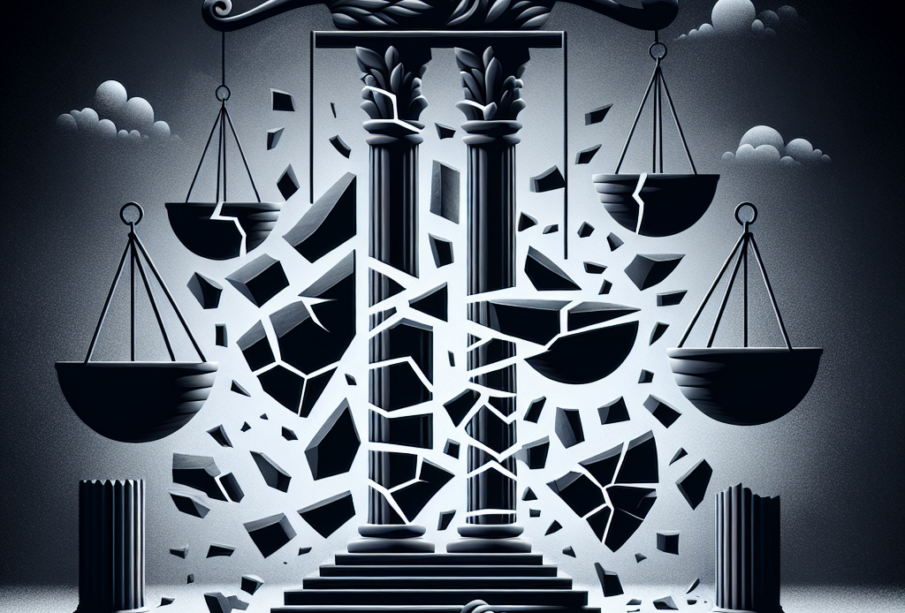
Democratic institutions are designed to promote transparency, accountability, and the rule of law. However, political corruption threatens to undermine these foundational elements. In 2025, several democracies are wrestling with weakened institutions due to endemic corruption. The judiciary, for example, is often compromised when judges are bribed or influenced by corrupt officials, leaving citizens without legal recourse against injustices perpetuated by those in power.
Furthermore, political parties can become entangled in corrupt practices, leading to compromised electoral processes. Campaign financing often blurs the lines between legitimate fundraising and illicit contributions, creating an environment where money buys influence. This is particularly evident in countries with lax regulations on campaign finance, where wealthy donors can significantly shape policy decisions and legislative outcomes, distorting the essence of representative democracy.
Lastly, the media plays a critical role in exposing corruption and safeguarding democratic values. However, in corrupt environments, freedom of the press is often compromised as journalists face intimidation, threats, or even violence for investigating corrupt practices. As of 2025, numerous countries continue to witness the suppression of press freedoms, which further hampers accountability and transparency, creating a vicious cycle that deepens public disillusionment.
Global Responses to Political Corruption
Tackling political corruption requires a multi-faceted approach involving citizens, governments, and international bodies. In 2025, we’re witnessing a global movement toward greater transparency and governance reforms. Countries like Estonia are leading the way in implementing e-governance solutions that promote transparency and reduce opportunities for corrupt practices. Digital platforms allow citizens to track government spending and engage with policymakers, significantly increasing accountability.
International organizations, such as Transparency International and the United Nations, are also playing pivotal roles in fighting corruption. They provide resources, framework guidelines, and advocacy to help nations develop robust anti-corruption strategies. Recent initiatives focus on encouraging countries to adopt stringent anti-corruption legislation and to cooperate internationally to investigate and prosecute transnational corruption. However, the efficacy of these initiatives relies heavily on the political will of individual nations to confront entrenched corruption within their borders.
Education also remains a vital tool in combating corruption. In 2025, educational programs aimed at fostering civic engagement and ethics are increasingly being integrated into school curricula worldwide. By equipping the next generation with knowledge about the importance of integrity and accountability, societies can gradually dismantle the culture of corruption that perpetuates political malfeasance.
Rebuilding Trust in Democratic Institutions
Restoring public trust in democratic institutions following scandals and widespread corruption is a monumental task. One fundamental step is the strengthening of institutional checks and balances. In 2025, countries are exploring innovative governance models that decentralize power and empower local governments to ensure accountability. This not only makes corruption detection easier but also encourages citizen participation in governance.
Continued civil activism is essential in holding leaders accountable. Grassroots movements and protests have the power to compel governments to take corruption seriously. In response to public outcry, many politicians are now facing fierce scrutiny and are more cautious about their actions. Social movements like those seen in Chile and Sudan demonstrate the power of collective action to challenge corrupt systems and advocate for genuine democratic reforms.
Finally, an emphasis on ethical leadership plays a crucial role in rebuilding trust. As of 2025, there is a growing recognition of the necessity for leaders to embody integrity and ethical principles. Training programs for public officials focused on ethical governance and accountability are becoming more common, encouraging a shift towards a culture that prioritizes the public good over personal gain.
Conclusion
Political corruption remains a significant barrier to the proper functioning of democratic institutions in 2025. Its diverse manifestations undermine governance, compromise democratic processes, and erode public trust. However, through global cooperation, technological advancements, and the empowerment of citizens, societies can combat corruption and work towards restoring integrity within their institutions. The path is complex and requires ongoing commitment from all sectors of society to ensure that democracy can flourish free from the chains of corruption.
FAQs
What is political corruption?
Political corruption refers to the abuse of power by government officials for personal gain, which can include bribery, fraud, and other forms of misconduct that undermine the integrity of democratic institutions.
How does political corruption affect democracy?
Political corruption negatively impacts democracy by eroding public trust, distorting electoral processes, and weakening the rule of law, which ultimately leads to lower civic engagement and potential political instability.
What are some recent examples of political corruption?
In 2025, notable examples of political corruption include high-profile scandals in countries like Brazil and Venezuela, where entrenched political elites have faced allegations of bribery and embezzlement, resulting in widespread public dissent.
How can societies combat political corruption?
Societies can combat political corruption through implementing stronger transparency measures, promoting civic engagement, strengthening legal frameworks, and ensuring that public officials adhere to ethical standards.
What role does technology play in fighting corruption?
Technology aids in fighting corruption by increasing transparency, facilitating citizen engagement in governance, and enabling easier tracking of government spending and decisions, thus holding leaders accountable for their actions.