Predicting the Future: NFL Coaches on the Hot Seat

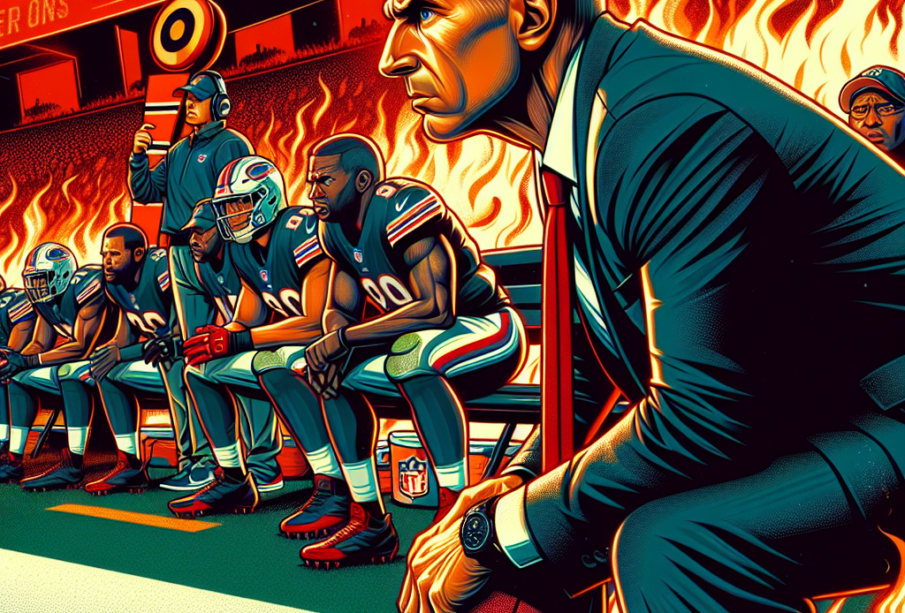
Predicting the Future: NFL Coaches on the Hot Seat
As the NFL continues to evolve in 2025, the pressure mounts on coaches whose teams are underperforming or who have failed to meet expectations. With the league’s competitive nature, it’s become increasingly critical for teams to assess their leadership and make decisive moves to ensure success. The discussion of NFL coaches on the hot seat has become synonymous with the midway point of the season. Identifying which coaches might face the chop by year’s end not only intrigues fans but also impacts the direction of franchises. This article will delve deep into the dynamics of the coaching carousel, examining who is most at risk and why.
Understanding the NFL Coaching Hot Seat
The notion of the “hot seat” in the NFL is one that captures the attention of fans, players, and analysts alike. Coaches find themselves in precarious positions based on a combination of team performance, player development, and expectations from management and fans. The hot seat is often determined by win-loss records, player morale, and the ability to adapt to increasingly sophisticated defensive and offensive schemes in the league. As we analyze the current roster of NFL coaches in 2025, we notice a significant trend: franchises are more willing to make quick decisions if the results don’t meet competitive standards.
This year, the landscape of NFL coaching has seen heightened pressure, with multiple coaches entering the season already facing scrutiny. Factors such as high-profile trades, underperforming stars, and even a lack of fan engagement can all contribute to a coach being placed under the microscope. As franchises look toward long-term success, they must also consider how a coach fits into the overall vision of the team and whether they possess the skill set necessary to lead their squad to victory effectively. Evaluating the context surrounding each coaching position is crucial in determining who might be most at risk as the season wears on.
Key Indicators of Coaches at Risk
There are several critical indicators that can signal whether an NFL coach might find themselves on the hot seat. The first, and possibly the most apparent, is the team’s win-loss record. Coaches often need sufficient winning seasons to remain secure, with the standard bar set around .500 or better, depending on the expectations tied to the franchise. For instance, teams like the Chicago Bears or the New York Jets, who have a history of high expectations, could lead to coaches facing significant scrutiny if they fall short of playoff contention. In 2025, coaches with records lingering below .500 risk being evaluated more harshly as fans and owners demand results.
Another crucial factor is the team’s performance on the field. If a team’s performance appears stagnant or if there’s a lack of growth in player development, this can spark concerns about a coach’s effectiveness. A coach who fails to get the best out of their players—especially high draft picks—may find themselves in a precarious situation. For example, if a young quarterback drafted in the first round is not progressing, the blame can often fall on the coaching staff, leading to questions about their readiness and capability to foster talent in a highly competitive environment.
Hot Seat Coaches of 2025: Who’s Under Pressure?
As of the midway point in the 2025 NFL season, several coaches find themselves under intense scrutiny. Among them is Mike McCarthy of the Dallas Cowboys. Despite a roster brimming with talent, the Cowboys are struggling to maintain consistent performance. Evaluating their record reveals shortcomings that do not align with the high standards set by both management and their passionate fan base. The Cowboys’ playoff promise has not materialized, and whispers of McCarthy’s potential departure have begun circulating among sports analysts and fans alike.
Similarly, the situation is bleak for Brian Flores of the Minnesota Vikings. After a promising start, the Vikings have faltered in crucial games, putting Flores’s job on the line. Questions surround his ability to adapt and innovate in a league that demands constant evolution. As offensive strategies shift with emerging trends, coaches unable to pivot face a stark probability of being replaced. The Vikings, with a passionate fan base and ownership eager for playoff success, will certainly reevaluate Flores’s position if performances do not improve.
Lastly, the Jacksonville Jaguars’ coach Doug Pederson finds himself battling for job security amidst expectations that were high at the season’s outset due to recent roster movements. Injury issues and a struggle to maintain a competitive edge in the AFC South have drawn intense scrutiny, leading to a discussion about whether Pederson can effectively lead this burgeoning young team towards playoff contention or whether a change is needed to spark new life into the squad.
Trends in Coaching Changes
In recent years, we have seen a resurgence of rookie coaches being hired by NFL franchises, often given the reins to lead young teams into the future. This shift seems to indicate that teams are favoring fresh perspectives over established veterans, who may not connect with younger players. The trend towards hiring younger coaches speaks to the NFL’s desire for innovation and adaptability in coaching styles, particularly as teams build around young superstar athletes with unique skill sets.
Additionally, there seems to be a growing trend towards more analytical approaches in team decision-making. Coaches who embrace analytics and data-driven strategies are finding themselves more successful, while those who cling to traditional methodologies may struggle to keep up. As a result, coaches’ job security is increasingly tied to their willingness to adapt to evolving NFL trends. The ability to leverage statistics to inform game strategies and player utilization is becoming a hallmark of the most successful franchises, leading teams to reconsider their coaching staff more frequently if they resist these analytical insights.
Monitoring each team’s coaching staff reveals a wider pattern of impatience among franchises, leading to more frequent mid-season coaching changes. In response to public pressure and the growing demands of social media, we may see certain teams initiate coaching changes earlier in the season than before, which could bide well for a team seeking a spark or quick turnaround. The impact of organizations adopting this strategy can fundamentally shift the narrative about team rebuilding and the expected timelines.
The Future of Coaching in the NFL
Looking into the future of coaching in the NFL, it is clear that the coach’s role will continue to evolve. As the game becomes increasingly fast-paced and complex, there will be a premium on adaptability and innovative thinking. The coaches who can successfully incorporate today’s analytics into their strategies will likely find greater job security. This outlook points toward a future where younger, tech-savvy coaches are preferred, especially those who can communicate effectively with their players and resonate with the new generation of athletes.
Moreover, the importance of emotional intelligence and leadership skills cannot be overstated. Coaches will need to foster strong relationships with their players, creating an environment where athletes feel supported and motivated to excel. As the culture of the NFL increasingly shifts towards mental wellness and player-care initiatives, coaching styles that prioritize empathy and connection will thrive. In 2025 and beyond, teams will likely prioritize these attributes in their coaching searches.
Lastly, as the NFL continues to blend with emerging technologies, we may even witness the role of AI and advanced simulations in coaching strategies. Coaches who can leverage tools that provide insights into opponent methods or predict outcomes based on historical data will be hugely advantageous. Those coaches who understand the profound impact that technology can have on game preparation will certainly position themselves as frontrunners in this highly competitive environment, safeguarding their career longevity while potentially charting new waters for success.
Conclusion
Predicting the future of NFL coaches on the hot seat in 2025 involves analyzing various factors, including organizational expectations, team performance, and the evolving nature of coaching within the league. As franchises continue to seek success in an ultra-competitive landscape, the pressure on coaches will only intensify. Understanding indicators that signify job security or instability can provide insights into how teams might navigate changes in leadership. With trends indicating a shift toward younger, more innovative coaches, those who can adapt both strategically and emotionally will likely find themselves thriving in the years to come.
As we witness coaches like Mike McCarthy, Brian Flores, and Doug Pederson facing the heat, the coaching carousel in the NFL is bound to remain a gripping storyline as each season unfolds. The future may indeed belong to those who not only embrace the challenge but also demonstrate a fervent commitment to growth, adaptability, and connection with their players.
FAQs Section
What does it mean when a coach is on the hot seat?
When a coach is described as being on the hot seat, it means they are under intense scrutiny, typically due to poor team performance or failure to meet expectations. This puts their job security in jeopardy, and they may be at risk of being fired.
How common is it for teams to change coaches mid-season in the NFL?
It is relatively uncommon for teams to change coaches mid-season, but it has become more frequent in recent years. If a team starts poorly or struggles significantly, ownership may decide to make a change in hopes of sparking an immediate turnaround.
What factors lead to a coach being fired in the NFL?
Several factors can lead to a coach being fired, including a poor win-loss record, failure to develop players, loss of team morale, a lack of alignment with team philosophy, or difficulties adapting to current game strategies.
How do teams assess whether to keep or fire a coach?
Teams typically evaluate a coach based on performance metrics, player feedback, interactions with management, and media analysis. They consider long-term trends versus short-term results to make a well-informed decision regarding a coach’s future.
What trends should we look for in the future of coaching in the NFL?
Moving forward, we can expect NFL coaching to trend towards younger, tech-savvy leaders who emphasize analytical strategies, emotional intelligence, and strong player relationships. Adapting to changes within the game and player needs will be critical for coaching success.