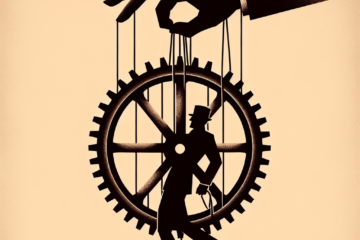
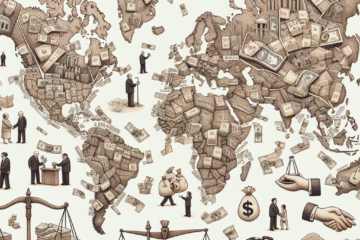
The Case for Limited Government and Individual Freedoms


The Case for Limited Government and Individual Freedoms
In an era marked by unprecedented technological advancements and societal changes, the discussion surrounding the role of government and the importance of individual freedoms has become more critical than ever. As we navigate issues ranging from personal privacy rights to economic regulation, the argument for limited government and the preservation of individual liberties remains relevant. This article aims to delve into the fundamental principles supporting limited government, the implications for individual freedoms, and the benefits of this approach in fostering a vibrant, prosperous society in 2025.
Understanding the Concept of Limited Government
The philosophical underpinnings of limited government trace back to the Enlightenment period, where thinkers like John Locke championed the idea that government exists primarily to protect individual rights. Limited government is predicated on the belief that the authority of the state should be constrained by law, primarily to protect citizens from tyranny and abuse of power. This concept maintains that the government should have only the powers explicitly granted to it by the constitution or the governing legal framework, thereby safeguarding individual freedoms and maximizing personal autonomy.
In contemporary society, advocating for limited government involves recognizing the boundaries that should exist between the state and the personal lives of citizens. The expansion of governmental powers often leads to encroachments on personal freedoms. For instance, the increased surveillance and regulations in many parts of the world in 2025 threaten the very essence of privacy that individuals have historically enjoyed. A limited government approach necessitates that authorities respect the autonomy of individuals by ensuring that any intervention in their lives is minimal and justified, maintaining a balance conducive to both freedom and security.
The Importance of Individual Freedoms in a Democratic Society
Individual freedoms are foundational to democratic society, enabling citizens to express their ideas without fear of retribution. In 2025, as countries increasingly grapple with complex social dynamics and the impacts of misinformation, the preservation of individual rights becomes even more critical. Individual freedoms allow for the free exchange of ideas and foster an environment in which innovation and creativity can flourish. When individuals feel secure in exercising their rights—be it freedom of speech, press, or assembly—they are more likely to contribute thoughtfully to the sociopolitical discourse that shapes their communities.
Moreover, protecting individual freedoms is crucial for socioeconomic development. When citizens are allowed to pursue their interests and ambitions without excessive governmental interference, they can contribute more effectively to the economy. This concept is particularly relevant in 2025, as a global shift toward remote work and entrepreneurship continues to redefine traditional economic structures. Supporting individual freedoms cultivates an entrepreneurial spirit and resilience within the population, ultimately driving economic growth and innovation.
Historical Context of Government Powers and Reforms
The evolution of government power often reflects a tension between the need for order and the desire for freedom. Historical events have shown that governments can expand their reach in times of crisis, leading to permanent changes in how power is delegated. For instance, after significant events like world wars and economic recessions, many governments expanded their authority to impose regulations on businesses and personal freedoms. By 2025, analyzing these historical patterns is essential to understanding the current state of individual freedoms globally.
Post-pandemic recovery efforts in many countries have fostered a climate where government intervention seems necessary to stabilize economies and protect public health. However, these measures often come at a cost to personal liberties. In some regions, the adoption of extensive surveillance measures justified by public health concerns has raised alarms about privacy and freedom. Recalling historical examples emphasizes the importance of vigilance against the continuous potential for overreach, asserting that reforms should focus on limiting governmental power rather than expanding it.
Moreover, the accountability of government bodies plays a necessary role in preventing authoritarianism. By establishing checks and balances, and fostering a culture where citizens are active participants in governance, societies can safeguard individual freedoms. The history of movements pushing back against government overreach provides critical lessons in advocating for limited power and reinforcing individual rights.
Modern-Day Challenges to Individual Freedoms
In 2025, several modern challenges threaten the principle of individual freedoms. The rise of information technology and social media has transformed the landscape of free speech, at times creating tensions between protecting individuals from hate speech and preserving the right to free expression. Governments are grappling with how to regulate online content without crossing the line into censorship. Advocating for limited government necessitates a careful approach to internet regulation that prioritizes free speech while recognizing the need for certain protections.
Additionally, economic regulations aimed at curbing inequality can paradoxically hinder individual freedoms if they lead to excessive governmental control over businesses and economic practices. Policies designed to redistribute wealth or regulate industries heavily can suffocate competition and innovation. In 2025’s rapidly evolving market, businesses need the freedom to adapt and pivot according to consumer needs. Thus, promoting limited government action in the economic sphere can lead to a more dynamic and equitable market system.
Moreover, environmental regulations, while essential in the fight against climate change, must also consider individual and local freedoms. As regulations increase in response to climate challenges, it is vital that governments do not impose one-size-fits-all solutions that might infringe upon local rights and livelihoods. Striking a balance between necessary environmental protections and individual freedoms is a complex challenge that requires nuanced, limited approaches to governance.
Building a Future with Limited Government and Enhanced Freedoms
To promote a future where limited government allows for enhanced individual freedoms, it is crucial to foster a culture of personal responsibility and civic engagement. Empowering individuals to take charge of their lives and communities is a cornerstone of this philosophy. In 2025, educational initiatives that emphasize critical thinking, personal autonomy, and the responsibilities that come with freedoms are vital for cultivating a society that values limited governmental intervention.
Encouraging local decision-making is also essential for creating a responsive and accountable government. By prioritizing local governance and empowering citizens to make decisions that directly affect their communities, we can mitigate the risks associated with centralized power. Local governments often have a better understanding of the unique challenges their communities face and can implement tailored solutions that uphold individual freedoms while ensuring societal welfare.
Finally, promoting transparency and accountability within government institutions is crucial for limiting power. Citizens must demand openness from their leaders, ensuring that governmental actions align with their freedoms and aspirations. In a digital age, initiatives that allow for real-time feedback and monitoring of government actions can empower citizens to hold their leaders accountable and advocate for limited government practices.
Conclusion
The case for limited government and individual freedoms rests on a rich historical foundation and remains relevant in our complex modern society. As we navigate the challenges of 2025 and beyond, fundamental principles advocating for the constraint of governmental power, protection of personal liberties, and the promotion of individual agency must guide our societal framework. Prioritizing these values fosters not only a more prosperous and free society but also ensures that we remain vigilant against the encroachments of authoritarianism.
FAQs
What is meant by limited government?
Limited government refers to a political framework where governmental powers are restricted by law, ensuring that individual rights and freedoms are protected from government interference.
Why are individual freedoms essential in society?
Individual freedoms are crucial as they allow for personal expression, contribute to social and economic development, and enable citizens to participate actively in democratic processes.
How can we ensure that government does not overreach?
Maintaining checks and balances, fostering civic engagement, and promoting transparency in government actions can help prevent governmental overreach and protect individual freedoms.
What role does historic context play in understanding government power?
Understanding historical instances of government overreach helps us recognize patterns and trends, allowing us to identify potential risks and advocate for limited government practices effectively.
Why is a balance between regulation and freedom important?
Finding a balance ensures that necessary regulations—such as those for public health or environmental protection—do not infringe upon personal rights and freedoms, promoting a fair and just society.