The Changing Landscape of Political Alliances in Europe
The Changing Landscape of Political Alliances in Europe
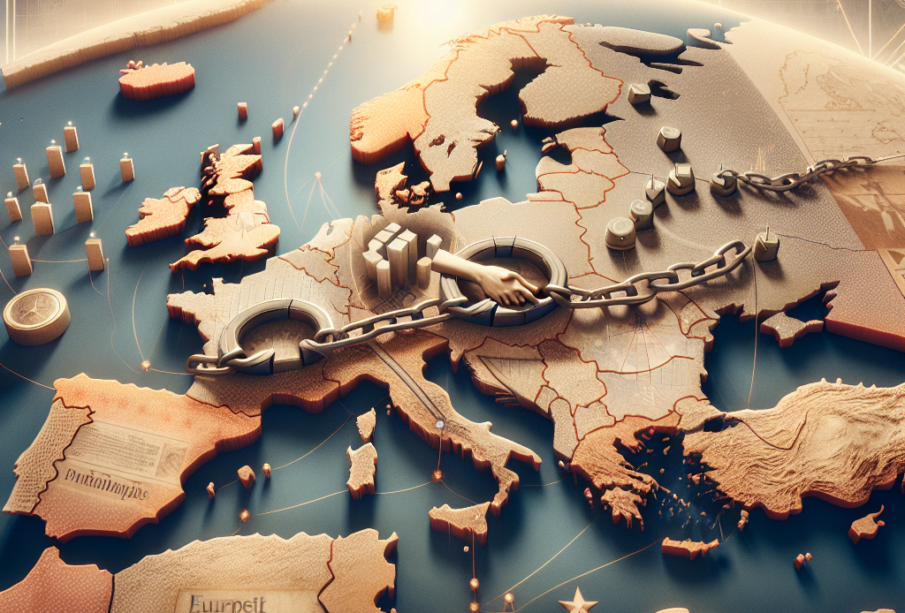
In the year 2025, Europe is witnessing a significant transformation in its political alliances, shaped by global challenges, economic pressures, and shifting public sentiments. The complexities of geopolitical dynamics, the rise of populism, and emergent issues such as climate change and migration have reshaped how countries in Europe collaborate. This article delves deep into the evolving nature of these alliances, examining the factors influencing them and the implications for the future of Europe.
The Rise of Populism and its Impact on Political Alliances
As of 2025, populism continues to play a pivotal role in reshaping political alliances across Europe. The rise of populist movements, characterized by their appeal to national interests, skepticism towards established institutions, and an emphasis on sovereignty, has led to a fragmentation of traditional party lines. Countries such as Hungary, Poland, and Italy have experienced significant shifts toward right-wing populist policies, often challenging the EU’s collective agenda. This shift has created a polarized political environment where the conventional left-right paradigm no longer adequately captures the complexities of voter sentiment.
Furthermore, the populist movements are not only gaining traction within individual nations but are also forging alliances with similar parties across borders. The European far-right has been increasingly collaborating, evident in joint stances on issues like immigration and EU reform. This collaboration has prompted a reconsideration of coalition politics within the European Parliament, undermining traditional alliances between centrist and left-leaning parties. As a result, political discourse has become more contentious, leading to uncertainties about the future of EU policies and the broader European integration project.
Shifts in Traditional Political Alliances
The established political alliances in Europe, particularly those formed during the post-World War II era, are undergoing a profound transformation. The consequences of Brexit have had rippling effects, prompting countries to reevaluate their relationships and dependencies on one another. For instance, with the United Kingdom no longer a member of the EU, the dynamics of power within the union have shifted, amplifying the influence of larger member states like Germany and France. These nations have had to adapt to a new reality where alliances are not only based on historical ties but also on pragmatic responses to contemporary challenges.
Moreover, as the European Union grapples with internal and external pressures, member states are increasingly seeking alliances beyond traditional frameworks. Global events, such as the rise of China and tensions with Russia, have encouraged European countries to form strategic partnerships with non-EU nations or blocs. This realignment is evident in the growing interest in subscription to trade and security agreements with the United States and countries in the Indo-Pacific region. Consequently, the changing landscape of political alliances in Europe is increasingly characterized by bilateral agreements and coalitional politics that transcend the traditional frameworks of the EU.
The Role of Climate Change in Reshaping Alliances
In 2025, climate change has emerged as a definitive criterion for reshaping political alliances across Europe. As the continent faces increasing weather extremes, rising sea levels, and public pressure for sustainable actions, political stakes around environmental policies have heightened. Nations that prioritize green initiatives, such as Sweden and Denmark, are finding common ground with other countries to advocate for bold climate actions within both EU and global contexts. This has resulted in an emerging alliance known as the “Green Bloc,” uniting progressive parties across Europe dedicated to ambitious climate goals.
Conversely, countries that resist stringent climate policies often find themselves increasingly isolated, which can further influence their domestic political landscapes. The push for climate action has resulted in new coalitions, such as the collaboration between younger pro-climate movements and established parties. This dynamic interplay not only reshapes political allegiances but also impacts electoral outcomes, prompting parties to reframe their platforms around sustainability issues to remain relevant. The seriousness of climate change is thus redefining the priorities of political alliances and creating common cause among often disparate nations.
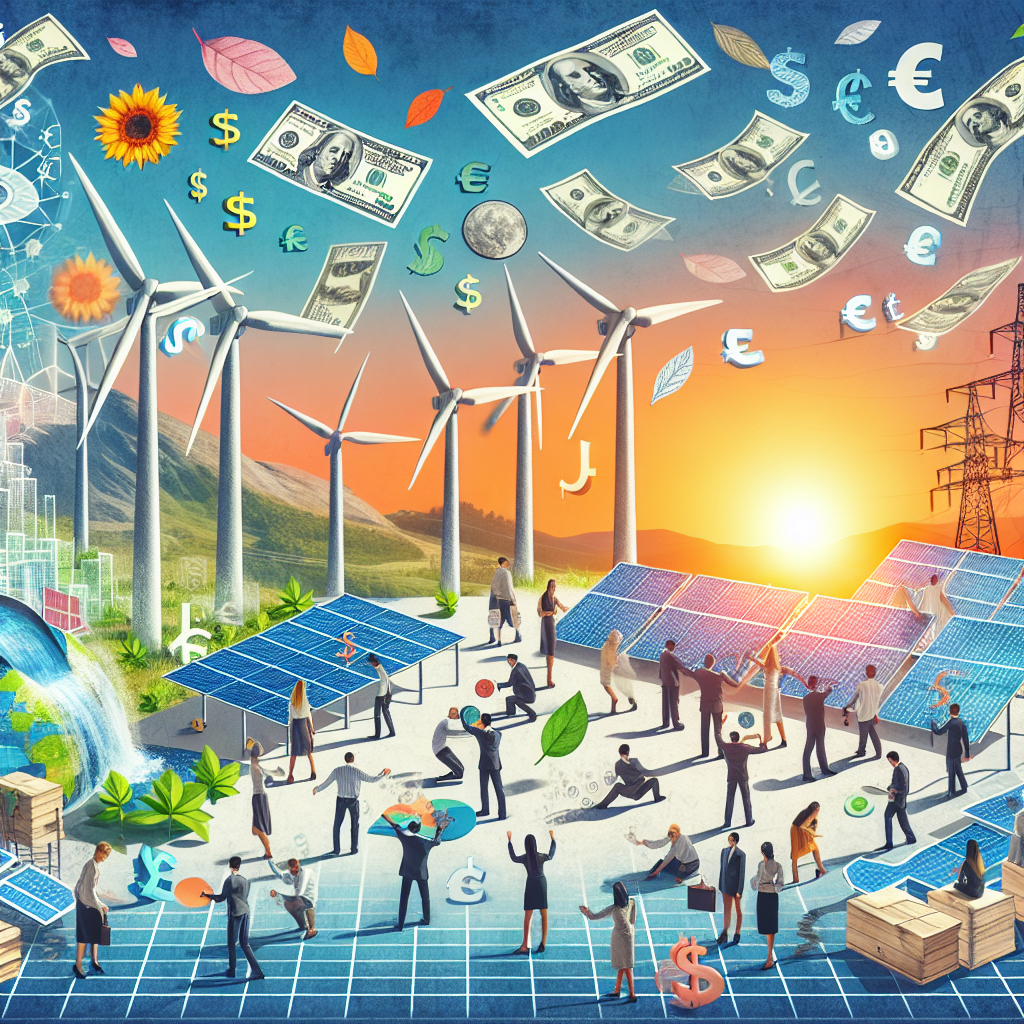
Moreover, energy independence has taken on a new significance in the context of climate action. The push for renewable energy sources has sparked partnerships between countries rich in green technologies and those looking to transition from fossil fuels. Germany’s focus on renewable energy exports and collaboration with countries in Scandinavia illustrates this new alignment driven by mutual benefits in energy transition. The future of Europe’s energy landscape is likely to dictate not only national policies but also the permanence and evolution of these alliances in the years to come.
The Economic Factors Influencing Political Alliances
In 2025, economic factors remain at the forefront of the shifting political alliance landscape in Europe. The aftershocks of economic downturns caused by global events, such as the COVID-19 pandemic and geopolitical tensions, have led to increased scrutiny of fiscal policies and economic cooperation among member states. Countries with stronger economies are now faced with calls for greater fiscal solidarity, particularly from southern European nations that have historically struggled with debt crises. This situation has necessitated a delicate balancing act, where wealthier nations, notably Germany and France, must navigate demands for financial aid while addressing domestic concerns over financial accountability.
Furthermore, the economic impact of digital transformation and technology-driven change has reshaped alliances and created new dependencies among EU nations. As technology becomes a key driver of economic growth, countries that specialize in digital innovation and development are forming coalitions to leverage their strengths. Initiatives such as the Digital Europe programme reflect this collaborative spirit, epitomizing how states are uniting to promote shared technological interests. The focus on technology as an economic driver is likely to lead to new alliances based not just on geographical proximity but increasingly on shared innovation goals.
Additionally, post-pandemic recovery efforts emphasize the necessity for economic cooperation among European countries. The EU’s recovery plan, aimed at fostering sustainable growth, has nudged countries to collaborate on a broad array of economic policies. The varying paces of recovery reflect divergent political agendas, challenging long-standing alliances. As economies respond differently to recovery measures, the future of alliances in Europe appears increasingly contingent on collective economic performance and resilience.
Geopolitical Tensions and Their Effects on Alliance Formation
Geopolitical tensions have significantly influenced the changing landscape of political alliances in Europe by reshaping strategic relationships. As of 2025, European nations are particularly concerned about the implications of rising tensions between global powers such as the United States, China, and Russia. The ongoing conflict between Russia and Ukraine has prompted NATO and EU countries to reassess security alliances. Consequently, Western European countries are strengthening their defense commitments with Eastern European allies, recognizing the need for a unified response to external threats. This shift has led to renewed discussions around collective security arrangements and enhanced military cooperation.
Furthermore, the “East vs. West” divide is becoming increasingly prominent in European politics, resulting in a recalibration of alliances. Countries that historically leaned towards Moscow, such as Hungary, are encountering pressure from other EU member states advocating for a more unified stance against Russian aggression. This discord not only challenges traditional political allegiances but can also result in internal strife within the EU, as member states grapple with differing perspectives on national security and foreign policy.
The ramifications of these geopolitical shifts are evident in the increasingly complex nature of European alliances. The rise in defense spending, combined with collaborative military exercises among EU nations, reflects a growing recognition of the need for mutual security. This urgency has spurred NATO countries to enhance their defensive posture while forming new coalitions with non-NATO members. As the geopolitical landscape continues to evolve, the responses of European nations will shape future alliances, both politically and militarily.
Conclusion
The changing landscape of political alliances in Europe in 2025 reflects a multifaceted evolution spurred by various national and global factors. From the rise of populism to economic pressures and the pressing need for sustainable solutions to climate change, the traditional alliances that once defined European politics are now being tested. Geopolitical tensions further complicate this landscape, creating a need for cooperation and adaptation among nations. As these dynamics continue to unfold, the future of European alliances appears to be characterized by greater flexibility, collaboration, and redefinition, laying the groundwork for new political realities on the continent.
FAQs
What are the main factors influencing the changing political alliances in Europe?
Key factors include rising populism, economic pressures, climate change challenges, and geopolitical tensions, all of which have prompted countries to reassess their traditional alliances.
How does climate change impact political alliances in Europe?
Climate change drives a new alignment of countries advocating for green policies and collaborations, leading to the formation of coalitions dedicated to ambitious climate goals and sustainable energy transitions.
What role does economic recovery play in shaping political alliances?
The economic recovery process post-pandemic necessitates cooperation among EU nations, as differing recovery trajectories influence alignment decisions and foster new collaborations based on shared economic interests.
How are geopolitical tensions altering alliances within Europe?
Geopolitical tensions, particularly the conflict between Russia and Ukraine, have prompted enhanced cooperation among NATO and EU nations, reshaping traditional alliances around security and defense considerations.
What does the future hold for political alliances in Europe?
The future will likely see a more dynamic and reshaped landscape characterized by fluid alliances responding to emerging challenges, fostering new collaborations that prioritize shared interests, security, and sustainability.