The Effect of Gaffes in Political Debates: A Case Study

The Effect of Gaffes in Political Debates: A Case Study
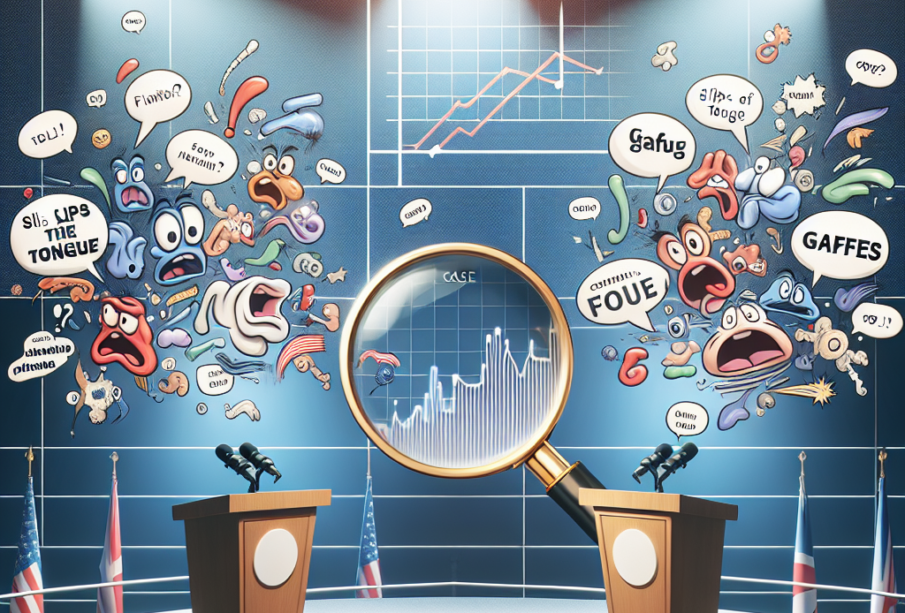
In today’s fast-paced political landscape, one misstep can reverberate throughout an entire election cycle. The effect of gaffes in political debates is a topic that merits closer examination, especially as we approach the pivotal election year of 2025. Gaffes — those unintended blunders or verbal errors made by candidates — not only influence public perception but can also sway election outcomes. This article explores the dynamics of gaffes in political debates, assessing their implications and offering insights through a contemporary case study that highlights the power of words in shaping political narratives.
The Psychology of Gaffes in Political Debates
Gaffes in political debates are more than mere slip-ups; they can reveal underlying character traits and affect voter psyche significantly. When candidates stumble over their words or express controversial opinions, voters often interpret these as insights into their authenticity and capability. Psychologically, individuals may retain a vivid memory of gaffes due to the concept of negativity bias, where negative events weigh more heavily on perceptions than positive ones. For instance, a single poorly timed joke or an awkward moment can overshadow a candidate’s carefully curated message, positioning the gaffe as a dominant narrative in media coverage.
Furthermore, the emotional response elicited by gaffes can catalyze intense discussions among viewers and voters. During debates, the immediacy of social media allows these moments to be shared, dissected, and discussed almost instantaneously. As a result, the ripple effects of a gaffe can amplify beyond the initial debate context, embedding itself in the broader electoral conversation and impacting candidates’ reputations long after they leave the stage. An example from the previous election cycle included a candidate’s slip regarding a contentious policy that spiraled into a viral moment, distracting from critical debate issues.
Historical Context of Gaffes in Political Campaigns
The phenomenon of gaffes is not a new one; it has been a part of political discourse for decades. Historical instances, such as former Vice President Dan Quayle’s notorious misspelling of “potato,” illustrate how a single misstatement can overshadow a political career. Fast forward to the modern age, and the stakes have only grown higher. As technology and social media have evolved, so too has the potential for gaffes to escalate. In the 2020 election, both major party candidates faced numerous public slip-ups that altered their trajectory, reflecting the dangers posed by the modern political environment.
In addition, the context in which debates occur has shifted. The rapid cycle of news and the prevalence of fact-checking organizations mean that candidates must be exceedingly careful with their speech. The 2024 presidential debates underscored this, with each candidate acutely aware of how a misstep could become headline news within minutes. The advent of live fact-checking has also changed the game, placing additional pressure on candidates and increasing the fallout from any misinterpretation or error, thus further complicating the political landscape.
Analyzing a Recent Case Study: 2024 Political Debates
The 2024 political debates provide a rich case study in understanding the effect of gaffes. During these debates, one of the candidates, known for their conservative stance, made a surprising comment regarding economic policies. Following the debate, this remark was amplified by both supporters and detractors, drawing polarized reactions. For many, this gaffe represented a fundamental misunderstanding of economic principles, leading to widespread discussions on social media platforms where memes and mockery proliferated. In contrast, the candidate’s supporters quickly attempted to frame the statement as a misinterpretation, but the damage had already been done.
As polling data revealed, this gaffe led to a notable dip in approval ratings, particularly among undecided voters who perceived the remark as a reflection of the candidate’s overall competency. Subsequent debates saw the candidate frequently attempting to clarify and reshape their narrative around that gaffe. However, the swift reaction from political commentators and the voting public highlighted an important lesson: once a gaffe becomes part of the narrative, it requires a proficient communication strategy to reposition itself effectively.
Additionally, the candidate’s opponent capitalized on this moment effectively, reinforcing their narrative of being a more knowledgeable and competent choice. This exemplifies the strategic use of gaffes by opposing parties to sway public opinion, showcasing how a single slip-up can be weaponized in a contentious electoral scenario. Ultimately, the case study emphasizes the vital importance of preparation and the potential ramifications of miscommunication in a high-stakes environment.
Media’s Role in Amplifying Gaffes
Media plays a crucial role in amplifying the effects of gaffes during political debates. Traditional media, online platforms, and social networks are increasingly interconnected, creating a cycle that can turn minor errors into major stories. Once a gaffe occurs, media outlets are quick to pick it up and analyze it, often using it as clickbait to draw in viewers. This not only magnifies the gaffe’s impact but can also perpetuate its narrative for days or even weeks following the debate. The 24-hour news cycle thrives on sensationalism, and gaffes are the quintessential example of how media can transform a moment of spontaneity into an enduring topic of discussion.
Moreover, platforms like Twitter and TikTok have changed how gaffes are communicated and discussed. The virality of a short video clip can lead to broader and quicker dissemination than traditional media ever could. During the 2024 debates, several gaffes were encapsulated in shareable clips, often accompanied by humorous commentary, which garnered millions of views and significantly influenced public perception. This instantaneous nature means that candidates now have to be savvy not only in their debates but also in their understanding of media dynamics and audience reactions.
Ultimately, the interplay between media and political gaffes demonstrates the necessity for candidates to strategically manage their communication, ensuring that they are not just prepared for the content of their speeches but also for the media environment that will respond to them. Missteps can no longer be brushed aside; they need to be anticipated and addressed, underscoring the importance of media literacy in today’s political landscape.
Strategic Responses to Gaffes
In addressing and mitigating the effects of gaffes, candidates must adopt informed and strategic responses. The aftermath of a gaffe can determine whether it becomes a lasting part of the political discourse or fades into obscurity. Effective damage control often involves a swift acknowledgment of the error, followed by a thoughtful explanation or clarification. This was seen in the aftermath of a significant gaffe from a candidate in the 2024 debates, who managed to regain some ground by promptly issuing a follow-up statement, reinforcing their core beliefs while downplaying the misstep in question.
Moreover, candidates can rebuild their narratives by redirecting the conversation towards their policy strengths or personal stories that resonate with voters. Engaging with the public through town halls or social media can create a sense of connection that allows candidates to humanize themselves amidst the controversy, diverting attention from the gaffe. For instance, post-debate discussions often included these candidates personally addressing constituents, showcasing their commitment to engaging with the electorate.
Lastly, employing humor can be a powerful tool for candidates looking to dispel the negativity surrounding a gaffe. By turning a moment of awkwardness into a relatable experience, candidates can rebuild trust and show their more human side. This strategy was effectively demonstrated in the previous election cycle when a candidate utilized self-deprecating humor to transform the narrative surrounding their gaffe, thereby regaining some favor with the electorate. By demonstrating resilience and adaptability, candidates can navigate the turbulent waters of political debate and emerge with their reputations intact.
Conclusion
The effect of gaffes in political debates is a multifaceted issue that intertwines psychology, media dynamics, and strategic communication. As evidenced by the 2024 debates, a single misstatement can have far-reaching consequences that alter public perception and impact election outcomes. Candidates must remain vigilant and prepared, knowing that in today’s hyper-connected world, words weigh heavily and gaffes can easily become defining moments. By understanding the power of gaffes, politicians can better navigate the complexities of the electoral process, turning potential pitfalls into opportunities for engagement and connection with voters.
FAQs
What is a political gaffe?
A political gaffe is an unintentional mistake made by a candidate during a speech or debate, often involving misstatements, awkward phrasing, or controversial comments that can negatively impact their public image.
How do gaffes affect voter perceptions?
Gaffes can significantly shape voter perceptions, leading to doubts about a candidate’s intelligence, competency, or overall character. Voters often remember gaffes more vividly than positive statements, which can impact polling and election outcomes.
Can candidates recover from a gaffe?
Yes, candidates can recover from gaffes by acknowledging their mistakes, clarifying their statements, and actively engaging with voters. Strategic use of humor and a focus on building a positive narrative can also mitigate potential damage.