The Impact of Fake News on Political Discourse

Introduction
In recent years, the spread of fake news has become a pressing concern for societies worldwide, significantly impacting political discourse. As we move further into 2025, the ramifications of misinformation are increasingly felt across various sectors, particularly in politics, where public opinion is shaped by what individuals consume online. This article delves into the multifaceted impact of fake news on political discourse, exploring its origins, consequences, and potential solutions to combat its spread.
Understanding the Phenomenon of Fake News
The term “fake news” refers to misinformation or disinformation presented as genuine news, often designed to mislead or manipulate the audience’s perception of reality. The evolution of digital media has accelerated the spread of fake news, with social media platforms serving as primary vehicles for its dissemination. In 2025, it is evident that misinformation can travel faster than the truth, creating an environment where opinion often supersedes factual reporting. This phenomenon has significant implications for democratic processes, individual voting choices, and overall political engagement.
The origins of fake news can be traced back to a combination of factors, including the desire for sensational headlines, the blurred line between news and entertainment, and the strategic interests of partisan groups. As people increasingly rely on digital sources for information, distinguishing between credible journalism and fabricated content becomes more difficult. In 2025, major social media platforms are taking steps to mitigate the spread of misinformation; however, users must remain vigilant and discerning.
The Consequences of Fake News on Political Engagement
The consequences of fake news are felt most acutely in political engagement, where misinformation can drastically alter perceptions and attitudes. In 2025, research indicates that individuals exposed to fake news are more likely to develop polarized viewpoints, leading to increased division among the electorate. When people consume political information that aligns with their preexisting beliefs, it reinforces their biases and fosters an echo chamber effect. This creates a society where healthy debate and dialogue become increasingly elusive.
In addition to polarization, fake news impacts voter turnout and civic participation. Misinformation can demotivate certain groups and create apathy towards the electoral process. For example, if a demographic feels misrepresented or disillusioned due to fake news narratives, they may choose not to engage in political activities altogether. This decline in active participation can undermine the foundations of democracy, which rely on informed voters to make sound decisions at the ballot box.
Fake News and Its Role in Polarization
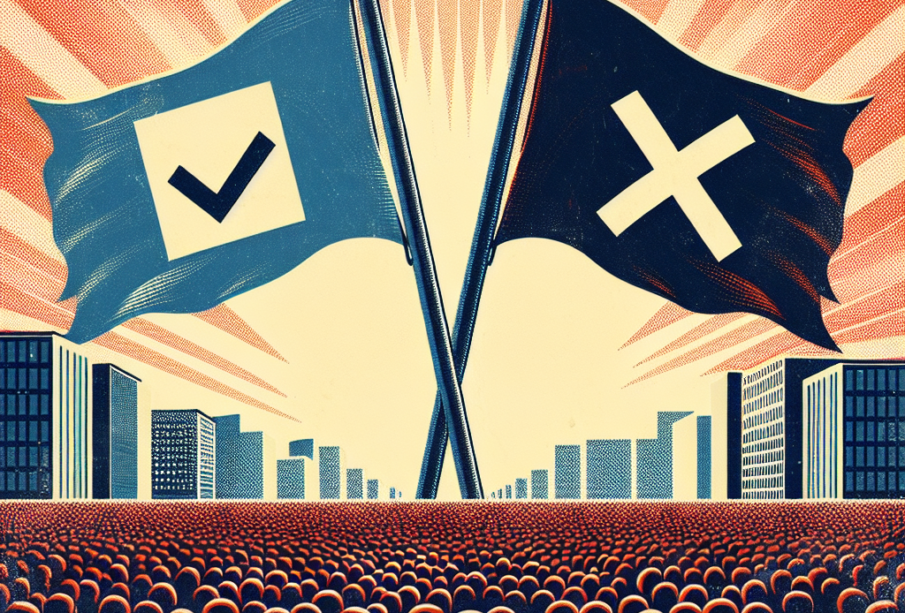
One of the most alarming impacts of fake news on political discourse is its role in deepening polarization. In the landscape of 2025, studies demonstrate that exposure to intentionally misleading information not only hardens individuals’ existing beliefs but also perpetuates mistrust among different political factions. This polarization creates an environment where compromise is viewed as a weakness, further complicating the already challenging dynamics of governance.
The rise of tailored content algorithms on social media platforms has exacerbated this issue. These algorithms prioritize engagement, often promoting sensational or emotionally charged content over more balanced reporting. In this context, users are more likely to encounter fake news that aligns with their views, reinforcing their ideological bubbles. As citizens become more entrenched in their beliefs, the opportunities for constructive dialogue diminish, inhibiting collaborative solutions to pressing societal issues.
Moreover, fake news can skew public perception, ultimately affecting policy-making and legislation. Lawmakers may find themselves responding to misconstrued public sentiments stemming from misleading information, rather than the actual needs and opinions of their constituents. This can lead to ineffective or misguided policies that fail to address the fundamental challenges facing communities in 2025 and beyond.
Strategies to Combat Fake News in Political Discourse
With the detrimental effects of fake news becoming increasingly evident, various strategies have emerged to combat its spread and mitigate its influence on political discourse. Education plays a crucial role in this fight; teaching media literacy in schools and adult education programs has gained traction in 2025. By equipping individuals with the skills necessary to critically evaluate sources and discern credible information, society can become more resilient against misinformation.
Additionally, public awareness campaigns are pivotal in addressing the fake news crisis. Governments, non-profits, and media organizations are working together to promote truth in journalism and encourage responsible media consumption. As part of these initiatives, fact-checking services have become more widespread, enabling citizens to verify the accuracy of claims before sharing information. These collaborations aim to ensure that people understand the importance of validating sources and recognizing the signs of misinformation.
Social media platforms, crucial players in the dissemination of information, are also implementing stricter measures to tackle fake news. In 2025, initiatives such as labeling misleading content, promoting authoritative news sources, and algorithm adjustments to prioritize fact-based articles are being actively employed. However, the responsibility also lies with the users to be proactive in their consumption habits, actively seeking out reputable sources and engaging in thoughtful discussions about political issues.
The Future Impact of Fake News on Democratic Processes
As we progress through 2025, the impact of fake news on democratic processes looms large. The risk is not merely a short-term consequence; rather, misinformation threatens the very foundation of democracy itself. With citizens increasingly relying on social media for political information, the potential for foreign interference and domestic misinformation campaigns has risen sharply. Consequently, safeguarding electoral processes from coordinated disinformation efforts has become paramount for the integrity of future elections.
Moreover, the future political landscape may witness an ongoing struggle between censorship and free speech. As platforms attempt to filter out fake news, they must also navigate the complex landscape of protecting user rights while promoting factual information. This ongoing tension necessitates a nuanced approach, balancing the need for truth with respect for democratic freedoms.
Ultimately, addressing the impact of fake news on political discourse calls for comprehensive, multifaceted approaches that engage all stakeholders involved – citizens, educators, policymakers, and media organizations. By fostering dialogues that prioritize transparency, critical thinking, and responsible information-sharing, society can combat the proliferation of fake news and work towards a more informed political landscape.
Conclusion
The impact of fake news on political discourse is profound and far-reaching. As demonstrated in this article, its consequences permeate every aspect of society, contributing to polarization, undermining democratic processes, and challenging the very essence of informed political engagement. Moving forward, combatting fake news will require a collective effort that includes education, awareness campaigns, and proactive decision-making by all individuals involved in the dissemination and consumption of information. As we continue to face the challenges posed by misinformation, our commitment to truth and accountability must guide our political discourse toward more productive and inclusive outcomes.
FAQs Section
What constitutes fake news?
Fake news refers to fabricated or misleading information presented as factual news, often to deceive or manipulate public opinion. It can take many forms, from entirely fictitious articles to biased reporting that distorts reality.
How does fake news affect voter behavior?
Fake news can polarize electorates and manipulate public perceptions, leading to misinformed voting choices. It can also dissuade individuals from participating in elections due to feelings of disillusionment or apathy.
What can be done to combat fake news?
Combating fake news requires a combination of education on media literacy, public awareness campaigns, and active efforts from social media platforms to minimize the spread of misinformation while promoting accurate reporting.
Are there legal ramifications for spreading fake news?
Laws surrounding fake news vary by country, but many legal frameworks are evolving to address misinformation. This includes regulations aimed at holding platforms accountable for the spread of false information.
How do social media algorithms contribute to the spread of fake news?
Social media algorithms prioritize engaging content, which often leads to the amplification of sensational or biased news. This creates echo chambers where users are exposed primarily to information that aligns with their existing beliefs.
By delving deep into the multifaceted impact of fake news, this article aims to provide readers with a thorough understanding of the current landscape and encourage proactive measures against misinformation in political discourse.