The Most Daring Olympic Records of All Time

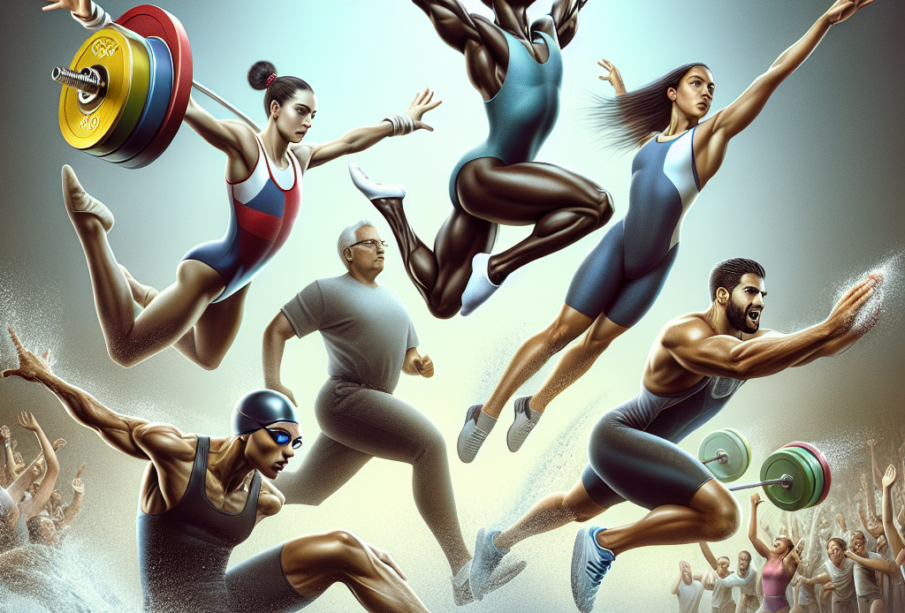
The Olympic Games have always been the pinnacle of human athletic achievement, where athletes push their limits in pursuit of glory and excellence. Amidst the extensive history of this multi-sport event, there have been records set that defy the principles of possibility. These daring feats by world-class athletes showcase not only remarkable talent but also a deep-seated passion for competition that inspires generations to come. In this article, we will explore some of the most daring Olympic records in history, celebrating the audacity and spirit that define the Olympics.
The Most Daring Olympic Feats Ever Attempted
The Olympics have seen numerous extraordinary events that pushed athletes to their physical and mental extremes. One of the most daring records was set in the 2008 Beijing Olympics by Usain Bolt. The legendary sprinter shattered the world record in the 100 meters, clocking in at 9.69 seconds. What made this achievement especially daring was Bolt’s audacious celebration in the final meters of the race—he slowed down, looked around, and even gestured to the crowd before crossing the finish line. His confidence and showmanship not only earned him gold but showcased how elite athletes can embrace the moment with such exuberance.
Another daring record was set by American swimmer Michael Phelps in the 2008 Beijing Olympics. Phelps accomplished the nearly impossible feat of winning eight gold medals in a single Olympic Games, surpassing Mark Spitz’s record of seven gold medals achieved in 1972. To achieve this incredible milestone, Phelps had to dominate multiple events, including the tumultuous 200m butterfly and 400m individual medley, showcasing versatility and endurance. His determination and commitment to his craft exemplified the essence of the Olympics—the tireless pursuit of excellence.
Records Set Against All Odds
Some daring Olympic records have emerged in the face of extraordinary challenges, showcasing the athletes’ resilience and tenacity. Take the case of the 1996 Olympic Games in Atlanta when swimmer Amy Van Dyken became the first female athlete to win four gold medals in a single Olympic event, triumphing in the 50m and 100m freestyle, as well as in both medley relays. Van Dyken’s record was not merely about speed; it represented a turning point in women’s sports—a powerful message about female athleticism at a time when it needed to be heard.
Moreover, the 2020 Tokyo Olympics were marked by unique challenges, including a pandemic and restrictions on international travel. Nevertheless, 19-year-old skateboarder Momiji Nishiya set a daring Olympic record by winning gold in the inaugural women’s street skateboarding event. Nishiya’s triumph proved that even under adverse circumstances, new records can emerge when the spirit of athletes is unyielding. This particular record not only exemplifies bravery but also highlights the evolution of the Olympic Games to adapt to modern sports, making it a landmark moment in Olympic history.
Unforgettable Moments of Courage and Resilience
In the pantheon of daring Olympic records, there exists a collection of moments that define character and resilience. Consider the feat of the American gymnast Kerri Strug during the 1996 Atlanta Games. Strug’s performance in the team vault final was marked by an injury that would have sidelined many athletes. Yet, fueled by sheer willpower, she completed her second vault—a landing that clinched the gold for the U.S. women’s gymnastics team. This courageous act has become emblematic of Olympic spirit, where athletes endure tremendous pain and hardship to achieve greatness for themselves and their country.
In addition, the incredible performance of Ethiopian long-distance runner Abebe Bikila during the 1960 Rome Olympics stands out. Competing barefoot, Bikila won the marathon in a record time of 2:15:16, a daring move that demonstrated his profound connection to the sport. His victory was not just a personal triumph but signified a significant socio-political moment, showcasing African excellence on the global stage. Bikila’s win opened doors for other African runners, illustrating the power of daring to be different and redefining the standards of the marathon.
Lastly, during the 2020 Tokyo Games, the event of high jumper Gianmarco Tamberi and Qatar’s Mutaz Essa Barshim breaking convention together in the men’s high jump final is worth noting. Instead of competing in a tiebreaker, both athletes chose to share the gold medal after a thrilling round of jumps. This audacious decision shattered norms of individual competition, promoting camaraderie and mutual respect among rivals. This moment remains a significant example of sportsmanship that transcends the mere pursuit of personal glory, highlighting how daring acts of kindness can redefine records beyond mere numbers.
Innovative Records that Changed Sports
The Olympics are not only a stage for physical prowess but also a proving ground for innovation in sports. One remarkable example is the breakthrough in the swimming arena. At the 2008 Beijing Olympics, swimmers used newly developed bodysuits designed with advanced materials that reduced drag and enhanced performance. These suits enabled multiple world records to be broken, as athletes like Michael Phelps and Ryan Lochte capitalized on the technology. While the use of such high-tech gear sparked debates about fairness, it undeniably transformed the landscape of competitive swimming forever.
Similarly, the introduction of sports analytics and coaching technologies has led to transformative records in various disciplines. By 2025, the use of wearable technology, data analytics, and video analysis has become integral to training regimens for Olympic athletes. These advancements allow coaches and athletes to track performance metrics meticulously, and identify areas for improvement, leading to unprecedented levels of preparedness. The result? A slew of new records being set, arising from a combination of raw talent and scientific precision in training.
Furthermore, the format of Olympic events has evolved drastically, allowing for innovative records to be created. The inclusion of sports like skateboarding, surfing, and 3×3 basketball in the Olympic roster showcases a shift toward engaging younger audiences. The daring performances of athletes in these sports challenge traditional perceptions about what the Olympics should encompass. Encounters like the heart-stopping competition in the inaugural Olympic skateboarding event have led to the emergence of new records that captivate the imagination of millions, providing fresh narratives within the storied Olympics.
Challenging the Boundaries of Human Potential
When discussing daring Olympic records, it is impossible to overlook the unparalleled feats that have redefined our understanding of human potential. One of the most iconic examples is the legendary record of American swimmer Caeleb Dressel, who made waves during the 2021 Tokyo Olympics by winning five gold medals. His remarkable versatility and speed in the pool represented not only individual brilliance but also challenged the limits of what athletes can achieve in a competitive environment. Dressel’s audacity to push his limits and his unwavering focus became a beacon of inspiration for aspiring swimmers around the globe.
Additionally, the remarkable performance of British cyclist Laura Kenny during the 2020 Tokyo Olympics further underscores this theme of radical achievement. By successfully defending her title in the women’s omnium, Kenny became the first woman in Olympic history to win five gold medals in cycling. Her dedication to breaking barriers for women in sports and her phenomenal achievements illustrate a transformational narrative in Olympic history, shedding light on the opportunities available for female athletes in competitive arenas.
Moreover, the daring records of mixed-gender relay teams reflect a paradigm shift in how the Olympics are perceived. The introduction of mixed-gender events in athletics and swimming showcases a commitment to inclusivity and equality, challenging athletes to collaborate and compete in new ways. Records established in these categories represent not just individual accomplishments but the unifying spirit of the Olympic Games. This spirit fosters broader participation and the ideal that boundaries are meant to be pushed for the greater good, paving the way for exciting future possibilities.
Conclusion:
Olympic records are a testament to the human spirit, embodying daring achievements that inspire individuals across the globe. From Usain Bolt’s audacious sprinting celebration to Kerri Strug’s unforgettable landing, these records transcend numerical milestones—they tell stories of courage, resilience, and innovation. As we look forward to future Olympic Games, the legacies of these daring records remind us that the pursuit of greatness is often about challenging the limits and redefining what is possible in sports.
FAQs Section
What are some of the most famous Olympic records of all time?
Some of the most famous Olympic records include Usain Bolt’s 100m sprint record of 9.69 seconds, Michael Phelps’ eight gold medals in a single Olympic event, and Bob Beamon’s long jump record of 8.90 meters set during the 1968 Mexico City Olympics.
Which female athlete holds the most Olympic gold medals?
As of 2025, American swimmer Katie Ledecky holds the record for the most Olympic gold medals won by a female athlete in swimming, accumulating numerous golds over successive Olympics, including the 2012, 2016, and 2020 Games.
How do Olympic records impact the future of sports?
Olympic records inspire future generations of athletes, setting benchmarks for performance that encourage aspiring sports stars to push boundaries. They also foster advancements in training techniques and sports science that continually evolve athletic capabilities.
What new sports were added to the Olympics recently?
The 2020 Tokyo Olympics saw the introduction of skateboarding, surfing, and 3×3 basketball, reflecting a modernized approach to the Olympics and engaging a younger audience. These events also created new opportunities for daring records.
How are Olympic records verified and maintained?
Olympic records are verified by the International Olympic Committee along with relevant sports federations, ensuring that measurements, timings, and conditions meet strict regulations. Changes in sports and technology can lead to reevaluation of record statuses.