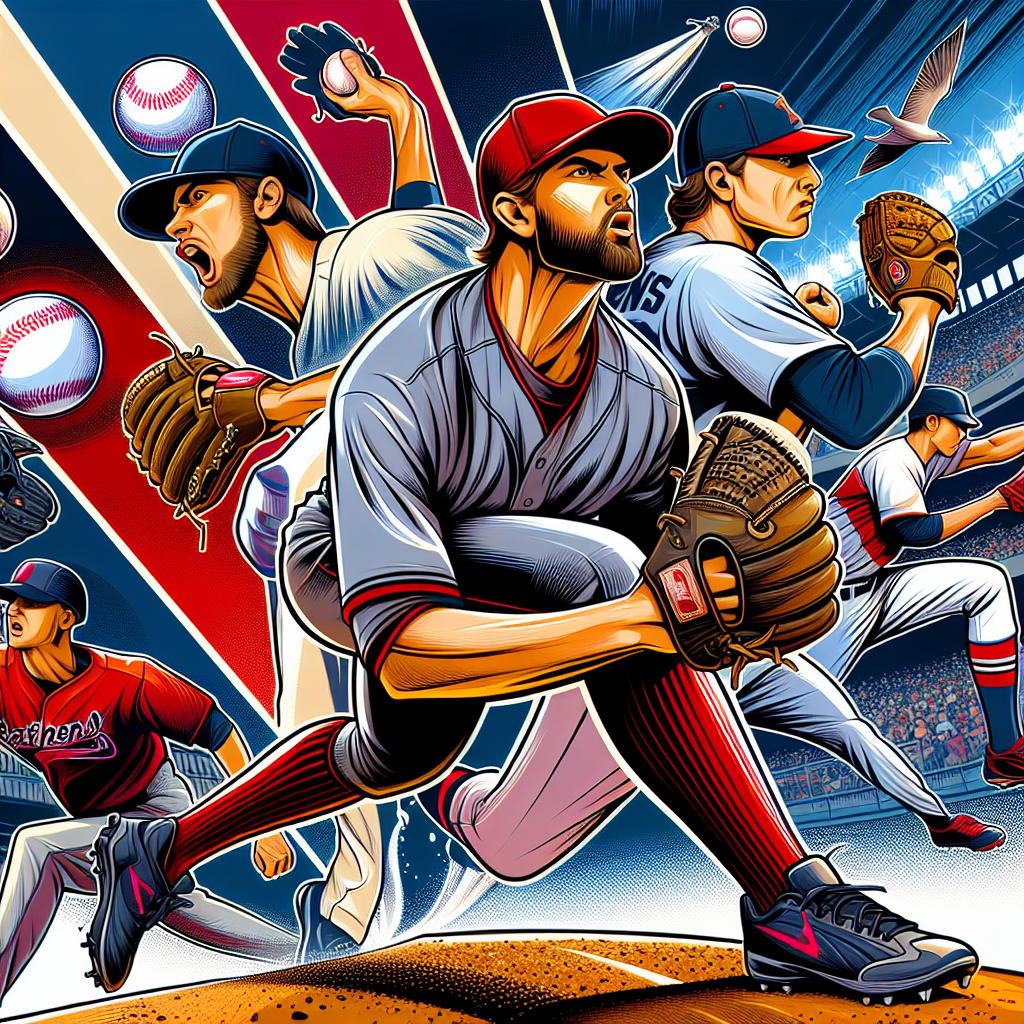
The Relationship Between Commentators and Athletes


The relationship between commentators and athletes is a dynamic facet of sports that shapes viewers’ experiences and influences the narratives surrounding games and competitions. As the sporting world continues to evolve in 2025, the interplay between these two groups has never been more significant. This article delves deeply into the multifaceted dynamics between commentators and athletes, exploring how their interactions enrich sports and impact fans globally.
The Role of Commentators in Modern Sports
Commentators have become indispensable in the world of sports. They serve not just as voiceovers for the action on the field but as storytellers who create a narrative that brings context to the game. Their role has evolved from merely describing plays to analyzing strategies and providing insightful analysis on athletes’ performances. With the rise of digital platforms and streaming services, commentators now have the unique ability to reach broader audiences, enhancing their influence on public perception of athletes and sports events.
In 2025, commentators have adapted to the advancements in technology, utilizing real-time data analytics, augmented reality features, and social media to enhance their coverage and audience engagement. They share behind-the-scenes stories and personal anecdotes about athletes, offering fans a more intimate look at the individuals behind the jerseys. This real-time interaction fosters a sense of connection between the audience and the athletes, making the viewing experience more immersive and engaging.
How Commentators Influence Athlete Perception
The relationship between commentators and athletes is bidirectional; while commentators shape public perception of athletes, the athletes, in turn, affect the commentators’ narratives. Positive commentary can significantly boost an athlete’s marketability, particularly in an era where social media presence and public persona are closely intertwined. A well-received performance and the subsequent praise from commentators can elevate an athlete’s status, leading to lucrative endorsement deals and increased fan support.
Conversely, critical commentary can have damaging effects on an athlete’s career. In a time where mental health awareness is rising, commentators must tread carefully when evaluating performances. The language used in commentary can impact athlete confidence and public opinion—thus highlighting the need for responsible and respectful discourse. In 2025, we see a growing awareness among commentators regarding their influence, resulting in more empathetic commentary focused on athlete development rather than mere criticism.
The Interpersonal Dynamics Between Commentators and Athletes
The relationship between commentators and athletes extends beyond the broadcast. Face-to-face interactions, whether during interviews or pre- and post-game discussions, allow for the establishment of a rapport that is palpable to audiences. Athletes often rely on commentators to convey their messages accurately and generously, which in turn can affect their on-field performance and public narrative. Trust is pivotal; when athletes feel understood and represented by commentators, it fosters an environment of mutual respect and professionalism.
However, the skilled art of commentary is not always met with harmony. Athletes may feel unfairly judged or misrepresented, giving rise to tension. Commentators must navigate this landscape with sensitivity, finding a balance between honest commentary and respect for personal boundaries. As of 2025, initiatives to bridge gaps between commentators and athletes are emerging, such as workshops and training sessions focused on understanding athlete experiences and insights.
Moreover, the advent of digital communication platforms has led to a more informal relationship where athletes engage with commentators directly via social media. This new form of interaction allows for immediate feedback and discussions surrounding performance, creating a more engaged and interactive fan experience. By participating actively in this dialogue, athletes can help shape not only their own narratives but also influence the overall conversation around the sport.
The Evolution of Sports Commentary in a Digital Age
In the ever-evolving digital landscape, sports commentary has undergone a transformation, with new tools and platforms changing the way audiences consume sports content. In 2025, podcasts, live-stream discussions, and video blogs (vlogs) have become prominent ways for commentators to reach fans. This multimedia approach enables commentators to provide deeper insights and analysis than traditional broadcasts. It also allows for the exploration of niche sports and athlete stories that may not receive attention during standard telecasts.
Moreover, data analytics and artificial intelligence have revolutionized commentary. Commentators now have access to vast reservoirs of statistical information in real time, enabling them to provide more accurate and insightful analysis. As a result, audiences can gain a more comprehensive understanding of game dynamics, athlete statistics, and historical context. The relationship between commentators and athletes has thus grown increasingly intertwined with technology, fostering deeper connections and allowing fans to appreciate the complexities of sports.
While this digital transformation has its advantages, it also brings challenges. The competitive nature of the commentary landscape means that commentators must constantly adapt their styles to attract viewers. There is a growing expectation for expertise, authenticity, and engagement in an age where fans can easily voice their opinions on social media platforms. Thus, the demand for accuracy and responsibility in commentary has never been more critical, as it reflects on both athletes and the broader sporting community.
Future Trends in Commentator and Athlete Relationships
Looking ahead, the relationship between commentators and athletes is set to continue evolving. The increasing focus on mental health issues within sports calls for a more supportive commentary approach. Greater awareness around vulnerability and the pressure athletes face should encourage commentators to adopt a more compassionate tone, especially during challenging times. By focusing on athletes’ experiences, commentators can foster a deeper connection with audiences, promoting a more understanding narrative that highlights the human side of sports.
The integration of immersive technologies like virtual reality (VR) and augmented reality (AR) in sports commentary presents exciting possibilities for future interactions. By leveraging these technologies, commentators can provide fans with immersive experiences that deepen their connection with athletes and the sport itself. Imagine fans being able to “step into” a game, experiencing it through the eyes of an athlete or commentator—such innovations could transform how the relationship between these two parties is experienced.
Furthermore, as the sports industry continues to globalize, we might witness an increase in collaborations among commentators and athletes from different cultures and backgrounds. This intersectionality can enrich sports commentary, showcasing diverse perspectives that resonate with global audiences. The authentic exchange of stories across borders can fuel a new era of sports narratives, cementing the relationship between commentators and athletes as critical to the sport’s evolution.
Conclusion
The relationship between commentators and athletes is complex and ever-evolving, particularly in the dynamic landscape of 2025. As commentators become more integral to the storytelling aspect of sports, their power to influence public perception and athlete trajectories grows. The importance of respectful discourse, driven by empathy and understanding, is critical in fostering a healthy dialogue between commentators and athletes. As technology continues to shape this relationship, both parties will likely find innovative ways to connect with each other and their audiences, reinforcing the emotional and narrative ties that make sports compelling.
FAQs
1. How have commentators’ roles changed in recent years?
Commentators have evolved from simple play-by-play announcers to multifaceted storytellers who provide in-depth analysis, use technology for enhanced coverage, and interact with fans across digital platforms.
2. What impact does commentary have on athletes’ careers?
Positive commentary can enhance an athlete’s public image and marketing opportunities, while negative commentary can harm their reputation and mental well-being.
3. How do commentators and athletes establish their relationship?
Commentators and athletes build relationships through interviews, on-field interactions, and social media engagements, fostering mutual respect and trust.
4. What role does technology play in sports commentary?
Technology provides commentators with real-time data and analytics, enhancing their ability to provide accurate and insightful analysis. It also allows for more interactive and immersive fan experiences.
5. How is mental health considered in sports commentary?
As awareness of mental health issues rises, commentators are encouraged to adopt a more compassionate and understanding approach in their discussions about athletes and their performances, promoting a healthier narrative in sports.