The Role of Technology in Shaping Global Governance
Introduction
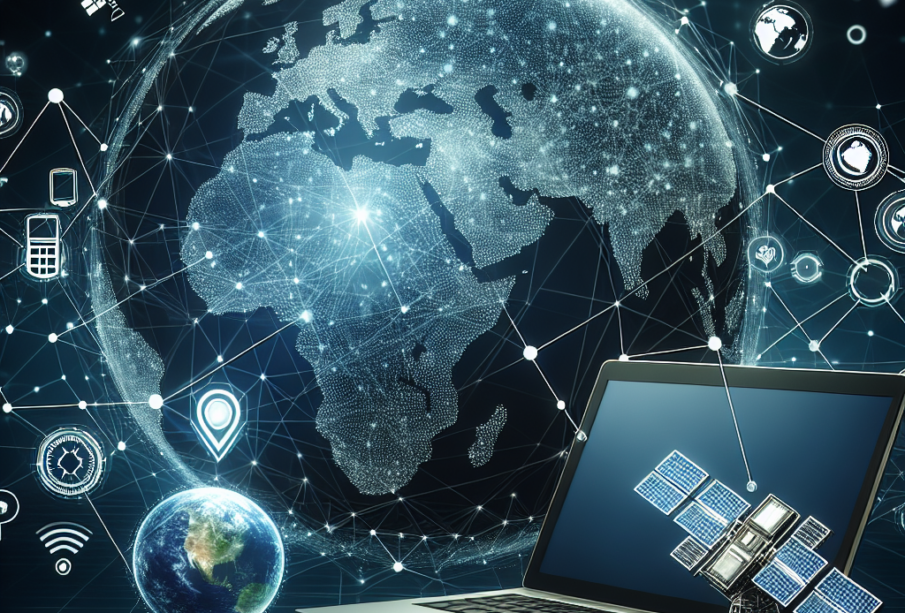
In 2025, the landscape of global governance is being reshaped by rapid technological advancements that are redefining the boundaries of international cooperation, accountability, and decision-making. From artificial intelligence and blockchain technology to big data analytics and social media, technology plays an increasingly pivotal role in enhancing collaboration among nations and organizations. As states grapple with complex issues such as climate change, global health crises, and cybersecurity threats, understanding the role of technology in shaping global governance becomes essential. This article explores how technology serves as a catalyst for change, promoting transparency, efficiency, and inclusivity on a global scale.
The Impact of Digital Transformation on Global Governance
Digital transformation is fundamentally altering the ways governments interact with one another and with their citizens. In 2025, we witness the rise of e-governance models that leverage technology to streamline administrative processes and improve public service delivery. Governments worldwide are adopting digital tools to facilitate transparent communication with their citizens and enhance accountability. Initiatives such as digital identity verification and online platforms for public consultations are becoming commonplace, providing citizens with greater access to decision-making processes.
Moreover, digital transformation empowers states to respond more effectively to global challenges. For instance, the COVID-19 pandemic highlighted how technology could provide real-time data sharing and collaborative platforms. Treating outbreaks, distributing vaccines, and managing healthcare resources required unprecedented cooperation among countries facilitated by digital technologies. By creating networks for sharing critical information and best practices, technology enhances the capacity of global governance to tackle urgent crises more efficiently than traditional methods.
The Role of Artificial Intelligence in Policy Development
Artificial Intelligence (AI) is revolutionizing the way policies are crafted and implemented in the context of global governance. In 2025, AI-driven analytics assist policymakers in understanding complex issues by processing enormous volumes of data in real-time. This allows for more informed decisions based on empirical evidence. For example, AI algorithms can analyze demographic trends, economic indicators, and social sentiment to predict potential societal shifts and enable policymakers to proactively address these challenges.
Moreover, AI technologies enhance participatory governance. Intelligent systems facilitate public engagement by collecting and analyzing citizen inputs, preferences, and feedback at scale. This fosters a more inclusive policy-making process, as it allows governments to consider diverse perspectives when shaping policy frameworks. Consequently, the incorporation of AI in governance not only improves the quality of decision-making but also strengthens the relationship between governments and their constituents, building trust in public institutions.
Blockchain Technology and Transparency in Global Alliances
Blockchain technology is emerging as a transformative force in the realm of global governance by promoting transparency and accountability. In 2025, various international organizations and governance bodies are increasingly adopting blockchain for secure, transparent transactions and record-keeping. By enabling a tamper-proof ledger, blockchain significantly reduces the risks of corruption and fraud. This is especially crucial in areas like humanitarian aid distribution and international development projects, where mismanagement of resources can have catastrophic consequences.
Furthermore, blockchain empowers individuals and organizations by providing them with control over their data and assets. Initiatives such as digital currencies and decentralized finance leverage blockchain to create new economic opportunities and strengthen the role of global governance in financial inclusion. In this way, blockchain not only reinforces transparency but also democratizes access to crucial resources, thereby empowering underrepresented communities in the global governance framework.
The Influence of Social Media on Global Accountability
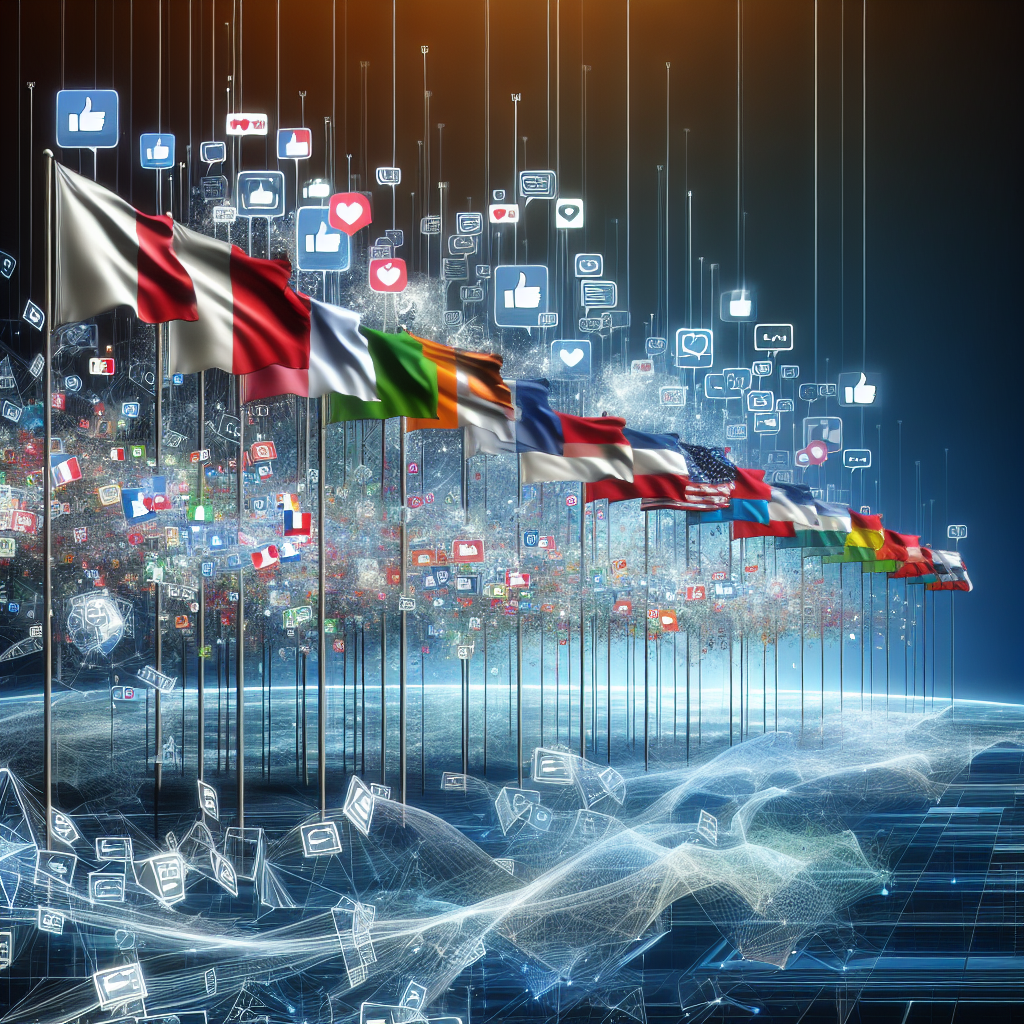
Social media has fundamentally changed the way global governance is conducted and perceived. In 2025, platforms like Twitter, Facebook, and newer decentralized networks play a vital role in shaping public dialogue around governance, policy issues, and state accountability. Activists and civil society organizations leverage these tools to mobilize support for various causes, bringing international attention to human rights violations, environmental concerns, and corruption. As a result, governments are increasingly pressured to be more accountable and responsive to citizen needs.
The rapid dissemination of information via social media also enables global citizens to hold their governments accountable in real-time. Instances of mismanagement or abuse of power can quickly gain traction, prompting immediate public outcry and potential international intervention. This dynamic shifts the balance of power in global governance, as it empowers citizens and non-state actors to influence policy decisions more directly. Consequently, the role of social media in enhancing global accountability cannot be overstated, as it encourages a more responsive and responsible governance structure.
Future Challenges and Opportunities in Tech-Driven Global Governance
As we look towards the future, there are significant challenges and opportunities associated with the growing role of technology in global governance. One critical challenge is the digital divide, which leaves certain populations without access to necessary technologies and information. Ensuring equitable access to digital resources is essential to prevent inequalities from widening, particularly in developing nations. Addressing this gap requires concerted international efforts, including investment in digital infrastructure, education, and skills training.
Another significant challenge lies in balancing security and privacy. As governments increasingly rely on technology for surveillance and data collection to enhance governance, they must navigate the complexities of civil liberties and individual rights. Striking this balance is crucial for maintaining public trust and fostering an enabling environment for democratic governance. As such, ongoing dialogue among stakeholders, including governments, private sector actors, and civil society, will be essential for crafting frameworks that embrace technology without compromising fundamental rights.
On the positive side, advancements in technology present unique opportunities for innovative governance models. As countries explore potential partnerships and collaborations, utilizing technology can lead to more agile and responsive governance structures. For instance, collaborative platforms and virtual diplomatic forums can facilitate ongoing dialogue and cooperation among states, enabling more effective problem-solving in real-time. This capacity for adaptation signifies a profound shift in how the world approaches governance challenges, paving the way for a more inclusive and interconnected global community.
Conclusion
In 2025, technology’s role in shaping global governance is more pronounced than ever. From enhancing transparency through blockchain technology to improving policy-making via artificial intelligence and enabling mass mobilization through social media, technological advances have created new pathways for international collaboration. While challenges such as the digital divide and privacy remain, the opportunities for innovative solutions and inclusive policymaking provide a promising outlook for the future of global governance. As nations and organizations continue to navigate this technology-driven landscape, the importance of strategic and ethical frameworks will be critical in harnessing technology’s full potential for a more equitable and sustainable world.
FAQs
How is technology improving transparency in global governance?
Technology, particularly blockchain, enhances transparency in global governance by creating immutable and verifiable records of transactions, thus reducing corruption and increasing accountability among states and organizations.
What role does AI play in policy-making today?
AI assists policymakers by analyzing large datasets to provide insights, allowing for data-driven decisions. This leads to more effective and timely policies that can respond to societal needs.
Can social media impact global governance?
Yes, social media significantly impacts global governance by enabling citizens to hold governments accountable, mobilizing public support for causes, and shaping international discourse on policy issues.
What are some future challenges of tech-driven governance?
Future challenges include addressing the digital divide, balancing security and privacy, and ensuring that technology is accessible and equitable for all populations, especially in developing countries.
How can governments ensure equitable access to technology?
Governments can invest in digital infrastructure, offer educational programs that promote digital literacy, and collaborate with private sectors to improve internet access and digital resources.