Introduction
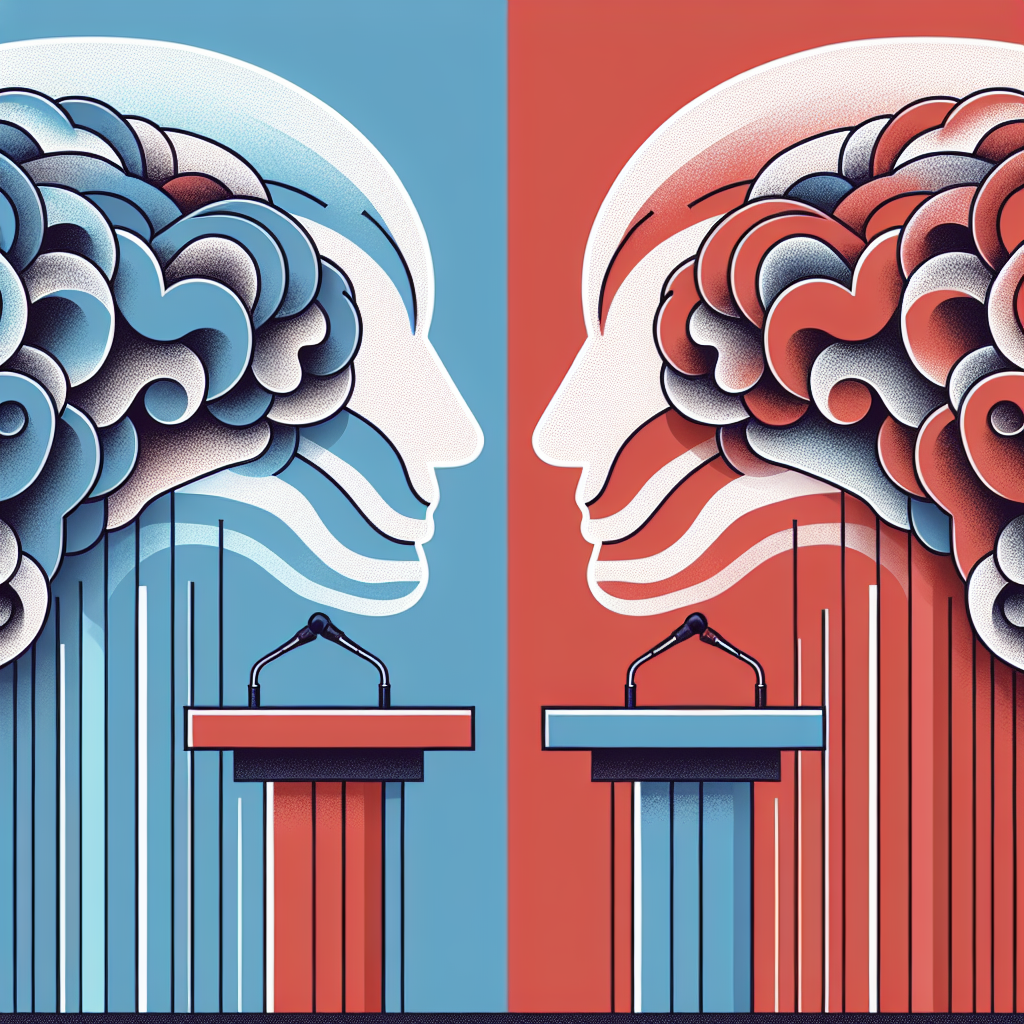
As the 2025 election cycle heats up, debates have become paramount in shaping voter perceptions and decisions. The psychological impact of debate performances on voters is profound, influencing everything from candidate favorability to voter turnout. In an era where information is abundant yet attention spans are limited, the way candidates present themselves during debates can have lasting effects on voter psychology. Understanding these dynamics can help us grasp the intricate relationship between political discourse and public opinion.
The Role of Emotion in Debates and Voter Perception
Debate performances are fueled by a complex interplay of facts, rhetoric, and emotional appeal. Voters are often swayed not just by the content of what is said, but by how candidates deliver their messages. Research has shown that emotional responses can significantly override analytical thinking processes, leading voters to make decisions based on how they feel rather than objective measures. A candidate who successfully evokes emotions such as hope, anger, or empathy can create a more profound psychological imprint, potentially altering perceptions of their competence and character.
The framing of debate content also plays a critical role in shaping emotional responses. Candidates who utilize compelling storytelling or relatable personal anecdotes often resonate more with voters, as they provide context and humanize complex political issues. For instance, in the 2020 elections, narratives surrounding personal struggles and successes significantly influenced voter empathy and support. Therefore, candidates must carefully curate their narratives during debates to foster emotional connections, which can be decisive in swaying voter opinions and strengthening voter loyalty.
Cognitive Biases and Their Influence on Debating Effectiveness
Cognitive biases significantly impact how voters interpret debate performances. One of the most relevant biases is the confirmation bias, where individuals favor information that confirms their pre-existing beliefs while dismissing contrary evidence. During debates, voters may selectively remember statements that align with their political views, leading to skewed perceptions of candidate credibility. This phenomenon underscores the importance of framing and rhetoric used during debates, as candidates must navigate the landscape of their opponent’s strengths and their vulnerabilities while appealing to an often polarized audience.
Another critical bias affecting voter decision-making is the halo effect, where a candidate’s positive traits can spill over to influence judgment about unrelated characteristics. A candidate may exhibit charisma or confidence during a debate, leading voters to unconsciously associate these qualities with their political viability and competence. For example, a candidate who performs well in terms of poise and appearance may be viewed more favorably in their policy stances, regardless of the actual merit of their arguments. Recognizing these cognitive biases is essential for both candidates and voters to understand how perceptions are formed and transformed through debate performances.
The Impact of Social Media and Real-Time Analysis on Voter Interpretation
In 2025, the role of social media in shaping perceptions of debate performances is more significant than ever. As voters engage with platforms like Twitter, Facebook, and TikTok in real time during debates, their interpretations and reactions can be swayed instantly. The immediacy of social media allows for real-time commentary and analysis, which can amplify or diminish the impact of a candidate’s performance. Reactions are often influenced by trending hashtags, memes, and soundbites, which can distort the original message of the debates and create a feedback loop of misinformation or reinforcement among viewers.
Moreover, the rise of post-debate analysis through online platforms has introduced a new layer of cognitive processing for voters. Polls and expert commentary released immediately after a debate can influence undecided voters, making them more susceptible to groupthink behaviors. As a result, candidates must consider not only their direct performance but also how their actions will be perceived and discussed within these online ecosystems. Missed opportunities for connecting with voters in the debate can quickly become magnified in the realm of social media, further highlighting the necessity of a polished and engaging debate presentation.
The Role of Fact-Checking and Information Accuracy Post-Debate
In an age of rampant misinformation, the accuracy of information presented during debates has become critical for voters. Fact-checking organizations have emerged as vital players in the post-debate landscape, where they scrutinize candidates’ statements for truthfulness. When voters are presented with clear evidence of inaccuracies or misleading statements, their faith in a candidate’s integrity and reliability can falter. Thus, the psychological impact of a debate performance extends beyond mere presentation—it encompasses the veracity of the information conveyed.
Furthermore, the ramifications of misinformation are particularly pronounced among less informed voters, who may rely heavily on perceived competence and authority rather than the fidelity of the facts. Candidates who are found to misrepresent their policies or record may face a backlash that influences overall voter perceptions and subsequent polling. It is crucial for candidates to establish credibility through truthful discourse, as a breakdown in trust can have dire consequences in an election as dynamic and competitive as that of 2025.
Strategies for Candidates to Maximize Psychological Impact
To harness the psychological impact of debate performances effectively, candidates should employ strategic communication techniques. Firstly, they must focus on relatability; connecting with the audience through shared experiences and values can enhance emotional engagement. Utilizing language that is both accessible and authentic invites voters into a dialogue, making them feel seen and heard. This approach can counteract feelings of alienation that often arise from political discourse, fostering a more profound connection that extends past the debate stage.
Moreover, candidates should prioritize consistency in messaging. Voters respond positively to candidates who clearly articulate their platforms and maintain aligned narratives throughout their campaigns. A coherent message reinforces voter trust and confidence, serving to solidify support beyond the psychological rush typically generated during debates. By articulating strong, clear positions, candidates can effectively mitigate the impact of cognitive biases that may work against them.
Lastly, cultivating a robust post-debate follow-up strategy is essential for maximizing the psychological impact of debate performances. Candidates should engage with voters through social media and community events, addressing any misinformation while amplifying key messages and achievements. By proactively shaping the narrative after the debate, candidates can influence voter psychology, maintaining a favorable image that resonates beyond initial impressions formed during the debate.
Conclusion
The psychological impact of debate performances on voters is a multifaceted phenomenon that incorporates emotion, cognitive biases, social media influence, information accuracy, and strategic communication. Understanding these dynamics provides critical insights for both candidates and voters alike, illuminating how perceptions can shift dramatically in the context of a debate. As we approach the 2025 election, the interplay between candidates’ performances and voter psychology will likely be a defining factor in determining electoral outcomes. By recognizing these influences, participants in the political process can engage in more meaningful, informed discussions that ultimately shape the future of governance.
FAQs
How do debates influence voter opinions?
Debates influence voter opinions by shaping perceptions of candidate competence, emotional appeal, and the clarity of proposed policies. They provide voters with a platform to directly compare candidates and their respective positions.
What psychological factors are most impactful during debates?
Key psychological factors include emotional engagement, cognitive biases (such as confirmation bias and the halo effect), trustworthiness of information, and the influence of social media commentary.
Why is fact-checking important post-debate?
Fact-checking is crucial post-debate because it holds candidates accountable for their statements, impacts voter trust, and can significantly alter public perceptions and polling, especially amid a climate of misinformation.