Introduction
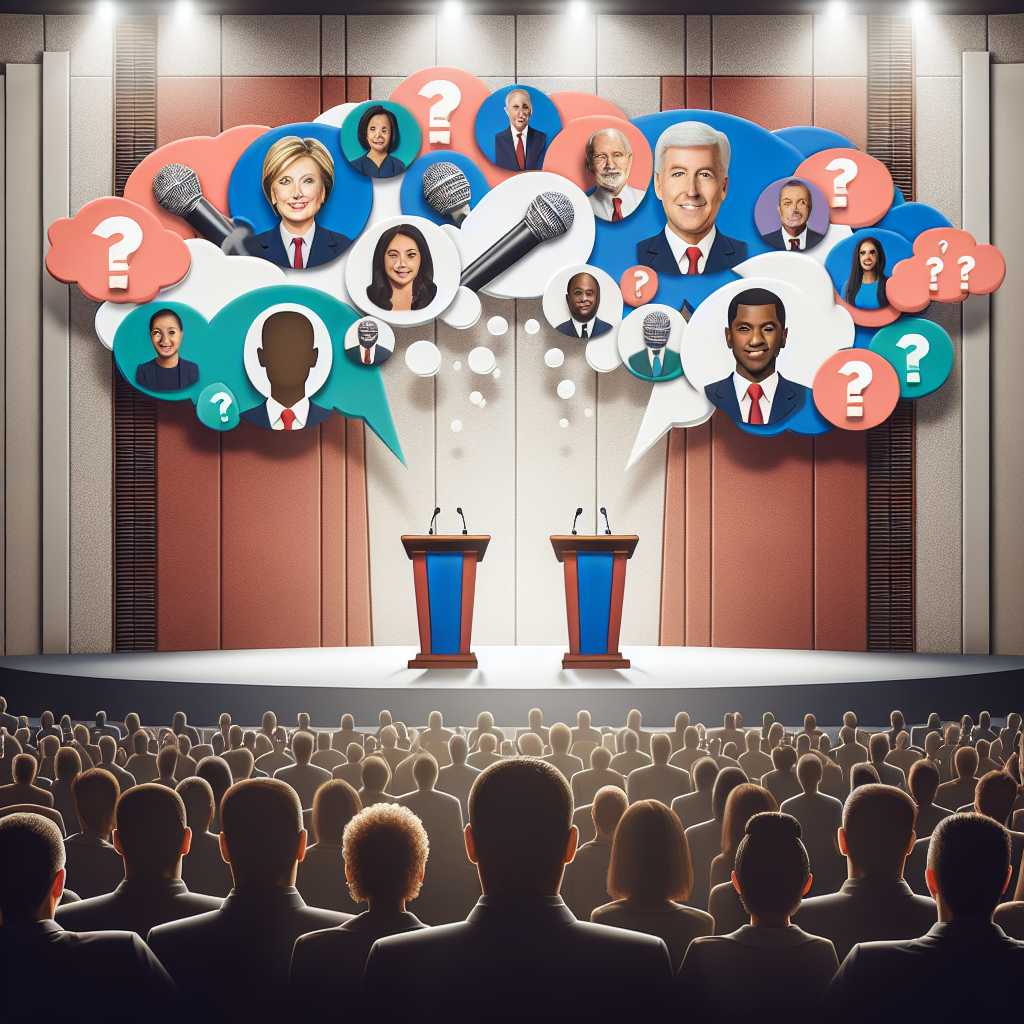
In the fast-paced landscape of political campaigning, debates play a crucial role in shaping candidates’ public images. As we navigate the 2025 electoral season, the impact of televised debates has become increasingly profound, providing voters with a unique opportunity to evaluate candidates on various issues. The effectiveness with which candidates present their policies and respond to tough questions can either bolster their public perception or significantly undermine it. This article explores how debates influence candidates’ public images and the broader implications of these events on electoral outcomes.
The Role of Debates in Crafting Public Perception
Debates serve as a critical platform for candidates to communicate their viewpoints, articulate their visions for leadership, and differentiate themselves from their opponents. During these high-stakes events, candidates have a limited time to express their policies, appeal to their base, and win over undecided voters. The performance of a candidate in these debates is scrutinized by the media and the public alike, making it a pivotal moment for shaping their narrative. Candidates who project confidence, clarity, and charisma can significantly enhance their appeal, crafting an image of a capable leader.
Furthermore, debates provide a forum for candidates to address controversies or missteps from their campaigns. A well-executed response to criticism can not only mitigate potential damage but also demonstrate resilience and authenticity. In 2025, with the rise of social media, snippets from debates can quickly go viral, amplifying the perception of candidates. Therefore, their ability to navigate challenging questions and present themselves as composed and knowledgeable can have lasting repercussions on their public image.
Debate Performances and Media Interpretation
The way debates are interpreted by the media can play a significant role in shaping public perception. Post-debate analysis often crystallizes the candidate’s performance, influencing how the electorate perceives them going forward. Major media outlets, political analysts, and influencers dissect candidates’ speeches, body language, and responses, creating narratives that can either boost a candidate’s standing or lead to significant backlash. In 2025, the rise of independent media channels and social platforms has further complicated this landscape, allowing smaller voices to weigh in and sometimes provide alternative takes that diverge from mainstream narratives.
Moreover, the immediacy of social media means that reactions to debate performances can happen in real time. An impressive moment can be shared widely, while a gaffe can lead to instant ridicule. Candidates must be astutely aware of this dynamic, understanding that their public image and narrative can shift dramatically in the hours following a debate. Strategically managing these narratives becomes essential in the digital age, as candidates and their teams work to control the messaging and counter any negative interpretations that may emerge.
The Long-term Effects of Debate Image on Electoral Strategy
The long-term effects of a debate on a candidate’s public image can be profound, often extending far beyond the immediate aftermath. Candidates who perform well are often able to leverage their success into increased fundraising, endorsements, and support from key party figures. In 2025, many candidates have shown that a strong debate performance can symbolize a turning point, leading to increased traction in polls and heightened enthusiasm among voters. Conversely, a lackluster performance can raise questions about a candidate’s viability and competence, leading to missed opportunities and decreased support.
Furthermore, public sentiment can be heavily influenced by perceptions of competence and credibility, which are often established during debates. For instance, a candidate who articulates a clear and compelling policy agenda in a debate is likely to be perceived as a viable leader, attracting undecided voters who are looking for clarity and direction. Inevitably, a candidate’s overall electoral strategy will be informed by their debate performance—shaping everything from their messaging to their outreach efforts and engagement with the electorate.
The Impact of Technology on Debate Engagement
In 2025, technology has revolutionized the way debates are conducted and engaged with by both candidates and the public. The introduction of live streaming, virtual town halls, and interactive polling during debates has allowed for an unprecedented level of audience engagement. Candidates can now gauge public reaction in real time, adapting their strategies based on instant feedback from viewers. This technological evolution has created a more interactive debate environment where candidates must be transparent in their discussions and responsive to audience concerns.
Moreover, the rise of artificial intelligence and data analytics means that campaigns can better understand voter priorities and sentiments, tailoring their debate messaging accordingly. In 2025, successful candidates are leveraging technology not only to enhance their debate performance but to create personalized connections with voters. Utilizing data from social media interactions, campaigns can refine their messaging and respond to public opinion dynamically, ultimately shaping their public image in a way that resonates with a broad audience.
The Challenges and Risks of Debate Appearances
While debates offer a platform for candidates to shine, they also present significant risks. A slip-up, whether due to a poorly articulated answer or an unexpected personal attack from an opponent, can have lasting implications on a candidate’s public image. In 2025, candidates are aware that one misstep has the potential to overshadow all previous successes. As a result, their preparation for debates has become increasingly rigorous, often involving a team of advisors focused on crisis communications and damage control strategies.
Another challenge in the debate landscape is the tendency for soundbites to dominate discussions. In a world clamoring for quick consumption of content, candidates must ensure that their key messages are deliverable in concise, impactful phrases. However, this can lead to oversimplification of complex issues, which may misrepresent a candidate’s policies and positions. Therefore, while crafting a public image during debates is essential, ensuring that the image aligns with genuine ideals and policies is equally important to maintain long-term credibility with voters.
Conclusion
Debates serve as an integral mechanism for shaping candidates’ public images, allowing them to communicate their visions effectively and respond to the challenges posed by their opponents. As we navigate the complexities of the 2025 electoral landscape, it is clear that debate performances can have profound implications for a candidate’s trajectory. The interplay between media interpretation, technological advancements, and strategic messaging makes the stakes higher than ever for candidates seeking to win over voters. In this ever-evolving political arena, understanding how debates shape public perceptions will remain crucial for candidates aiming for electoral success.
FAQs
What is the impact of a debate on a candidate’s polling numbers?
Debates can significantly influence polling numbers both positively and negatively. A strong performance can lead to increased support and higher polling, while a weak performance may result in a decline in popularity and voter confidence.
How do candidates prepare for debates?
Candidates prepare for debates through rigorous practice, rehearsing responses to anticipated questions, and engaging in mock debates. Additionally, they often consult with advisors to develop strategies for managing potential pitfalls and maximizing their strengths.
What role does social media play in shaping public perception during debates?
Social media plays a crucial role by allowing candidates to communicate directly with voters and respond to real-time feedback. It also amplifies moments from debates, influencing how performances are perceived by the general public and shaping the narrative around the candidates.