The Intersection of Human Rights and Global Politics
Introduction
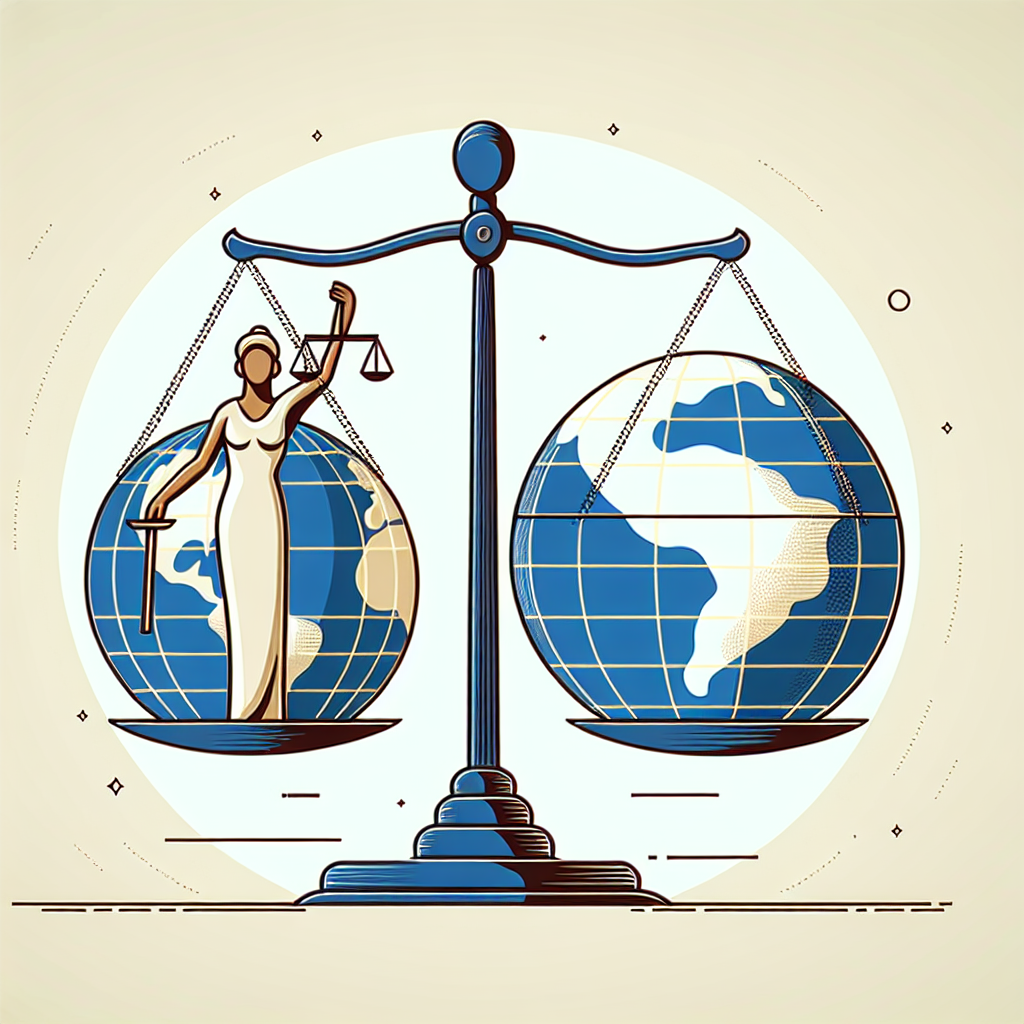
The intersection of human rights and global politics is an increasingly crucial area of study and discourse, particularly in the evolving landscape of international relations in 2025. With the rise in globalization, the dynamics of political power can significantly impact the protection of human rights. As atrocities, abuses, and injustices occur worldwide, the integration of human rights within the frameworks of global politics grows more imperative. This article explores how the entanglement of human rights and global politics shapes responses to conflicts, humanitarian efforts, and international law, highlighting current trends and challenges.
The Global Human Rights Landscape in 2025
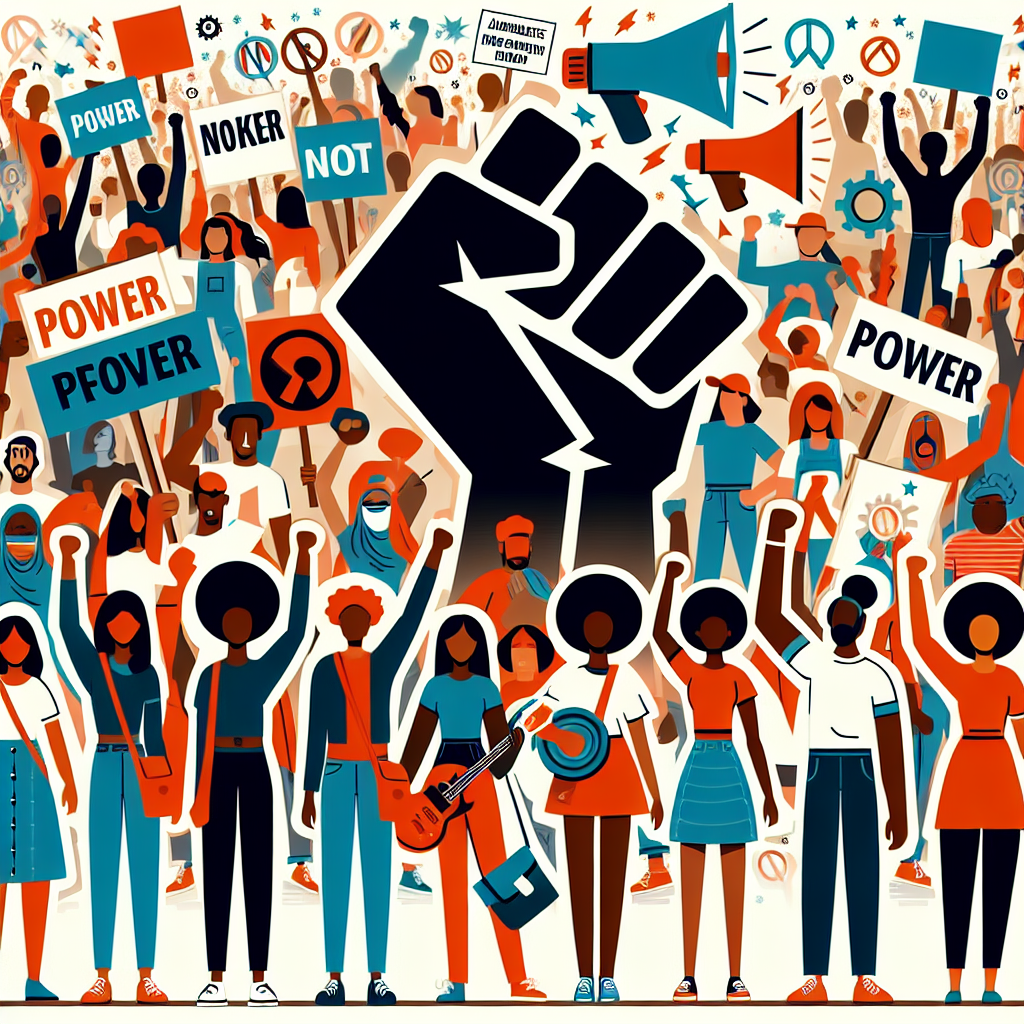
In 2025, the global human rights landscape presents a tapestry of challenges and advancements, shaped by geopolitical shifts and societal movements. The proliferation of digital technology has facilitated greater awareness of human rights violations, enabling activists, journalists, and ordinary citizens to document and disseminate information instantaneously. Social media platforms have become powerful tools for mobilization, where movements such as Black Lives Matter and climate justice intersect with human rights activism. These grassroots movements have compelled political entities to address systemic injustices, urging the inclusion of marginalized voices in policy-making processes.
Despite these positive developments, the landscape is marred by significant challenges. Authoritarian regimes continue to suppress dissent, utilizing sophisticated surveillance technologies to violate citizens’ privacy. In regions like Eastern Europe and parts of Asia, political repression has intensified, leading to widespread human rights abuses. Countries like Belarus and North Korea exemplify how the intersection of human rights and global politics can manifest in escalated state violence against dissenters. Amid widespread inequality, the need for a unified global response to protect human rights remains urgent.
The Role of International Organizations in Advocating for Human Rights
International organizations, including the United Nations (UN) and the International Court of Justice (ICJ), play pivotal roles in advocating for human rights within the realm of global politics. Established frameworks, like the Universal Declaration of Human Rights (UDHR), serve as foundational documents guiding nations toward universal respect for individual rights. In 2025, these organizations face the challenge of maintaining credibility amid geopolitical tensions. The effectiveness of international conventions relies heavily on the commitment of member states to uphold human rights standards, which can vary significantly between nations.
Furthermore, international organizations are often charged with the responsibility of conducting investigations and holding accountable those responsible for human rights violations. The UN’s role in peacekeeping and conflict resolution frequently intersects with its human rights advocacy, as seen in response to crises in regions like Ukraine and the Middle East. However, the politicization of human rights issues often impedes these organizations’ abilities to take decisive action, particularly when powerful member states refuse to cooperate or shield their allies from scrutiny. The ongoing debates about the efficacy of these organizations raise questions about their relevance in the evolving global political sphere.
Geopolitical Tensions and Human Rights Abuses
Geopolitical tensions markedly influence the prevalence of human rights abuses across the globe. In 2025, rising conflicts, particularly in regions such as the Asia-Pacific and Eastern Europe, illustrate the direct correlation between power struggles and the erosion of human rights. The competition for resources, territorial disputes, and ideological differences can lead to increased militarization and state-sponsored violence. For instance, the ongoing tensions surrounding Taiwan have escalated threats to human rights, as both sides engage in heightened nationalism, often sacrificing individual liberties for perceived security.
Additionally, the interplay between global superpowers has a profound effect on human rights dynamics. For example, as China’s influence expands globally, its commitment to human rights remains contentious. In many instances, rival nations may overlook or even tacitly support human rights violations when strategic interests align. This geopolitical calculus can lead to a double standard in the enforcement of human rights norms, complicating international responses. In this regard, the challenge exists in balancing national interests with the obligation to protect fundamental human rights.
The rise of populist movements in various countries has further complicated the human rights agenda. Leaders prioritizing national sovereignty often downplay international human rights frameworks, asserting that domestic priorities take precedence over global concerns. As this rhetoric gains traction, human rights activists face uphill battles against policies that restrict freedoms of assembly, speech, and press. The significant impact of these internal political shifts on global human rights advocacy cannot be understated, as they ripple across borders and challenge the very fabric of global cooperation.
The Impact of Climate Change on Human Rights
In 2025, climate change stands out as a colossal issue at the intersection of human rights and global politics. The impact of climate-related disasters disproportionately affects vulnerable populations, exacerbating existing inequalities and leading to increased displacement and marginalization. Rising sea levels, extreme weather events, and food insecurity are not merely environmental issues; they are inherently linked to human rights, as such changes threaten the right to life, health, and an adequate standard of living. Countries in the Global South face the greatest challenges, often lacking the resources and infrastructure to cope with environmental changes.
Climate change has also become a catalyst for conflict, wherein scarce resources lead to tensions and disputes. As nations grapple with climate-induced migration, the challenge of protecting the rights of displaced individuals adds another layer of complexity to global politics. The interrelation between humanitarian crises stemming from climate change and the obligations of states to protect international human rights laws necessitates critical discourse among policymakers and activists alike. International cooperation on climate action is pivotal not only for environmental sustainability but also for upholding human rights in the face of impending disasters.
Furthermore, the political implications of the climate crisis have spurred a renewed focus on accountability. Movements advocating for climate justice intersect with human rights, demanding that governments not only combat climate change but also address the rights of those affected by its impacts. The integration of human rights into climate policies is gaining traction, evidenced by the recognition of climate refugees in various international discussions. This evolution signals a shift in understanding the inseparability of human rights and environmental sustainability within global political frameworks.
Future Trends and Challenges in Human Rights and Global Politics
Looking ahead, the future of human rights within global politics faces numerous challenges. One impending concern is the increasing authoritarianism and anti-globalization sentiments, which undermine decades of progress in human rights protections. The erosion of democratic institutions in various regions may lead to intensified repression of civil liberties, challenging international bodies tasked with promoting and protecting human rights. The emergence of digital authoritarianism, where governments employ advanced technologies to monitor and suppress dissent, raises critical questions about privacy and freedom.
Moreover, the rise of populist leaders fortified by nationalist ideologies often results in a backlash against established human rights frameworks. In 2025, political rhetoric that dismisses international obligations can undermine pivotal agreements, such as the Paris Agreement on climate change or humanitarian accords. Without global consensus on the importance of human rights, future collaborations may become increasingly tenuous, leading to fragmented efforts in addressing global challenges.
Nevertheless, a glimmer of hope exists in the persistence of advocacy and awareness-raising efforts. As more individuals become aware of their rights and the interconnectedness of global issues, a collective push for accountability is becoming more pronounced. Grassroots movements, bolstered by advancements in technology, will continue driving political change, fostering environments where human rights are prioritized in policy discussions. The emerging trend of public pressure, applied through social media and international coalitions, will shape the future of human rights in concert with global political developments.
Conclusion
The intersection of human rights and global politics remains a complex and dynamic arena, especially as we advance into 2025. From the powerful advocacy of international organizations to the challenges posed by geopolitical tensions and climate change, the implications of human rights within global politics are vast. While significant challenges persist, the resilience of grassroots movements and the growing awareness of the interconnectedness of global issues suggest a brighter future where the protection of human rights is prioritized. As we navigate these intricacies, a commitment to uphold human dignity across borders remains essential for achieving a just and equitable world.
FAQs
1. What is the current state of human rights globally in 2025?
The current state of human rights in 2025 varies globally, with significant advancements in awareness and advocacy efforts, but challenges such as authoritarianism and geopolitical tensions persist.
2. How do international organizations influence human rights policies?
International organizations play a crucial role by setting standards, conducting investigations, and advocating for accountability regarding human rights violations across nations.
3. What are the major challenges facing human rights today?
Major challenges include rising authoritarianism, climate change impacts, geopolitical tensions, and the limitations of international cooperation in upholding human rights standards.
4. How is climate change related to human rights?
Climate change affects the rights to life, health, and an adequate standard of living, disproportionately impacting vulnerable populations and leading to increased displacement and conflict.
5. What role do grassroots movements play in advocating for human rights?
Grassroots movements are essential in driving political change, raising awareness, and applying pressure on governments and international bodies to prioritize human rights in policy discussions.