The Golden Era of Baseball: Legends of the Game
The Golden Era of Baseball: Legends of the Game
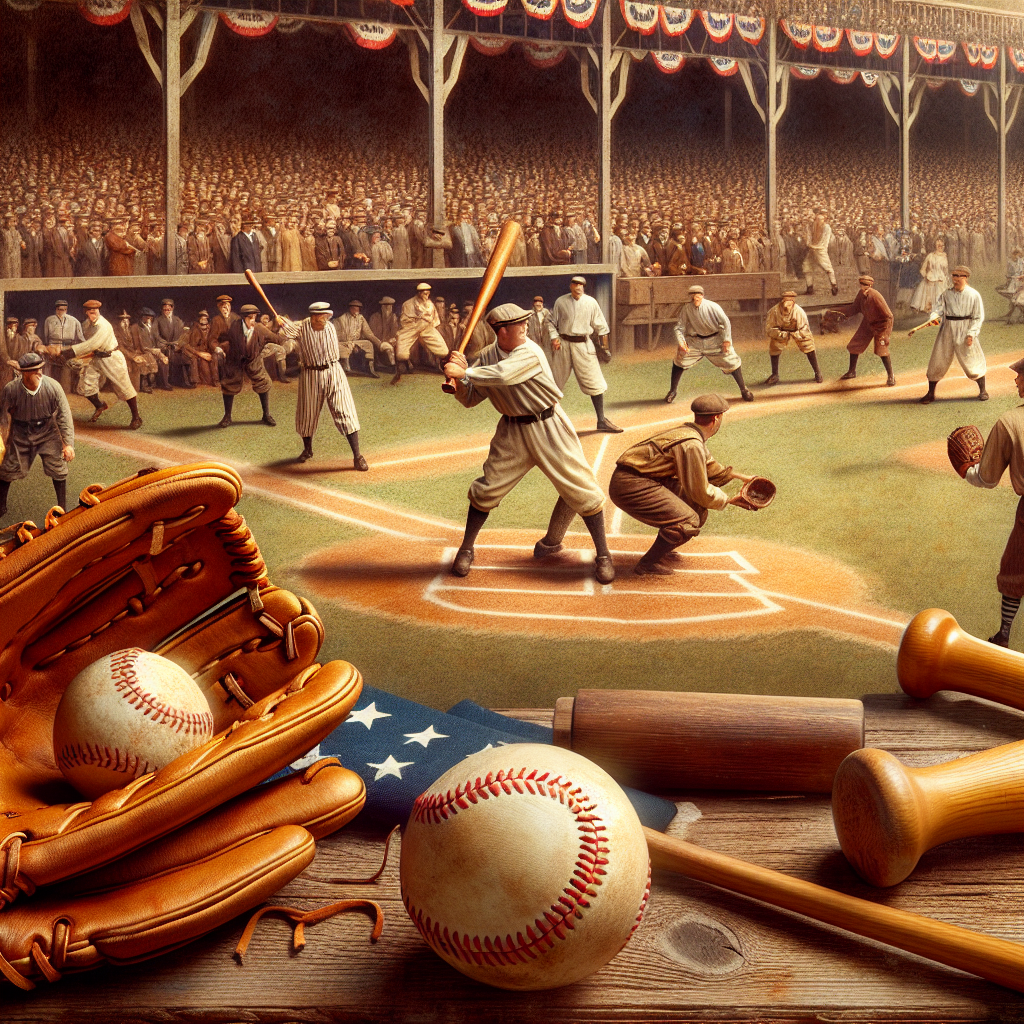
The Golden Era of baseball, often celebrated as the most transformative and thrilling period in the sport’s history, has left an indelible mark on both the game and its fans. This illustrious time, particularly from the late 1940s to the early 1960s, featured a plethora of legendary players who not only showcased extraordinary talent but also shaped baseball’s cultural landscape. As we explore the key personalities and pivotal moments from this era, we’ll examine how they inspired generations and contributed to the mythos of America’s pastime.
The Evolution of Baseball During the Golden Era
The Golden Era of Baseball marked a period of significant transformation in the game, characterized by groundbreaking changes both on and off the field. Following the end of World War II, the nation experienced social and economic shifts that mirrored a burgeoning enthusiasm for sports, particularly baseball. The introduction of television changed how fans engaged with the game. Games became accessible to those who couldn’t afford to attend in person, and iconic moments could be shared and replayed, embedding them in American culture. This accessibility also helped popularize the sport across diverse demographic groups, leading to a burgeoning national audience.
Simultaneously, an influx of outstanding talent flooded Major League Baseball. Legendary figures such as Jackie Robinson broke barriers and paved the way for racial integration within the sport. Robinson’s debut in 1947 not only had a profound impact on baseball but was also a critical moment in the Civil Rights Movement, representing hope and progress. The convergence of these cultural shifts and extraordinary athletes created a distinct atmosphere that defined the Golden Era as a fundamental transition phase in the history of baseball.
The Legendary Players Who Defined the Golden Era
No discussion of the Golden Era would be complete without highlighting the extraordinary players who made their mark during this time. Names such as Mickey Mantle, Willie Mays, Ted Williams, and Hank Aaron not only provided thrilling performances but fundamentally defined the expectations and standards of greatness within the sport. Mickey Mantle, with his incredible power and speed, captured the essence of the Yankees’ dynasty. His ability to perform in clutch situations, particularly in the World Series, made him a household name and a symbol of excellence for the franchise.
Conversely, Willie Mays is often celebrated as one of the most complete players in the history of baseball. His combination of power, speed, and defensive prowess was rarely seen. The legendary “Catch” in the 1954 World Series exemplified not only his athleticism but also the high stakes and drama that characterized the Golden Era. Similar narratives emerged around Ted Williams, often heralded as the greatest pure hitter of all time, whose dedication to the craft was matched only by his military service during World War II. These legends didn’t just play the game; they embodied the spirit and passion of an era that would inspire countless fans and players alike.
The Impact of the Golden Era on Contemporary Baseball
The Golden Era of Baseball continues to influence the sport in profound and lasting ways, shaping contemporary baseball both on and off the field. The integration of baseball during this time created a new paradigm for the game, leading to an influx of diverse talents that enriched the playing style and approach to competition. Today’s MLB is a melting pot of cultures and backgrounds, a legacy of the groundbreaking strides made by players like Jackie Robinson.
Moreover, the statistical revolution in baseball can be traced back to this era, as players brought an unprecedented focus on analytics and performance. Ted Williams’ obsession with hitting mechanics laid the groundwork for advanced batting metrics still in use today. This analytical approach has since seeped into all aspects of baseball, influencing how players train, how front offices manage rosters, and how brands engage with fans. The Golden Era laid the foundational ethos of continuous improvement that fuels modern baseball’s innovation and strategy.
The Rivalries that Defined the Golden Era
Rivalries played an integral role in shaping the Golden Era of Baseball, garnering intense fan engagement and elevating the stakes of the game. The New York Yankees and the Brooklyn Dodgers rivalry, embodied in the famous “Subway Series,” showcased not just talent, but the contrasting identities of the respective teams. The Yankees, with their storied history and roster of superstars, often represented the establishment, while the Dodgers emerged as the progressive force in baseball, pushing boundaries both on and off the field.
The ferocity of these rivalries was reflected in legendary matchups, such as the 1955 World Series, where the Dodgers ultimately triumphed over the Yankees in a thrilling seven-game series. Such moments stoked passionate debates among fans and solidified allegiances, making the game more exhilarating. Other rivalries, such as that between the Red Sox and the Yankees, can trace their intense roots back to this period, leaving an everlasting impact on the culture of the sport.
The Cultural Significance of Baseball in American Society
Baseball not only burgeoned as a sport during the Golden Era, but it also cemented its status as a significant cultural institution in American society. The sport became a reflection of the American Dream, offering players from various backgrounds a stage to achieve notoriety and triumph. This era saw the emergence of baseball as a symbol of resilience amid societal changes, particularly in light of the Civil Rights Movement and the impact of globalization following World War II.
Furthermore, the passion for baseball extended beyond the field into music, literature, and film. Iconic songs and novels paid homage to the players and the game, solidifying its cultural relevance. Works like “The Natural” by Bernard Malamud and the film “Field of Dreams” continue to resonate with audiences, echoing the values and nostalgia that baseball conjures. The Golden Era, therefore, not only marked a time of athletic excellence but also stood as a pivotal chapter in the ongoing narrative of American identity.
Conclusion
The Golden Era of Baseball not only introduced us to some of the most legendary figures in sports history but also transformed the game into an integral part of American culture. The evolution of baseball during this period, marked by the exceptional talents of players such as Jackie Robinson, Mickey Mantle, and Willie Mays, coupled with intense rivalries and cultural significance, left an indelible legacy that continues to influence the sport today. As we reflect on this remarkable period, it becomes clear that the legends of the Golden Era have shaped not only baseball but the very fabric of American life, making the sport a cherished pastime that unites generations.
FAQs
What years are considered the Golden Era of Baseball?
The years typically considered as the Golden Era of Baseball extend from the late 1940s to the early 1960s, a period noted for both its immense talent and cultural significance.
Who were the most influential players during the Golden Era?
Some of the most influential players from this era include Jackie Robinson, Mickey Mantle, Willie Mays, and Ted Williams, each of whom made significant contributions to the game and helped shape its future.
How did the integration of baseball impact society?
The integration of baseball promoted racial equality and diversity in sports, influencing broader societal changes during the Civil Rights Movement and paving the way for future generations of athletes.