The Geopolitics of Energy: Challenges and Opportunities
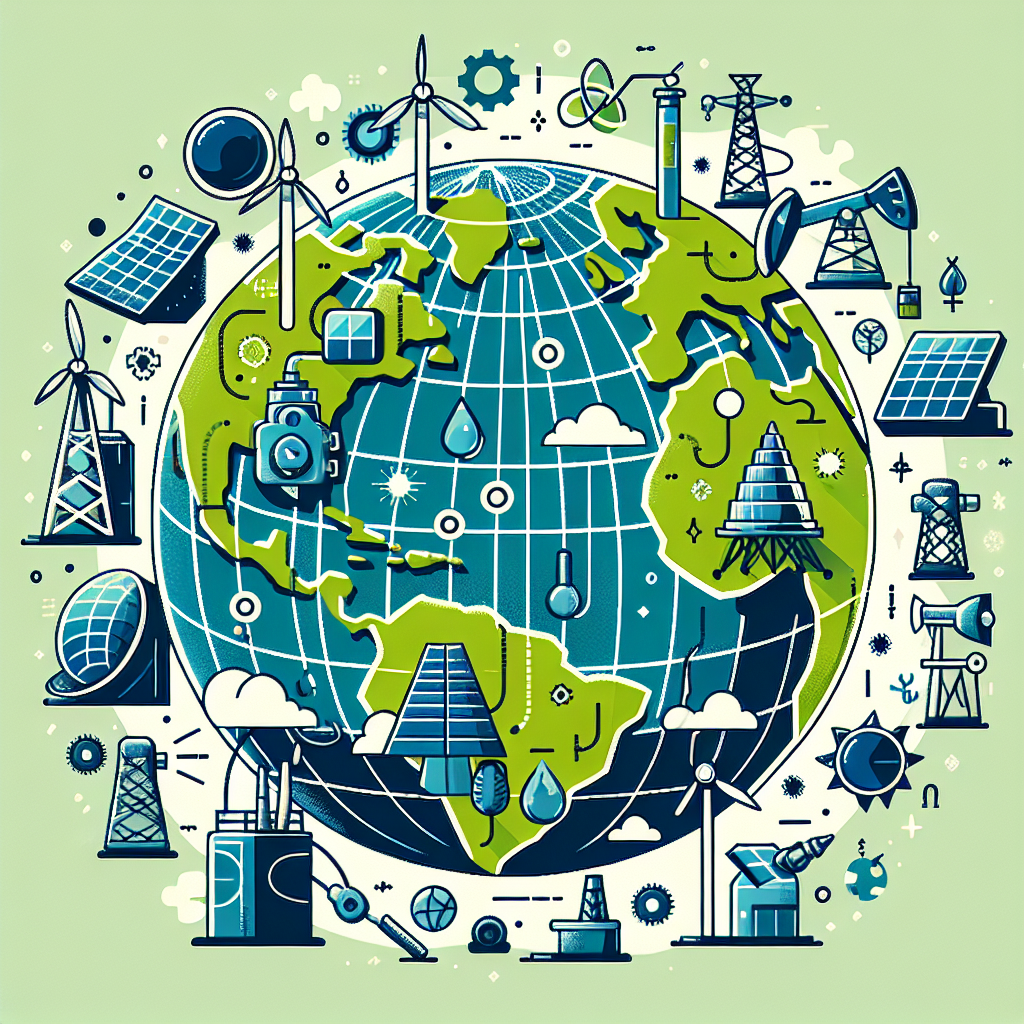
The Geopolitics of Energy: Challenges and Opportunities
In the complex landscape of global politics, the geopolitics of energy presents a multifaceted challenge and opportunity for nations worldwide. As we reach 2025, understanding the intricate relationships between energy supply, demand, and the geopolitical strategies that govern them is more critical than ever. Energy resources, particularly fossil fuels and renewable alternatives, serve as both a lifeline for economies and a lever for political influence. This article delves into the ongoing challenges and emerging opportunities within the geopolitics of energy and how they shape global relations.
The Energy Landscape in 2025
In 2025, the energy landscape is undergoing a profound transformation, heavily influenced by climate change initiatives and an urgent demand for sustainable solutions. Nations are racing to reduce dependence on fossil fuels and enhance their renewable energy portfolios, primarily wind, solar, and hydroelectric systems. This shift is not solely driven by environmental concerns; it also represents strategic positioning in an increasingly competitive world. Countries heavily reliant on fossil fuel exports face the dual challenge of diminishing market demand and vulnerability to fluctuating prices.
As power dynamics shift, major energy-producing countries, including the United States, Saudi Arabia, and Russia, grapple with the implications of this transition. While oil and gas remain critical to the global economy, these nations are investing in technological innovations and green energy sectors to secure their economic future. This strategic pivot raises essential questions about energy independence and the role of international collaboration in addressing global energy needs.
Energy Security in a Changing World
Energy security is a cornerstone of national security, and in 2025, it encompasses broader dimensions than ever before. As energy transition accelerates, countries are re-evaluating their energy policies to ensure resilience against supply disruptions, price volatility, and geopolitical tensions. The rise of energy nationalism — where nations prioritize local resources over international collaboration — complicates the energy security landscape. Countries such as Russia and Venezuela have used energy as a political tool, wielding significant influence over their neighboring nations and the global market through strategic resource control.
At the same time, renewable energy sources have paved the way for innovative strategies to enhance energy security. By diversifying energy portfolios, countries can mitigate risks associated with single-source dependency. Moreover, advancements in energy storage technologies and microgrid solutions present pathways to achieving greater energy resilience. Nations are increasingly looking at partnerships to harness these technologies effectively, ensuring that energy security goes hand-in-hand with sustainability goals.
The Role of Emerging Economies in Global Energy Dynamics
Emerging economies, particularly in regions such as Southeast Asia, Africa, and Latin America, are transforming the geopolitical energy landscape in 2025. These countries are experiencing exponential growth in energy demand, fueled by rising populations and industrialization. As they seek to meet their energy needs, emerging economies are presented with a unique opportunity to leapfrog traditional fossil fuel dependence and embrace renewable energy technologies. This shift not only furthers sustainability but also fosters economic independence and job creation.
The dynamics of energy investments are shifting as traditional energy giants face increased competition from companies in these emerging markets. Investment in renewable energy infrastructure and technology becomes essential to fulfill energy demands, making it critical for established energy-producing nations to adapt their strategies. Collaborative frameworks, such as the Energy Transition Partnership Initiative, are emerging to assist these nations in harnessing sustainable resources while ensuring that their economic growth aligns with global climatic objectives.
Moreover, as emerging economies assert themselves on the global stage, they present new alliances and trade opportunities for established nations. As energy transition becomes a priority worldwide, the collaboration between established and emerging economies can define the future of global energy markets.
Geopolitical Tensions in Energy Supply Chains
Geopolitical tensions are increasingly intertwined with energy supply chains, especially as countries vie for new energy resources and access to technologies required for renewable energy production. Conflicts in regions rich in oil and gas, such as the Middle East and Eastern Europe, highlight the delicate balance of power where energy resources serve as a catalyst for both cooperation and conflict. The current landscape underscores ongoing disputes over territories, pipeline routes, and supply chains, which can rapidly escalate into diplomatic crises.
The impact of climate change also alters the geopolitical landscape, as resource scarcity becomes a concern in many regions. For instance, climate-induced migration causes stress in host countries, prompting competition over diminishing resources. Nations rich in water or arable land are firmly positioned in geopolitical discussions, stressing the need for integrated policies that consider the link between environmental sustainability, energy production, and socio-economic factors.
Furthermore, technological competition is a significant element in the current geopolitical arena. Countries that excel in energy innovation, particularly in battery technology and smart grid systems, will have a strategic advantage. As nations around the world race to dominate the renewable energy market, relevant partnerships and military alliances may shift, further complicating the geopolitical energy landscape.
The Path to Sustainable Energy Solutions
As nations navigate the complexities of energy geopolitics in 2025, the path toward sustainable energy solutions emerges as a pivotal opportunity. Transitioning from fossil fuels to renewable energy requires collaboration among countries, the private sector, and civil society. International agreements, such as the Paris Accord, foster cooperation in achieving emissions reduction and encouraging investment in clean technologies. These partnerships facilitate the sharing of best practices and technologies to ensure that industrialized as well as developing nations can collectively address global energy challenges.
Investment in research and development is crucial in advancing sustainable energy solutions. Innovative technologies such as carbon capture and storage, advanced battery technologies, and hydrogen power are vital for reducing reliance on fossil fuels. As more governments and organizations prioritize funding in these areas, there will be an opportunity to democratize energy access across the globe. This transition democratizes energy, enabling regions that were once energy-poor to become self-sufficient and contribute meaningfully to the global energy mix.
Ultimately, a successful transition to sustainable energy solutions hinges on the balance between national interests and global collaboration. By aligning long-term economic goals with sustainable practices, countries can create an energy economy that ensures environmental justice and equitable resource distribution worldwide, making cooperation not just an option, but a necessity in the evolving field of energy geopolitics.
Conclusion
As we approach the middle of the 21st century, the geopolitics of energy reflects a world grappling with significant challenges and opportunities. The energy landscape in 2025 is characterized by a compelling shift toward sustainability, necessitating new approaches to energy security in the face of climate change and geopolitical tensions. Emerging economies play an increasingly critical role in shaping energy strategies, while geopolitical tensions are intertwined with resource availability and technological innovation. By embracing sustainable practices and fostering international collaboration, the global community can respond effectively to the evolving intricacies of energy geopolitics.
FAQs
What Are Some Key Challenges in the Geopolitics of Energy?
Energy supply disruptions, geopolitical tensions over resource control, and the transition from fossil fuels to renewable sources present significant challenges in the complexity of energy geopolitics.
How Are Emerging Economies Shaping the Future of Energy?
Emerging economies are rapidly increasing their energy demands while embracing renewable technologies, potentially shifting global energy dynamics, economies, and partnerships.
Why Is Energy Security Essential for National Security?
Energy security ensures that nations can access reliable energy sources necessary for economic stability and military readiness, making it a foundational aspect of national security.
What Role Does Technology Play in Energy Geopolitics?
Technological advancements can shape energy production and consumption, drive competitiveness between nations, and influence strategic alliances in the geopolitical landscape.
What Opportunities Exist for International Cooperation in Energy?
Countries can collaborate on developing renewable technologies, sharing resources, and engaging in collective agreements to tackle climate change and enhance energy sustainability.