The Politics of Global Health: Pandemic Response and International Collaboration
The Politics of Global Health: Pandemic Response and International Collaboration
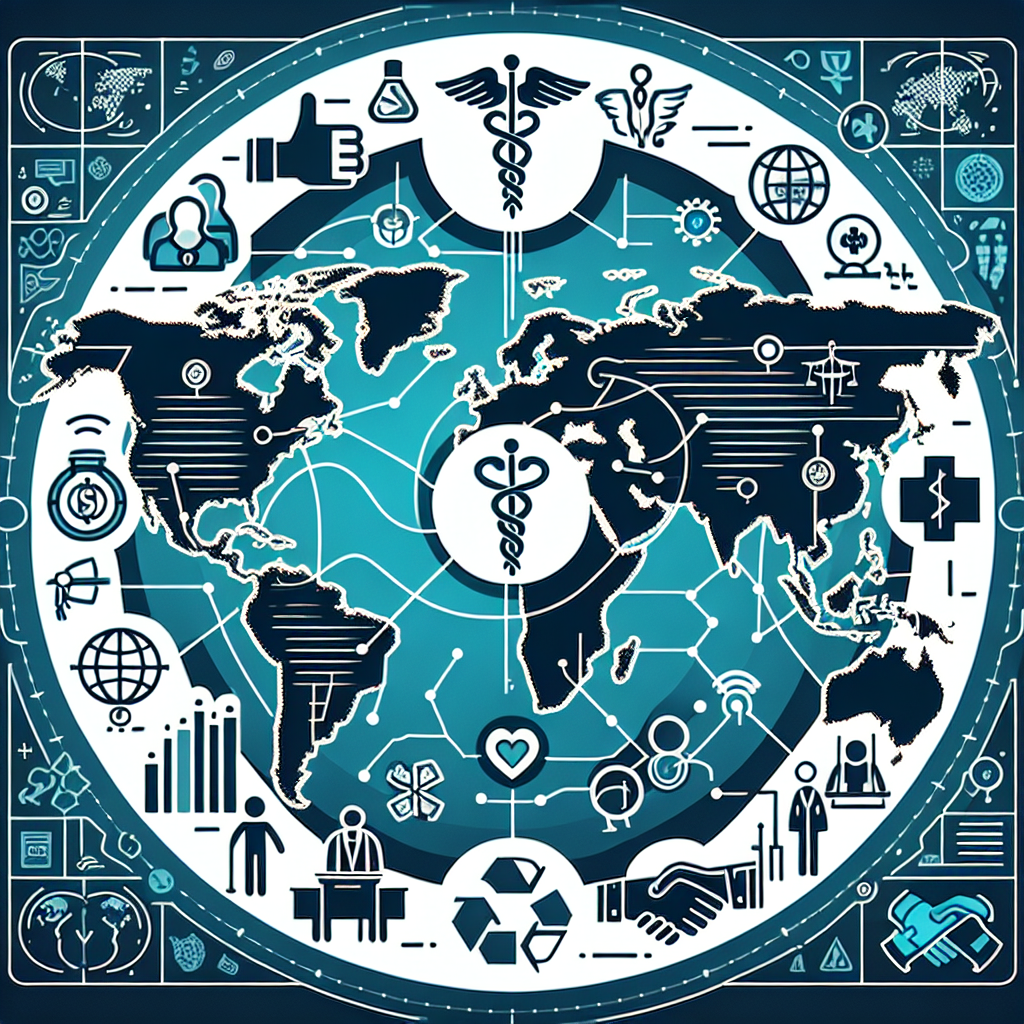
Global health is an intricate tapestry woven with threads of diplomacy, cooperation, and sometimes conflict, especially in the face of pandemics. As the world reflects on the lessons learned from the COVID-19 pandemic, the intricate politics surrounding global health have come into sharper focus. From vaccine distribution to international collaboration, understanding these dynamics is crucial not only for managing current health crises but also for future preparedness. This article explores the politics of global health with a particular emphasis on pandemic response and international collaboration in 2025.
The Role of International Organizations in Pandemic Response
International organizations like the World Health Organization (WHO) play a pivotal role in shaping the global health landscape. In the wake of the COVID-19 pandemic, the WHO has been at the forefront of developing guidelines, facilitating international cooperation, and ensuring equitable access to vaccines. The pandemic demonstrated the critical necessity for a centralized health authority that can coordinate responses across nations, especially when dealing with cross-border health issues. The rise of new viruses in 2025, such as the H1N1 variant, underscores the need for robust international mechanisms to swiftly mobilize resources, knowledge, and personnel to manage outbreaks effectively.
Moreover, the WHO has also been successful in advocating for global health funding through initiatives like the Access to COVID-19 Tools (ACT) Accelerator. This collaboration between governments, civil society, and private sector entities aims to ensure equitable access to tests, treatments, and vaccines. The challenge, however, is the continued politicization of global health efforts, as countries often prioritize national interests over collective ones. This tension can paralyze necessary responses, leading to a fragmented approach that undermines the strengths of international organizations.
The Political Landscape of Vaccine Distribution
The distribution of vaccines emerged as a flashpoint in global health politics during the COVID-19 pandemic. In 2025, the consequences of this struggle are still evident as many low- and middle-income countries continue to grapple with inequitable access to vaccines. High-income countries, often bolstered by strong research and development infrastructures, have historically secured vast supplies, leaving less developed nations at the mercy of donation programs and external aid. The COVAX initiative aimed to remedy this inequity but has faced substantial challenges, ranging from supply chain issues to distribution logistics.
The politicization of vaccine distribution has led to calls for reforms that prioritize equitable access across all nations. Countries are beginning to recognize that global health security is interconnected; a virus does not discriminate based on borders. The lesson learned from the early days of vaccine nationalism highlights the importance of mutual support and collaboration in enhancing global health infrastructures. Advocacy for comprehensive global health agreements—similar to climate accords—could ensure lasting commitments to equitable health measures in future pandemics.
Global Health Security: A Matter of National and International Interest
Global health security has risen to prominence in the discussions of international relations and foreign policy. As 2025 unfolds, countries are beginning to understand that their security is inextricably linked to health issues. The emergence of zoonotic diseases and the potential for future pandemics are prompting governments to invest in preventative measures collaboratively. Health has now taken a front seat in national security agendas, recognizing that unpreparedness at a global level can have dire consequences.
Simultaneously, the integration of health with trade policy exemplifies the politics of global health. Countries are starting to negotiate health-related provisions in existing trade agreements, acknowledging that economic stability hinges on a healthy population. The world is witnessing a paradigm shift from viewing public health as solely a healthcare issue to recognizing it as a critical component of economic security and international diplomacy. This interconnection provides an avenue for more cohesive policy-making where health standards can dictate trade relations, fostering a holistic approach to global health security.
The pandemic also shed light on the need for immediate response protocols when outbreaks occur. In 2025, countries are working together to establish a Global Health Emergency Response Framework, aimed at ensuring that actionable plans are in place to respond promptly to health crises. This framework includes the establishment of rapid-response teams composed of medical personnel, epidemiologists, and logistics experts, ready to be deployed wherever and whenever an outbreak is detected. Such initiatives reflect a collective commitment to enhancing global preparedness through practical collaboration.
The Future of International Collaboration in Global Health
Looking ahead, the future of international collaboration in global health will require innovations in governance structures and policy frameworks. In 2025, there is a strong push towards the establishment of legally binding treaties that would govern global health responses. These treaties would create accountability mechanisms to hold nations responsible for their contributions to global health initiatives, ensuring that all countries do their part to mitigate health risks.
The intersection of technology and health signifies a transformative area for future collaboration. Digital health technologies, data sharing platforms, and telemedicine are revolutionizing how countries can cooperate in managing health crises. Artificial intelligence and big data analytics are essential for predictive modeling of outbreaks, allowing nations to preemptively address potential threats collaboratively. Furthermore, digitized health records and vaccination databases could streamline information sharing, reducing redundancy and enhancing coordination among countries.
Finally, education and capacity-building initiatives will be crucial for effective international collaboration. As nations grapple with varying health system capabilities, targeted investments in training healthcare professionals and strengthening local health systems will ensure more robust responses to pandemics. In 2025, collaborative initiatives are focusing on mentorship programs and exchange systems that allow skills transferral between high and low-resource countries, building a global workforce prepared for any health challenge that may arise.
The Influence of Civil Society and Private Sector on Global Health Politics
While nation-states and international organizations traditionally dominate global health negotiations, the influence of civil society and the private sector cannot be understated. In 2025, advocacy groups and non-governmental organizations (NGOs) continue to play essential roles in shaping health policy and responding to pandemics. These organizations often bring to light health disparities and push for equitable policies, holding governments accountable for their commitments.
Moreover, the private sector is increasingly seen as a critical partner in global health. Pharmaceutical companies, technology firms, and philanthropic foundations are investing significant resources to address public health challenges. Public-private partnerships (PPPs) have gained traction, fostering innovations in vaccine development, diagnostics, and treatment. These partnerships benefited significantly from lessons learned during the COVID-19 pandemic when rapid collaboration led to the swift development of vaccines. The future of global health could hinge on these cooperative models, where the agility of the private sector meets the accountability of public health frameworks.
The dynamics between these stakeholders also reflect a shift towards a multi-stakeholder approach to tackling health issues. In 2025, global health cannot be viewed purely through the lens of government and intergovernmental agencies; rather, engagement from all sectors—academic, civil, and private—is essential for robust responses to health crises. Collaborative dialogues among diverse stakeholders are necessary for creating inclusive health systems that address the needs of all nations.
Conclusion
The politics of global health are increasingly complex and multifaceted, shaped by the experiences of previous pandemics and the continuous evolution of international collaborations. The lessons learned from the COVID-19 pandemic highlight the urgent need for equitable vaccine distribution, robust international organizations, and integrated health security strategies. As we move into 2025, the imperative for collaborative approaches becomes clearer: health is a global issue that transcends borders and demands coordinated action from all stakeholders. Investment in innovative collaborations, technology, and a commitment to shared health diplomacy will be foundational to addressing the next global health crisis.
FAQs
1. How do international organizations support pandemic response?
International organizations like the WHO coordinate efforts for vaccine distribution, provide guidelines for health policies, and mobilize resources during pandemics. They facilitate international collaboration to ensure a cohesive and effective response to health crises.
2. Why is vaccine distribution a political issue?
Vaccine distribution becomes a political issue due to disparities between nations; high-income countries often secure vaccines first, leading to accusations of vaccine nationalism. This highlights the need for equitable access to vaccines globally, essential for overall health security.
3. What is the significance of global health security?
Global health security emphasizes the interdependence of nations concerning health issues. It underscores that a health crisis in one part of the world can have far-reaching effects elsewhere, making collaborative and coordinated responses crucial.
4. How can civil society influence global health policies?
Civil society, including NGOs and advocacy groups, can influence global health policies by raising awareness of health issues, advocating for changes, and holding governments and organizations accountable for their commitments to health equity.
5. What role does the private sector play in global health?
The private sector contributes to global health through research and development of vaccines and treatments, investments in health technologies, and partnerships with public health organizations to address health challenges innovatively and effectively.