Introduction
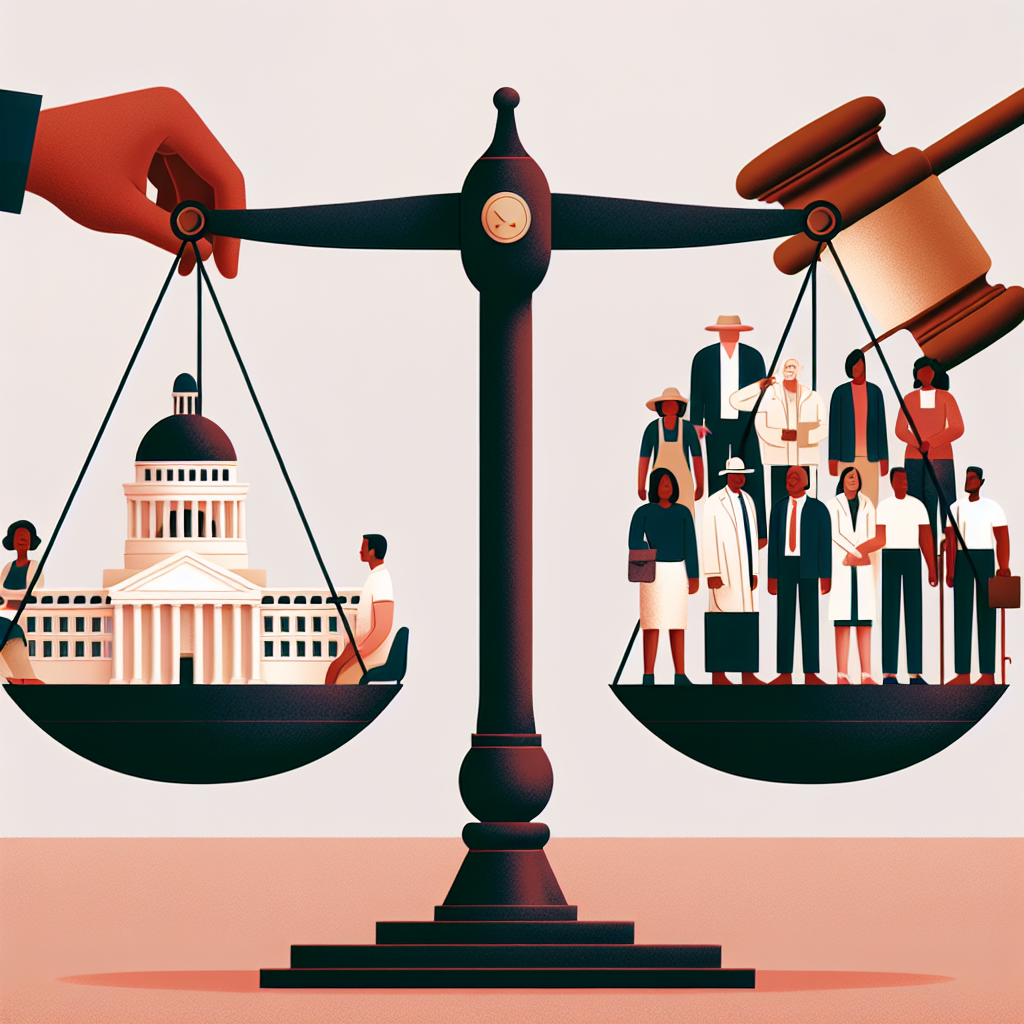
In 2025, the debate surrounding the government’s role in society remains as pertinent as ever. The case for limited government intervention has gained traction among scholars, policymakers, and citizens who argue that a more restrained government fosters economic freedom, personal responsibility, and innovation. Advocates of limited intervention propose that excessive government involvement can stifle creativity and hinder the efficiency of markets. This article provides an in-depth analysis of the advantages of limiting governmental influence in various sectors, comparing outcomes and exploring rich examples that illustrate the benefits of a minimalist government approach.
Understanding Limited Government Intervention
Limited government intervention refers to a philosophy where the government’s role in the economy and individual lives is minimized. This approach stresses that allowing market forces to operate freely can lead to better outcomes than when governments impose regulations. Proponents argue that economic transactions thrive under conditions of freedom, where individuals and businesses can make decisions based on their circumstances and preferences. When government bureaucracies intervene too heavily, they argue, it often leads to inefficiencies, misallocation of resources, and a dampening of human creativity.
An example of this concept can be observed in countries with higher levels of economic freedom, such as Singapore and New Zealand. These nations have established frameworks that promote entrepreneurship while maintaining minimal government intervention in the economy, allowing businesses to flourish without excessive regulations or taxes. Studies show that such environments tend to result in higher GDP growth rates and lower unemployment levels, validating the argument that limited government fosters a more competitive and resilient economic landscape.
The Economic Case for Limited Intervention
The economic arguments in favor of limited government involvement often revolve around the idea of free markets. On a practical level, free markets allow supply and demand to dictate prices and production without government interference, leading to innovation and efficiency. When businesses are free to compete, they are incentivized to improve their products and services continuously. This competition encourages efficiency, ultimately benefiting consumers through lower prices and better choices.
Moreover, excessive government intervention can lead to market distortions that hinder economic growth. For instance, when governments impose heavy regulations or subsidies, they can disrupt natural market conditions. This leads to resource allocations that do not necessarily reflect consumer preferences but are instead shaped by political motivations. Economic studies have shown that countries where governments have less restrictive policies on business tend to experience faster growth, showcasing that limited intervention can yield robust economies that provide opportunities for all citizens.
Social Implications of Limited Government Intervention
Beyond economics, the case for limited government intervention extends to social implications as well. When government involvement is minimized, individuals retain more personal freedom and autonomy in making choices that impact their lives. This self-determination fosters a culture of responsibility, as citizens are encouraged to take control of their circumstances rather than relying on broad governmental support systems. This principle is particularly significant in the era of the gig economy and remote work, where flexibility and personal initiative are essential for success.
Furthermore, limited government allows for a diversity of solutions to emerge within communities. When local governments and citizens are free to tailor solutions to their unique challenges, a more democratic form of governance unfolds. People can experiment with varied approaches to social issues, leading to a robust marketplace of ideas. Such diversity often proves more effective than a one-size-fits-all approach that occurs when a central authority makes decisions for everyone. Ultimately, limited government promotes an engaged citizenry and fosters local solutions to social issues mattering deeply to communities.
Challenges and Misconceptions of Limited Government
Despite the clear advantages, the case for limited government intervention encounters significant challenges, particularly from those who fear that such an approach may lead to neglect of essential services. Critics argue that certain sectors, such as healthcare and education, require robust governmental frameworks to ensure access and equity for all citizens. However, advocates of limited intervention contend that these services can be more effectively provided through market mechanisms that prioritize consumer choice.
It is also worth noting that misconceptions about limited government often lead to calls for increased intervention during times of crisis. For example, the COVID-19 pandemic in 2020 saw many nations swiftly implement extensive measures to manage public health. While these actions were often well-intentioned, prolonged governmental control can lead to dependency and reduced personal initiative. The key is striking the right balance: ensuring that safety nets exist without compromising the dynamic qualities of free markets, which can rapidly respond to changing needs and circumstances.Failure to recognize the benefits of limited intervention, therefore, can result in lost opportunities for progress as sectors languish under bureaucratic inertia.
Global Examples of Limited Government Success
Real-world examples further underscore the merits of limited government intervention. Countries like Hong Kong and Switzerland provide insights into how minimal government involvement can result in high levels of prosperity and personal freedom. In Hong Kong, the minimal regulation of business and low tax rates have fostered an environment where entrepreneurs can thrive, contributing to one of the highest per capita incomes in the world. The entrepreneurial spirit thrives in such ecosystems, demonstrating that limited governmental oversight can unleash economic potential.
Switzerland’s decentralized political structure allows for localized decision-making, empowering communities to create solutions that best address local needs. This approach has yielded high-quality education and healthcare systems that prioritize efficiency and innovation over bureaucracy. This decentralized governance model is a testament to the idea that when citizens are granted the freedom to govern their affairs, more tailored and effective services can emerge, thus reinforcing the case for limited government intervention.
Conclusion
The case for limited government intervention presents a compelling argument for fostering economic growth, social engagement, and individual autonomy. By emphasizing personal responsibility, freedom, and community-driven solutions, proponents advocate for a system where government plays a minimal role. Economic evidence from countries with minimal governmental interference illustrates that such an approach can lead to more robust economies and enhanced quality of life for citizens. As society navigates the complexities of the 21st century, embracing the principles of limited government intervention may pave the way for more sustainable progress and innovation.
FAQs
What is limited government intervention?
Limited government intervention is a political philosophy advocating for minimal government involvement in economic and personal affairs, allowing individuals and markets to operate independently.
Why is limited government intervention considered beneficial?
Supporters argue it fosters economic growth, personal responsibility, and innovation while preventing inefficiencies caused by excessive regulations and bureaucratic control.
Can limited government intervention work in sectors like healthcare or education?
Proponents of limited intervention believe that market mechanisms and localized governance can provide more effective solutions in these sectors by prioritizing consumer choice and competition.
Are there examples of successful limited government intervention?
Yes, countries like Hong Kong and Switzerland exemplify how minimal government intervention can lead to economic prosperity and effective public services through market-driven solutions.
What are some criticisms against limited government intervention?
Critics often argue that limited government can result in neglect of essential services and social safety nets, raising concerns about equity and access for marginalized populations.