Exploring the Role of Government in Promoting Social Justice

Introduction
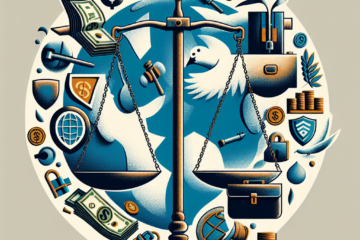
As we continue to navigate through the complexities of modern society in 2025, the role of government in promoting social justice has never been more vital. Social justice encompasses issues of equality, rights, and the fair distribution of resources, making it a cornerstone of democratic governance. Governments worldwide are tasked with the challenge of addressing systemic inequities and fostering an environment where all citizens can thrive. This article will explore the multifaceted roles governments play in promoting social justice, alongside the strategies they employ and the barriers they face.
Understanding the Concept of Social Justice
Social justice is a philosophical and ethical framework centered around the idea that individuals should have equal rights and access to resources regardless of their backgrounds, ethnicity, or socioeconomic status. In recent years, the definition has evolved to encompass broader dimensions, including environmental justice, gender equity, and economic parity. Governments are seen as pivotal actors in fostering an environment that encourages these values, especially by enacting policies that dismantle structural barriers to equality.
In 2025, social justice also speaks to the climate crisis, where marginalized communities often bear the brunt of environmental degradation. Governments, recognizing this reality, must prioritize intersectional approaches to justice that include ecological factors in policy decisions. Social justice creates a blueprint for equitable societies, emphasizing collective responsibility and engagement, ensuring that all groups contribute to and benefit from social progress.
The Role of Legislation in Advancing Justice
Legislation serves as a primary avenue through which governments can promote social justice. Governments worldwide have enacted laws to protect marginalized groups from discrimination, such as the Fair Housing Act, The Equality Act, and various anti-discrimination statutes. In 2025, these laws have been scrutinized for effectiveness, inspiring revisions and new proposals aimed at further protecting vulnerable communities. Legislative actions should not only penalize discriminatory practices but also incentivize equitable opportunities across the board.
Additionally, governments have mobilized through comprehensive social programs designed to uplift disadvantaged groups. Initiatives like universal basic income, affordable healthcare, and access to quality education are being viewed as critical components of a just society. The relationship between legislation and social justice is evident; while laws set the foundation for fair treatment, social programs operationalize those rights by providing tangible support to those in need.
The Government’s Role in Economic Equity
Economic inequity remains a significant barrier to achieving social justice, prompting governments to initiate policies directed at wage equity, minimum wage laws, and labor rights protections. In 2025, countries are increasingly focused on addressing wealth disparity through taxation systems that promote the equitable distribution of wealth. Progressive tax policies aimed at high-income earners are a means of funding social programs that support low-income families, thus bridging the economic gap.
Moreover, public employment and job creation programs play a crucial role in promoting economic equity. In the wake of the pandemic, many governments have invested in green jobs and technological industries aimed at providing decent work while addressing the climate crisis. The government is expected to lead these initiatives, ensuring that marginalized communities are prioritized in workforce development, thus actively contributing to the economic landscape and enhancing their participation in society.
Education and its Impact on Social Justice
Education has long been heralded as a powerful tool for promoting social justice. Governments have a responsibility to ensure that quality education is accessible to all, effectively bridging the gap between different socioeconomic and cultural groups. In 2025, innovative policies have emerged aimed at reducing educational inequities, such as expanded funding for public schools in underserved communities and initiatives to recruit and train teachers from diverse backgrounds.
Furthermore, incorporating social justice education into school curriculums is crucial in fostering a more inclusive mindset among younger generations. By teaching concepts of equality, diversity, and respect for human rights, governments can install the fundamentals of social justice at an early age. Educating citizens about their rights empowers individuals to advocate for their own interests and the interests of marginalized groups, reinforcing government commitments to justice and equality.
The Global Perspective on Government and Social Justice
The responsibility of governments in promoting social justice extends beyond national borders, particularly in an increasingly interconnected world. International human rights treaties and agreements, such as the Sustainable Development Goals (SDGs), set benchmarks for nations to aspire toward. By actively engaging in collaborative international efforts, governments can share best practices, receive technical assistance, and enhance their capacity to address social justice issues.
In 2025, the global response to migration, refugees, and humanitarian crises underscores the importance of cooperation in the advancement of social justice. Governments must work collectively to develop policies that respect the rights of migrants and refugees while addressing their needs for integration into host communities. Through solidarity and shared responsibility, nations can effectively promote a more just world where everyone has the opportunity for a better life.
Conclusion
In conclusion, the role of government in promoting social justice is multifaceted and essential. Through legislation, economic initiatives, educational reforms, and global cooperation, governments can foster an environment where fairness and equity thrive. While significant strides have been made, the ongoing challenges require a persistent commitment to these principles. As we advance further into 2025, it becomes increasingly clear that governments must not only act as protectors of rights but also as champions of meaningful change in society.
FAQs
What is social justice?
Social justice refers to the fair and just distribution of resources, opportunities, and rights within a society, ensuring that all individuals, regardless of background, have access to what they need to thrive.
How can governments promote social justice?
Governments can promote social justice through legislation that protects the rights of marginalized groups, by investing in social programs that provide equitable access to education and healthcare, and by addressing economic disparities through fair taxation policies.
What role does education play in social justice?
Education is vital in paving the way for social justice by providing equitable learning opportunities, fostering awareness about rights and responsibilities, and empowering future generations to advocate for equity and inclusion.
Why is economic equity important for social justice?
Economic equity is crucial because it addresses the disparities in wealth and access to resources. When economic barriers are removed, individuals can participate more fully in society, contributing to overall social stability and progress.
How can international cooperation enhance social justice efforts?
International cooperation allows countries to learn from one another, share resources and best practices, and work collaboratively to address global challenges such as migration and climate change, thereby fostering greater social justice on a global scale.