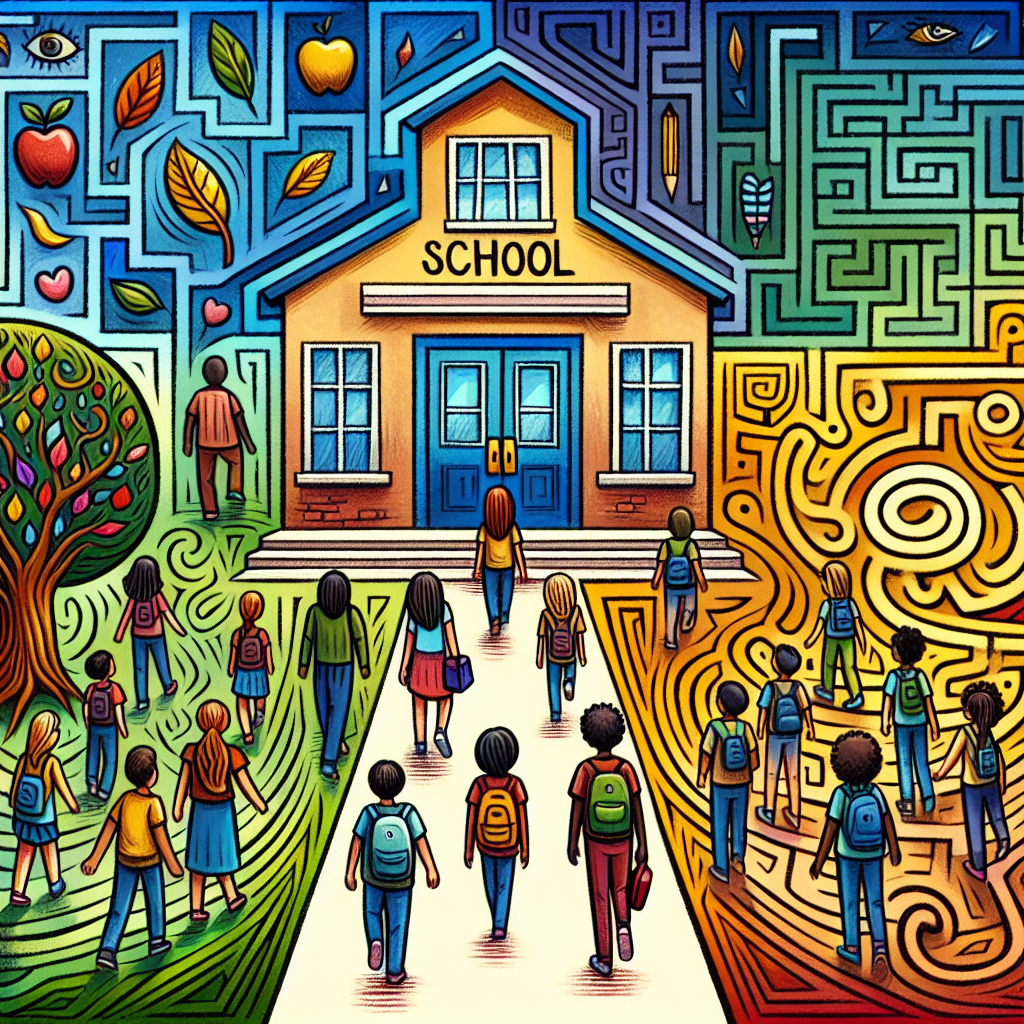
Rethinking Education: Embracing Diversity and Inclusion in Schools
In 2025, the educational landscape is undergoing a transformative shift, with a strong focus on diversity and inclusion in schools. The traditional one-size-fits-all approach to education is gradually being replaced by frameworks that celebrate individual differences, cultural backgrounds, and varied learning needs. As we rethink education, it’s crucial to understand how embracing diversity and inclusion not only enriches the learning experience but also fosters social cohesion and prepares students for a globalized world. By prioritizing these values, we can create educational environments that are more equitable, supportive, and effective for all students.
Understanding Diversity in Education
Diversity in education encompasses a wide range of dimensions, including race, ethnicity, gender identity, sexual orientation, socio-economic status, and learning abilities. In recent years, educators and policymakers have recognized that embracing these differences is critical to fostering an inclusive environment that maximizes the potential of every student. In 2025, schools are increasingly adopting curricula that reflect diverse perspectives, ensuring that students can see themselves represented in the materials they study. This not only helps minority students feel valued but also broadens the horizons of all learners, fostering empathy and understanding from an early age.
The need for diversity in education is further underscored by the changing demographics of the global population. As our society becomes more multicultural, teaching students about different cultures, histories, and worldviews is essential for preparing them to thrive in a diverse society. Modern educational practices emphasize not just the importance of diversity but also the need for inclusivity. This means recognizing systemic barriers that prevent some students from fully participating in the educational experience and actively working to dismantle these barriers.
The Importance of Inclusion in Schools
Inclusion is the practice of ensuring that students of all backgrounds and abilities learn together in the same educational settings. It goes beyond merely having a diverse student body; it involves creating environments where all students feel welcome, safe, and empowered to succeed. In 2025, educators understand that inclusive practices lead to improved social skills, greater academic performance, and a stronger sense of belonging. Research shows that when students with different abilities learn alongside their peers, all students benefit from a broader range of perspectives and experiences.
Moreover, inclusive education helps combat stigma and discrimination by fostering acceptance and collaboration among students. By working together in diverse groups, students learn to appreciate and value each other’s differences, which is especially important in an increasingly polarized society. Teachers are being trained in culturally responsive pedagogy, equipping them with the skills needed to engage all students effectively. This approach addresses various learning styles and cultural norms, ensuring that every student receives personalized support tailored to their unique needs.
Strategies for Implementing Diversity and Inclusion
To successfully implement diversity and inclusion in schools, educators must integrate several key strategies that foster an inclusive culture. Firstly, it’s essential to evaluate and update curricula to include diverse perspectives and authors from various backgrounds. An inclusive curriculum should reflect the diversity of the student population and the society they live in, helping all students connect their learning to their own lives. Schools are increasingly incorporating project-based and experiential learning opportunities that promote collaboration and understanding among students from different backgrounds.
Secondly, professional development for teachers is critical in enhancing their cultural competence. Comprehensive training programs equip educators with the tools and knowledge required to celebrate diversity effectively, address unconscious biases, and engage in difficult conversations about race and identity. As of 2025, many districts are integrating equity-centered leadership training into their professional development initiatives, enabling educators to recognize and tackle systemic inequalities within their schools.
Lastly, fostering parental and community involvement in educational processes is crucial in the creation of inclusive schools. Building partnerships with parents, community organizations, and local businesses ensures a more holistic approach to education. Successful schools in 2025 are actively creating spaces for parents to share their voices and perspectives. Engaging families in decision-making processes not only strengthens community ties but also enhances the overall educational experience for students, fostering a collaborative environment.
Measuring Progress and Success in Inclusive Education
To ensure that diversity and inclusion efforts are effective, schools must develop metrics to measure progress and success. In 2025, many educational institutions are utilizing data analytics to assess the impact of inclusive practices on student outcomes, well-being, and engagement. This involves collecting qualitative and quantitative data, such as academic performance, attendance rates, and student feedback. By understanding which strategies are effective, schools can refine their approaches and allocate resources toward the most impactful initiatives.
Moreover, schools are increasingly using student-led initiatives to promote diversity and inclusion. Empowering students to take charge of these efforts increases their investment in the process and helps nurture leadership skills. Establishing diversity councils or student ambassador programs allows pupils to voice their perspectives and contribute to creating a more inclusive school environment. These initiatives not only foster a sense of ownership among students but also encourage active citizenship, teaching students the importance of advocacy and community action.
Additionally, involving external stakeholders, such as civil society organizations and experts in diversity and inclusion, can help schools stay accountable. Collaboration with organizations dedicated to social justice and equity provides schools with valuable resources and training opportunities. In 2025, many schools are embracing partnerships with NGOs to host workshops, seminars, and activities that challenge stereotypes and promote cultural appreciation within the educational community.
The Future of Diversity and Inclusion in Education
Looking ahead, the future of education must prioritize diversity and inclusion as fundamental values rather than afterthoughts. As society continues to evolve, schools will need to adapt to the increasing demands of a globalized workforce that values creativity, collaboration, and diverse problem-solving approaches. By 2025, schools characterized by diversity and inclusion are expected to produce graduates who are not only academically proficient but also socially responsible and culturally competent.
Moreover, technology will play a significant role in advancing diversity and inclusion in education. In recent years, digital learning platforms have created opportunities for personalized learning experiences that cater to students’ unique needs and backgrounds. Virtual classrooms and online resources can provide students access to a wealth of diverse perspectives and educational materials from around the globe. By harnessing technology judiciously, schools can create inclusive environments that extend learning beyond traditional classroom boundaries.
Finally, advocacy for systemic change is essential to ensure diversity and inclusion in schools. Stakeholders must work together to address the root causes of inequality and establish policies that promote equity at every level of the education system. In 2025, there is a growing recognition of the need for comprehensive reforms that prioritize diversity, inclusion, and equitable access to high-quality education for all students. Through collective action and commitment, we can shape a more inclusive educational future that reflects the richness of our diverse society.
Conclusion
Rethinking education through the lens of diversity and inclusion is vital to fostering equitable learning environments in 2025 and beyond. Embracing variety in cultural backgrounds, learning styles, and personal experiences enriches the educational landscape, ultimately preparing students for a diverse world. By implementing inclusive practices, engaging communities, measuring progress, and utilizing technology, we can transform schools into inclusive spaces that nurture the potential of all students. As we move forward, it is crucial to prioritize diversity and inclusion as fundamental components of a high-quality educational experience, ensuring that every student has the opportunity to succeed.
FAQs
Why is diversity important in education?
Diversity in education enhances the learning experience by exposing students to a variety of perspectives, fostering empathy, and preparing them for a multicultural world. It promotes social cohesion and helps combat stereotypes and discrimination.
What does inclusion mean in the context of education?
Inclusion in education refers to the practice of ensuring that all students, regardless of their backgrounds or abilities, learn together in the same classroom environment. It involves providing support and accommodations to create equitable educational opportunities for everyone.
How can schools measure their progress in diversity and inclusion?
Schools can measure their progress in diversity and inclusion by collecting data on student outcomes, well-being, and engagement, alongside qualitative feedback from students, parents, and staff. Regular evaluations and assessments can help refine inclusive strategies and ensure their effectiveness.
What role do teachers play in fostering diversity and inclusion?
Teachers play a crucial role in fostering diversity and inclusion by creating inclusive classroom environments, utilizing diverse curricula, addressing unconscious biases, and promoting collaboration and understanding among students of various backgrounds.
How can technology support diversity and inclusion in education?
Technology can support diversity and inclusion by providing personalized learning experiences, expanding access to diverse educational resources, and creating opportunities for collaboration among students from different geographical and cultural backgrounds.