
Introduction
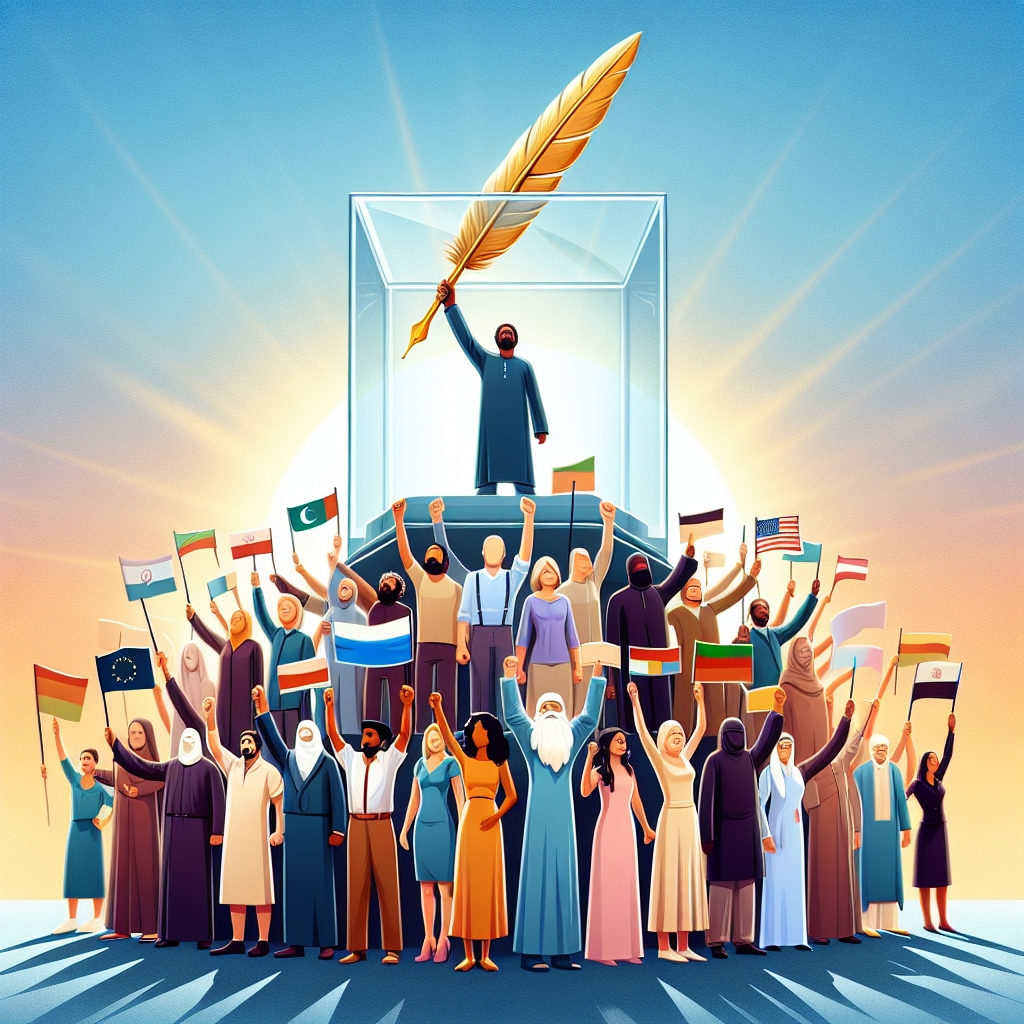
In 2025, the defense of freedom of speech remains a vital issue in societies marked by diversity. As communities grow increasingly heterogeneous, the challenge of balancing individual expression with collective respect becomes more pronounced. Freedom of speech is not just a simple right; it is the foundation of democratic discourse and social progression. Understanding how to defend this fundamental liberty in a way that honors diverse perspectives is essential for fostering harmony and resilience in our public sphere. This article explores the complexities of defending freedom of speech in a diverse society and the responsibilities that come with it.
The Importance of Freedom of Speech in a Diverse Society
Freedom of speech serves as a cornerstone of democratic societies, allowing individuals to express diverse opinions without fear of censorship or retaliation. In diverse societies, this right becomes even more crucial. It enables marginalized voices to rise and contribute to public discourse, ensuring that all individuals, regardless of background, have the opportunity to share their experiences and perspectives. In 2025, the digital landscape has amplified these voices, giving rise to platforms where ideas can flourish, fostering understanding and empathy among various groups.
Moreover, the unimpeded exchange of ideas is critical for societal growth and innovation. In diverse communities, promoting dialogue leads to the discovery of shared values and the resolution of longstanding tensions. By defending freedom of speech, societies can cultivate an environment where disagreements are resolved through constructive conversations rather than conflict. This not only enriches the civic life but also strengthens democratic institutions and social cohesion, allowing heterogeneous communities to negotiate their differences and work toward common goals.
Legal Framework Supporting Freedom of Speech
The legal frameworks surrounding freedom of speech vary from country to country, yet international human rights instruments provide a foundational layer of protection. Instruments such as the Universal Declaration of Human Rights and the International Covenant on Civil and Political Rights advocate for freedom of expression globally, emphasizing its role as a basic human right. In 2025, these protections have been tested by the rise of misinformation and hate speech in digital spaces, prompting legal debates about the boundaries of free speech in maintaining public order and national security.
In many nations, laws protect individual rights to express themselves, but these protections often clash with regulations aimed at preventing hate speech or defamation. This ongoing tension necessitates a careful approach in legal discourse, balancing the need to support free expression while protecting vulnerable populations from harmful rhetoric. Legal challenges in recent years have highlighted the importance of context in determining what constitutes acceptable speech, leading to calls for clearer guidelines that respect both free speech and human dignity.
Challenges to Freedom of Speech Today
The landscape of free speech has evolved dramatically with the advent of social media and digital communication. In 2025, the platforming and de-platforming of users has sparked heated discussions around censorship and corporate governance of speech. While social media platforms claim to uphold free expression, they also grapple with the responsibility to mitigate the spread of hate speech, misinformation, and harassment. This overarching challenge creates a paradox where some voices may be silenced to protect the wider community, complicating efforts to defend freedom of speech effectively.
Furthermore, political polarization has made it increasingly difficult for individuals to engage in meaningful dialogue without falling into tribal mentalities. In diverse societies, differing ideologies can foster environments where dissenting opinions are met with hostility rather than debate. This trend has led to self-censorship as individuals fear backlash or social ostracism for expressing unpopular views. In such environments, the commitment to defending freedom of speech becomes paramount, not only to uphold rights but also to encourage open discourse that challenges prevailing narratives.
The Role of Education in Promoting Free Speech
Education plays a pivotal role in fostering an appreciation for freedom of speech within diverse societies. Programs that emphasize critical thinking and media literacy are essential for equipping individuals with the tools to navigate complex social dynamics. In 2025, educational institutions are increasingly recognizing the importance of teaching students how to engage constructively with opposing viewpoints, fostering a culture of respect and understanding. By promoting critical dialogue, education cultivates resilient citizens who can articulate their opinions thoughtfully and consider the perspectives of others.
Moreover, inclusive curricula that introduce diverse narratives help students understand the implications of freedom of speech beyond legal definitions. When individuals see the value of diverse voices, they are more likely to advocate for the rights of others, creating a culture that inherently supports free expression. This educational ethos encourages civic engagement and participation, empowering individuals to exercise their rights responsibly and to stand against attempts to silence dissent.
Community Initiatives for Defending Freedom of Speech
Community-based initiatives are vital in defending freedom of speech in a diverse society. Organizations dedicated to promoting dialogue among different cultural and ideological groups help to bridge divides and foster understanding. Initiatives such as cultural exchange programs, community forums, and public debates are instrumental in providing spaces for open dialogue. In 2025, these programs are not just localized efforts; they often leverage digital platforms to reach broader audiences, creating opportunities for individuals from various backgrounds to connect and engage meaningfully.
Additionally, grassroots movements advocating for free speech have gained momentum, emphasizing the power of collective action in the digital age. Activism that champions the rights to express unpopular opinions or to amplify underrepresented voices creates a supportive network that encourages individuals to speak out without fear. These movements also promote artistic expression as a means of communication, using creative mediums to challenge norms and spark conversations about the importance of free speech in diverse societies.
Conclusion
Defending freedom of speech in a diverse society is a complex but essential pursuit in 2025. By recognizing the importance of this right, understanding the legal frameworks that support it, addressing contemporary challenges, emphasizing the role of education, and fostering community initiatives, we can create an environment where diverse voices contribute to a richer and more inclusive discourse. As we navigate the intricacies of free expression, it is crucial to balance rights with responsibilities, ensuring that all individuals are empowered to speak freely while promoting mutual respect and understanding.
FAQs
What is freedom of speech?
Freedom of speech is the right to express opinions, ideas, and beliefs without fear of retaliation or censorship. This right is considered a cornerstone of democratic societies.
Why is freedom of speech important in a diverse society?
In a diverse society, freedom of speech allows for the expression of varied perspectives, promoting dialogue, understanding, and social cohesion.
What are the legal protections for freedom of speech?
Legal protections for freedom of speech are outlined in various international human rights frameworks, national constitutions, and laws, which aim to ensure that individuals can express themselves freely while considering limitations against hate speech and defamation.
What challenges does free speech face today?
Challenges to free speech today include the rise of misinformation, hate speech, political polarization, and censorship on social media platforms, all of which complicate the discourse surrounding individual expression.
How can education promote freedom of speech?
Education can promote freedom of speech by teaching critical thinking, media literacy, and inclusive curricula that introduce diverse narratives, preparing individuals to engage thoughtfully with various perspectives.