Introduction
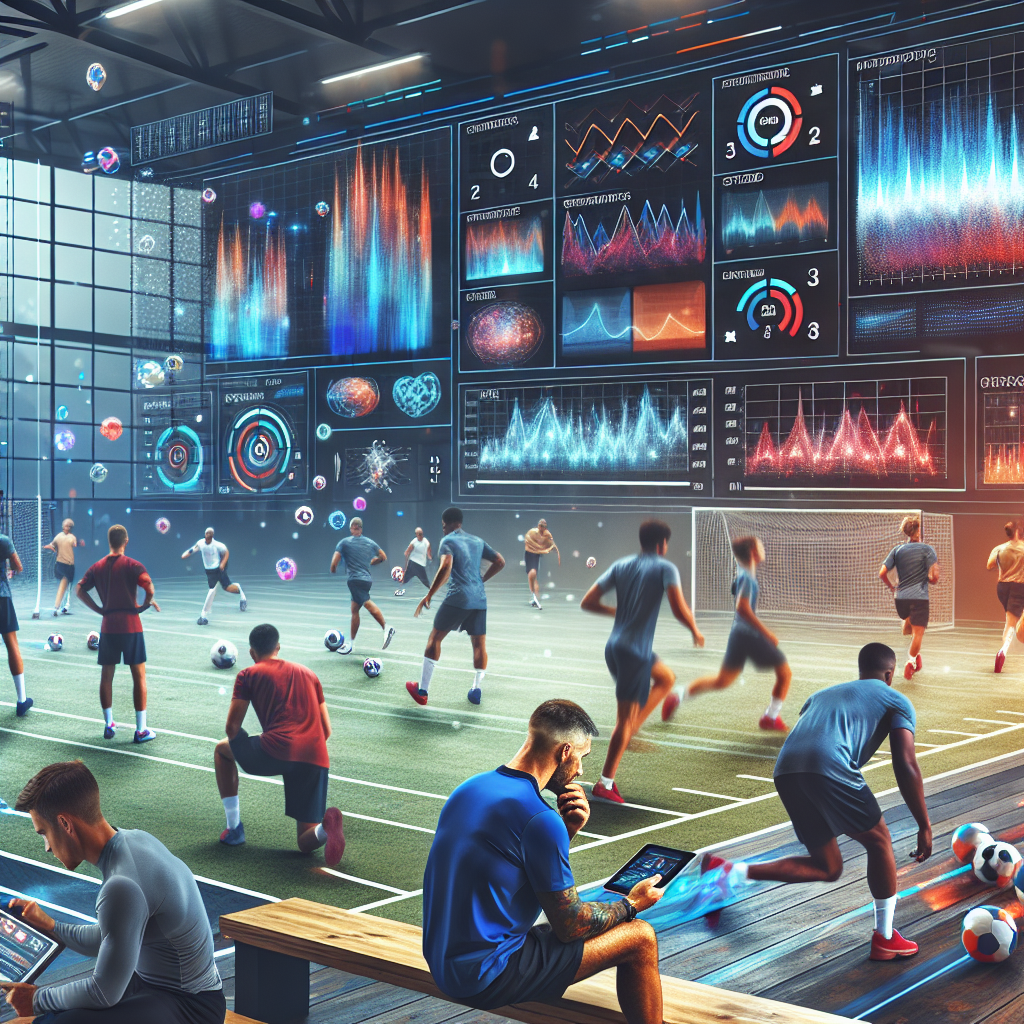
In 2025, sports analytics has reached unprecedented heights, primarily due to the integration of real-time data. This revolution is reshaping not just how teams strategize and perform, but also how fans experience sports. The use of real-time data in sports analytics offers insights at an instantaneous level, providing coaches, athletes, and analysts with crucial information to make informed decisions. This article delves into how real-time data is revolutionizing sports analytics, offering a closer look at its impact, implementation, and the future of sports.
The Impact of Real-Time Data on Sports Performance
Real-time data is a game-changer in the realm of sports performance. Coaches and teams are now equipped with advanced technologies that allow for the collection and analysis of data during live games. For instance, biometric sensors on players can provide insights into their physical condition, fatigue levels, and overall performance metrics. These insights enable coaches to make real-time adjustments to lineups and strategies, vastly improving team performance during crucial moments.
Moreover, real-time data analytics fosters a more adaptive approach to training regimens. By continuously monitoring performance metrics during practices and games, trainers can tailor workouts to address specific weaknesses or fatigue signals. This personalized training approach not only maximizes player performance but also significantly reduces the risk of injuries, ensuring that athletes remain in peak condition throughout the season.
Technologies Driving Real-Time Analytics in Sports
The advancement of technology has been fundamental in the evolution of sports analytics. Technologies such as GPS tracking systems, wearable devices, and computer vision software are at the forefront of real-time data collection. GPS tracking allows teams to monitor players’ movements and speeds, providing valuable insights into their positioning and stamina. This technology enhances the tactical understanding of each player’s role within the game and informs coaching strategies.
Additionally, computer vision systems can analyze video feeds in real time to track the ball and players’ movements. This analysis helps coaches identify patterns, optimize plays, and make strategic decisions based on live data. The combination of these technologies is creating a highly detailed picture of game dynamics, enabling teams to adjust their tactics on the fly and maintain a competitive edge.
Enhancing Fan Engagement through Real-Time Data
The integration of real-time data is not limited to players and coaches; fans are also experiencing enhanced engagement as a result. In-stadium displays, mobile apps, and broadcast feeds are increasingly providing fans with live statistics, player tracking, and advanced analytics during games. This accessibility to real-time data creates a more immersive experience, allowing fans to appreciate the complexities of the game and feel connected to the action.
Furthermore, augmented reality (AR) and virtual reality (VR) technologies are taking fan engagement to new levels. By incorporating real-time analytics, AR applications can overlay player stats and performance metrics onto the physical view of the game. This information-rich experience not only captivates the audience but also educates them about the intricacies of the sport. Such innovations are redefining the sports viewing experience, leading to higher engagement rates and fan loyalty.
Challenges and Considerations in Real-Time Sports Analytics
While the advantages of real-time data in sports analytics are abundant, several challenges must be addressed for its continued evolution. One major issue is data overload. Coaches and analysts may find themselves inundated with information, which can lead to confusion and analysis paralysis. To mitigate this, it’s essential for organizations to establish clear objectives for data usage and invest in sophisticated analytics platforms capable of filtering and presenting data that aligns with those goals.
Another critical consideration is data privacy and security. As more teams adopt real-time data technologies, the need to secure sensitive player information is paramount. Ensuring that data collected from wearable devices and other technologies is protected from breaches is essential to maintain trust among players and organizations. Establishing robust data security measures and complying with regulations are vital steps toward creating a safe environment for data use in sports analytics.
The Future of Real-Time Data in Sports Analytics
Looking ahead, the future of real-time data in sports analytics is poised for further innovation. The integration of artificial intelligence (AI) and machine learning (ML) will likely play a significant role in enhancing data analysis. These advanced technologies can predict player performance and optimize training plans by learning from vast datasets. As AI systems become more sophisticated, teams will be able to leverage predictive analytics to anticipate game situations and player behaviors, ultimately leading to better decision-making on and off the field.
Additionally, the increasing prevalence of 5G technology promises to revolutionize how real-time data is transmitted and processed. With faster data transfer speeds and lower latency, teams will be able to analyze real-time data from multiple sources simultaneously, enhancing situational awareness during games. The potential for 5G integration in sports analytics can empower teams to refine tactical decisions instantaneously, shaping the future of competitive sports.
Conclusion
The revolutionizing landscape of sports analytics through real-time data is reshaping how teams perform, fans engage, and overall strategies are devised in the sports arena. The impact of real-time insights extends beyond immediate performance improvements, touching on training, fan experiences, and even broader implications for sports technology. However, navigating the challenges that come with these innovations will be crucial in realizing the full potential of real-time data. As technology continues to advance, the synergy between sports and data analytics will only strengthen, leading to a future where informed decisions are made in the blink of an eye.
FAQs
What is real-time data in sports analytics?
Real-time data in sports analytics refers to the immediate collection and analysis of data produced during games and practices, allowing teams to make quick, informed decisions based on the live performance of athletes.
How do teams use real-time data?
Teams use real-time data to monitor player performance, identify strengths and weaknesses, adjust game tactics, enhance training programs, and improve overall team performance during competitions.
What technologies are used in real-time sports analytics?
Key technologies in real-time sports analytics include GPS tracking systems, wearable devices, computer vision, and artificial intelligence, which collectively provide comprehensive insights into player performance and game dynamics.
How does real-time data enhance fan engagement?
Real-time data enhances fan engagement by providing live statistics, player tracking information, and personalized insights during games, which creates an interactive and immersive viewing experience for fans.