Unraveling the Web of Political Corruption in Modern Democracies

Unraveling the Web of Political Corruption in Modern Democracies
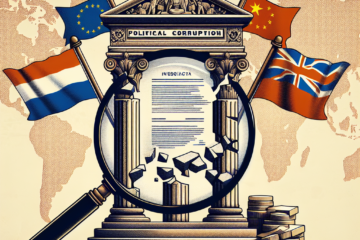
Political corruption remains a pressing issue across modern democracies in 2025. As democratic institutions strive to uphold transparency and accountability, the intertwining threads of corrupt practices often threaten their very foundations. This article aims to dissect the multifaceted layers of political corruption, exploring its causes, impacts, and potential solutions, thereby unraveling the complex web that entangles governance. From the rise of populist movements to the influence of technology, we’ll examine how these factors contribute to the deterioration of democratic norms and the public’s trust in political systems.
The Nature of Political Corruption in Democracies
Political corruption is often defined as the abuse of public office for personal gain. It manifests in various forms, including bribery, nepotism, embezzlement, and electoral fraud. In democratic systems, where power is derived from the consent of the governed, corruption undermines the legitimacy of elected officials and erodes trust in governmental institutions. In 2025, we’ve seen a notable increase in incidents where politicians exploit their positions, often with impunity, leading to widespread disillusionment among voters.
One of the key characteristics of political corruption in modern democracies is its adaptability. As governments around the world become more complex and interconnected, corrupt practices evolve to evade detection. For instance, digital technology facilitates more sophisticated methods of bribery, such as cryptocurrency transactions that obscure the trail of corruption. Despite the advancements in transparency initiatives, the persistence of shadowy dealings and opaque funding in political campaigns undermines efforts aimed at counteracting such malfeasance.
The Roots of Corruption in Political Systems
Understanding the underlying causes of political corruption is crucial for any attempts to combat it. A significant contributor is the disparity of power within political institutions. Often, a small clique of individuals holds considerable influence over key decisions, creating an environment ripe for favoritism and corrupt practices. In many democracies, the lack of diverse representation allows these individuals to operate without sufficient checks and balances, further perpetuating the cycle of corruption.
Additionally, economic factors play a fundamental role in breeding corruption across political landscapes. In 2025, we continue to observe that countries facing financial instability and high levels of poverty see a pronounced increase in corrupt practices. Citizens, desperate for economic security, may resort to bribing officials to expedite services or, conversely, political actors may seek illicit funding to secure their positions. This vicious cycle reinforces the notion that corruption is not just a moral failing but also a response to the structural inequities in society.
The Consequences of Political Corruption on Democracy
The far-reaching effects of political corruption on modern democracies cannot be overstated. First, it compromises the effectiveness of governance. As corrupt officials prioritize personal gain over public welfare, essential services suffer, and policies that benefit the populace often take a backseat to bureaucratic inefficiencies. This degradation of function ultimately leads to public dissatisfaction and a decline in civic engagement, as citizens feel that their voices and needs are being ignored.
Moreover, political corruption disrupts social cohesion. When citizens perceive their leaders as corrupt, social trust diminishes, creating an “us versus them” mentality. In 2025, public protests against corruption and demands for accountability have surged in various democracies, reflecting a growing desire for systemic change. Alas, such unrest can easily escalate into more profound societal issues, including political instability and civil unrest, emphasizing the urgent need for reform.
Another critical consequence is the international implications of corruption. Democratic nations perceived as corrupt face challenges in diplomacy and trade. They may suffer from reduced foreign investment and face difficulties in collaborating with other countries to address global issues like climate change or health emergencies. In a world increasingly driven by global cooperation, political corruption can isolate nations, hindering collective progress.
Combatting Political Corruption: Challenges and Strategies
Efforts to combat political corruption are often met with significant challenges. One major obstacle is the entrenched nature of corrupt practices within political institutions. It can be disheartening for reformers, as changes to existing systems may be resisted by those benefiting from the status quo. In 2025, government initiatives aimed at promoting transparency often face backlash from powerful lobbies and interest groups that thrive in opaque environments.
However, various strategies have been proposed and implemented to tackle this issue effectively. One prominent approach is enhancing transparency and accountability mechanisms. By making public spending and political donations more open and accessible, citizens will have greater oversight over governmental actions. Technological innovations such as blockchain technology are increasingly being utilized to record transactions and document policy decisions, which can reduce opportunities for corrupt behavior.
Education and public awareness campaigns are also vital in fostering environments that detest corruption. By informing citizens about their rights and equipping them with the tools to report corrupt behavior, societies can build a culture of integrity. Initiatives that encourage civic engagement and participation build stronger communities that are less susceptible to corruption. In 2025, grassroots movements championing transparency are gaining traction, making their voices heard in favor of reforms that promote good governance.
The Role of International Cooperation in Fighting Corruption
In an increasingly interconnected world, international cooperation is paramount in the fight against political corruption. Corrupt activities often transcend borders, necessitating collaborative efforts to create meaningful change. In 2025, numerous global organizations are strengthening frameworks for international treaties that address corruption, ensuring collaborative enforcement among nations. These agreements provide mechanisms that allow for the sharing of intelligence and best practices to tackle corruption more effectively.
Furthermore, international NGOs play a critical role in holding governments accountable. By advocating for higher standards of integrity and civic engagement, these organizations help expose corrupt practices and mobilize public support for necessary reforms. The influence of social media has amplified these efforts, allowing citizens to rally behind causes aimed at curtailing corruption and demanding accountability from their leaders.
A notable example of successful international collaboration is the implementation of cross-border financial regulations aimed at minimizing money laundering and illicit financial flows. In 2025, countries that have adopted these regulations report a positive impact on the governance of state institutions, contributing to a decline in corruption rates. Such concerted actions demonstrate that comprehensive efforts that include multiple stakeholders can yield significant results in the fight against political corruption.
Conclusion
As we proceed through 2025, the need to unravel the web of political corruption in modern democracies is more pressing than ever. Key factors, including the nature and roots of corruption, its consequences on governance and society, as well as strategies for combating it, highlight the complexities of this pervasive issue. Addressing political corruption is paramount in restoring trust in democratic institutions and promoting a more just and equitable society. By fostering transparency, accountability, and international cooperation, we can create resilient democracies capable of withstanding the corrosive effects of corruption.
FAQs
What are the common forms of political corruption?
Political corruption commonly manifests as bribery, embezzlement, nepotism, cronyism, and electoral fraud.
How can citizens help combat political corruption?
Citizens can combat political corruption by reporting suspicious activities, participating in civic engagement, advocating for transparency, and supporting anti-corruption laws and initiatives.
What role does technology play in addressing political corruption?
Technology enhances accountability through transparency initiatives like open data platforms and blockchain for recording transactions, helping to reduce opportunities for corrupt behavior.
Why is political corruption a global issue?
Political corruption is a global issue because it undermines democratic governance, encourages financial instability, and exacerbates inequality, affecting international cooperation and development.
What international organizations fight against political corruption?
Organizations such as Transparency International, the United Nations Office on Drugs and Crime (UNODC), and the Organization for Economic Co-operation and Development (OECD) work towards combating corruption on a global scale.