The importance of voting in a democratic society cannot be overstated. Unfortunately, the implementation of voter ID laws has brought significant focus on voting rights, particularly for marginalized communities. These laws, which proponents argue provide security and integrity to the electoral process, disproportionately affect individuals from various backgrounds, including low-income families, people of color, the elderly, and the disabled. This article delves into the multifaceted impact of voter ID laws on marginalized communities, evaluating the challenges they face and the broader implications for democracy.
The Nature and Purpose of Voter ID Laws
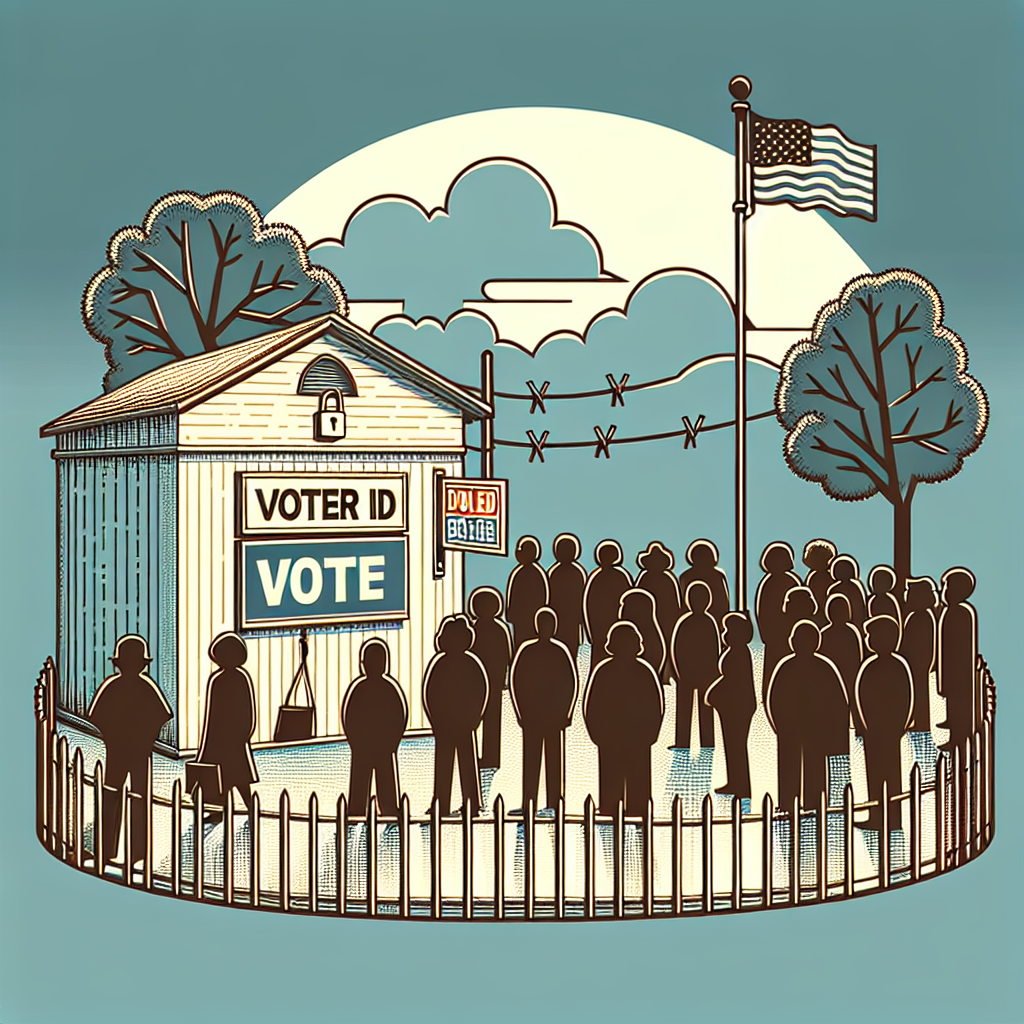
Voter ID laws require individuals to present specific forms of identification before they can cast a ballot. These laws are often positioned as a necessary measure to combat voter fraud and ensure the integrity of elections. However, a closer analysis reveals that the justification for such laws may not hold up under scrutiny. According to a report by the Brennan Center for Justice, the incidence of voter fraud is exceedingly low across the United States, with cases often fewer than 0.01%. Critics of voter ID laws argue that the actual impact is disproportionately borne by marginalized populations, effectively disenfranchising many eligible voters rather than enhancing electoral security.
The varying requirements of voter ID laws can lead to confusion and a lack of understanding among voters, particularly those who are less familiar with the political landscape. In many states, acceptable forms of identification range from state-issued IDs to more stringent requirements such as photo identification, which can create barriers for those who do not possess the required documents. This discrepancy exacerbates existing inequalities, making it increasingly difficult for marginalized communities to exercise their right to vote.
The Disproportionate Impact on Marginalized Communities
Marginalized communities—encompassing people of color, low-income individuals, the elderly, and those with disabilities—face systemic challenges that make it more difficult for them to obtain the required IDs demanded by these laws. For instance, low-income voters may lack the financial resources to obtain proper identification or may not have access to transportation to ID-issuing offices. These barriers are compounded by the fact that many individuals in these communities may not have the necessary documents readily available, such as birth certificates or Social Security cards.
Additionally, people of color often face additional hurdles due to systemic racism, which can manifest in various ways—such as discriminatory policies at ID-issuing offices or a lack of awareness about the laws themselves. In particular, data from states that have enacted strict voter ID laws show a significant discrepancy in voter turnout among racial minorities compared to whites. This further entrenches existing inequalities in the electoral process and diminishes the political power of marginalized groups.
The Legal and Political Landscape of Voter ID Laws
The legal framework surrounding voter ID laws is complex and often contentious. States have varying requirements, and ongoing litigation often challenges the constitutionality and fairness of these laws. Some courts have found that strict ID requirements violate the Voting Rights Act, while others have upheld such laws as constitutional. This patchwork of regulations creates confusion among voters, particularly those from marginalized communities who may not be aware of their rights or the specific requirements in their state.
Additionally, the political motivation behind voter ID laws cannot be overlooked. In many cases, these laws are crafted by lawmakers who argue that they are protecting the integrity of elections. However, critics argue that the laws often serve as a tool for voter suppression, particularly targeted at groups that historically lean Democratic. This politicization of voter ID laws complicates an already charged debate around voting rights and highlights the need for comprehensive reforms to ensure fair and equal access to the electoral process for all citizens.
Efforts to Counteract the Effects of Voter ID Laws
In response to the challenges posed by voter ID laws, various organizations and advocacy groups have mobilized to counteract their effects. Grassroots efforts have focused on education and outreach campaigns aimed at informing marginalized communities about their voting rights, the requirements necessary to obtain IDs, and how to navigate the voting process. Organizations like the NAACP and the American Civil Liberties Union (ACLU) have played pivotal roles in raising awareness and providing resources to help voters overcome barriers.
Moreover, some states have implemented measures to alleviate the burden of voter ID laws, such as offering free IDs or allowing alternative forms of identification. However, these measures are often insufficient and fail to address the underlying structural inequalities that prevent marginalized individuals from accessing the electoral process. Advocates continue to push for more comprehensive voting reform, including automatic voter registration and efforts to remove barriers to voting altogether, which would create a more inclusive electoral system.
The Road Ahead: Towards an Equitable Voting System
As we look towards the future of voting rights in the United States, addressing the impact of voter ID laws on marginalized communities is critical for fostering an inclusive democracy. Lawmakers must grapple with the implications of these laws and consider reforms that prioritize access and equity. The ongoing commitment to ensuring that every eligible voter can participate in the democratic process is essential, especially as the nation continues to grapple with issues of systemic racial and economic inequality.
Comprehensive voting reform must include efforts to dismantle disenfranchising laws and practices, such as voter ID requirements that disproportionately affect marginalized individuals. Moreover, the active involvement of community organizations, legal advocates, and policymakers is necessary to create a dialogue that centers around the voices and experiences of those most affected by these laws. By prioritizing equitable access to the electoral process, we can move toward a system where every citizen has the opportunity to make their voice heard.
Conclusion
The impact of voter ID laws on marginalized communities is both profound and far-reaching. While these laws are often justified in the name of electoral integrity, the evidence shows that they serve primarily to disenfranchise vulnerable populations who struggle to meet ID requirements. The legal and political landscape surrounding voter ID laws is complex, underscoring the need for ongoing advocacy and reform to protect the rights of all citizens. As we move forward, it is essential to confront these barriers and work toward a more equitable voting system, ensuring a stronger democracy for future generations.
FAQs
What are voter ID laws?
Voter ID laws require individuals to present specific forms of identification before being allowed to vote. These laws can vary significantly from state to state, including requirements for photo ID and acceptable forms of identification.
How do voter ID laws affect marginalized communities?
Voter ID laws disproportionately impact marginalized communities such as low-income individuals, people of color, the elderly, and those with disabilities, often leading to lower voter turnout among these groups due to barriers in ID acquisition.
Are voter ID laws constitutional?
The constitutionality of voter ID laws varies by state and has been challenged in multiple courts. Some courts have ruled against strict ID laws under the Voting Rights Act, while others have upheld them as constitutional.
What efforts are being made to counter voter ID laws?
Many advocacy groups are engaged in outreach and education campaigns aimed at informing marginalized communities about their voting rights and the ID requirements in their state. Additionally, some states are exploring measures to make voting more accessible, such as offering free IDs.
What is the future of voting rights in the United States?
The future of voting rights in the U.S. hinges on comprehensive reforms that prioritize equitable access to the electoral process, including eliminating disenfranchising laws and practices, such as strict voter ID requirements. Advocacy for access and education is vital to achieving a more inclusive democracy.