The Evolution of Scoring Trends in 21st Century Soccer
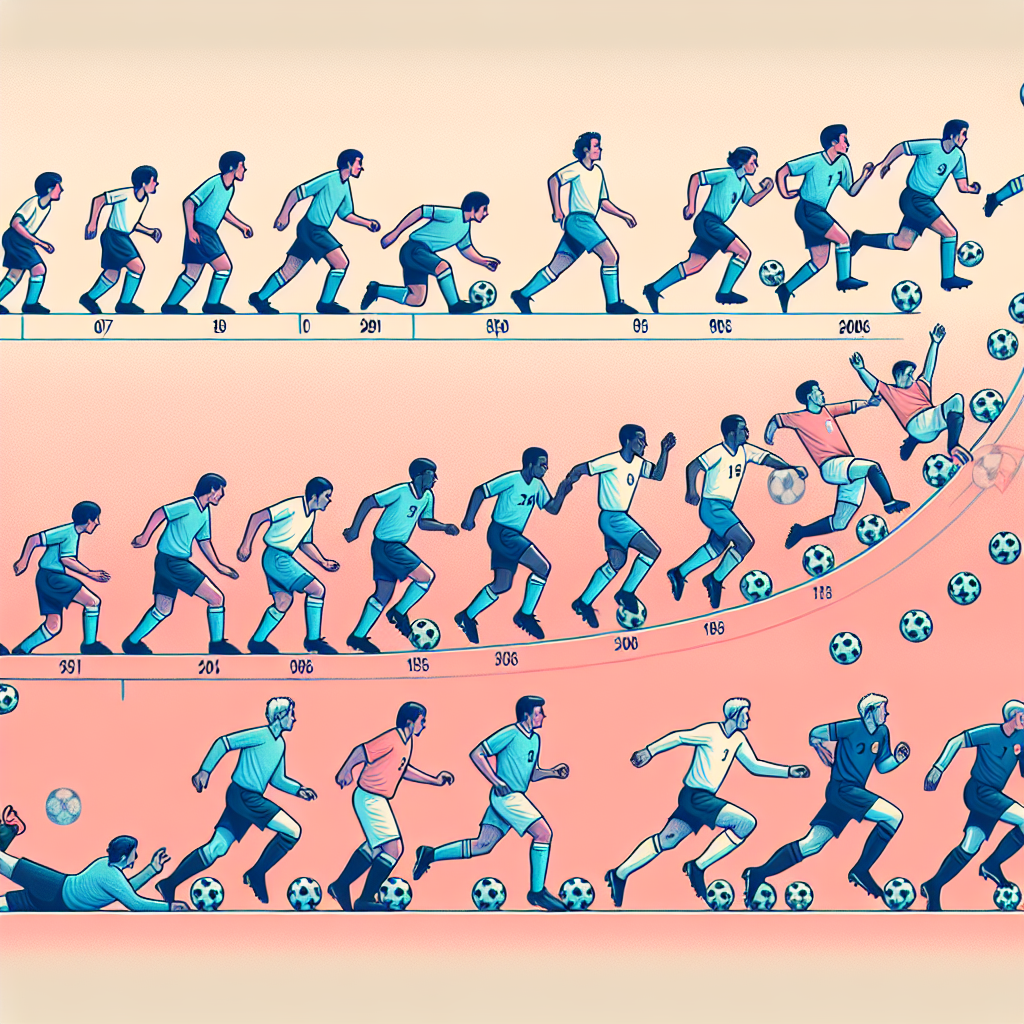
The ongoing evolution of scoring trends in soccer has captivated fans, analysts, and players alike throughout the 21st century. As we delve into the intricate dynamics of this beautiful game, understanding how scoring has transformed since 2000 provides key insights into its tactical, technical, and cultural facets. This exploration reveals not just shifts in the numbers but also the strategies and philosophies that have shaped modern soccer, culminating in a rich tapestry of styles and successes by 2025.
Analyzing Scoring Trends: A Statistical Overview
The 21st century has seen an unmistakable evolution in scoring trends. As of 2025, statistical analyses indicate that the average number of goals scored per match has gradually increased globally. In the early 2000s, the average hovered around 2.5 goals per game. However, innovations in training and tactics, alongside a greater emphasis on attacking play, have led to a surge, with averages now reaching 3.2 goals per game in top leagues like the English Premier League and La Liga. This rise in scoring reflects not only an improvement in offensive strategies but also a willingness from teams to embrace high-pressing and attacking formations.
Moreover, the role of data analytics cannot be overstated in this transformation. With modern techniques, teams can now analyze player movements, shot trajectories, and opponent weaknesses more intricately than ever before. By employing data-driven approaches, clubs tailor their strategies to maximize goal-scoring opportunities. For instance, Manchester City and Bayern Munich have harnessed statistical insights to refine their attacking plays, leading to consistently high goal ratios. These clubs’ successes underscore how understanding the metrics behind scoring can directly influence a team’s effectiveness on the pitch.
The Tactical Shift Towards Offensive Play
One of the most significant aspects of the evolution of scoring trends in 21st century soccer is the tactical shift towards more aggressive, offensive styles of play. The traditional formations that dominated earlier decades, such as the classic 4-4-2, have increasingly been replaced by more fluid structures like the 4-3-3 or even 3-4-3, designed to emphasize width and rapid transitions into attack. Iconic managers such as Pep Guardiola and Jürgen Klopp have championed possession-based football and heavy metal football, respectively, emphasizing the importance of maintaining attacking momentum while pressing opponents high up the pitch.
The effect of these tactical evolutions is profound. Clubs are now focusing heavily on attacking midfielders and forwards capable of quick combinations and decisive movements, which creates a more dynamic scoring environment. Player recruitment strategies have adapted accordingly; teams invest in versatile attackers who can exploit defensive gaps rather than sticking solely to traditional positional play. Consequently, we have witnessed an influx of young talent, like Borussia Dortmund’s Youssoufa Moukoko, breaking into professional play with a particular emphasis on achieving high goal contributions.
Impact of Technology and VAR on Scoring
The introduction of technology, particularly the Video Assistant Referee (VAR), has garnered mixed reactions but undoubtedly influenced scoring trends in 21st-century soccer. VAR’s implementation during major tournaments and domestic leagues has led to an increased number of penalty kicks awarded, significantly impacting total goal counts. Research indicates that since VAR’s introduction, penalty attempts have risen by approximately 20%, leading to a notable increase in goals scored from penalty situations.
Yet, while VAR aims to enhance the accuracy of officiating, it has also prompted discussions about the game’s flow. Delays for video reviews can disrupt momentum, potentially stifling attacking rhythms. However, the positive aspect remains that it incentivizes teams to adopt more cautious defensive strategies, allowing attackers more room to exploit defensive errors. By 2025, teams have become more adept at creating set-pieces and offensive chances that leverage the VAR framework, effectively adjusting their play styles to better capitalize on potential goal-scoring opportunities.
Changing Player Profiles: The Modern Goal Scorer
The evolution of scoring trends is intricately linked to the changing profiles of goal scorers in contemporary soccer. The modern goal scorer is no longer just a traditional striker but rather a versatile player capable of scoring from various positions on the field. This shift is evident in the rise of “false nines” and wide forwards who can cut inside, with players like Mohamed Salah redefining how goals are scored in the modern game. Their adaptability allows for greater fluidity and unpredictability in attacks, making it harder for defenses to contain them.
Moreover, the fitness and conditioning of players have advanced significantly. Soccer players today are subjected to more rigorous training regimens that emphasize speed, strength, and agility, enabling them to maintain high levels of performance throughout the match. This physical evolution allows for relentless pressing and counter-attacks, often leading to increased goal counts. As a result, clubs increasingly invest in sports science and analytics to optimize player performance, ensuring that their offensive players are at the peak of their capabilities when it comes to scoring.
Socio-Cultural Influences on Scoring Styles
In addition to tactical and technological advancements, socio-cultural influences play a pivotal role in shaping scoring trends in the 21st century. Soccer thrives on its global appeal, and as the game spreads, diverse styles of play emerge from different cultures. The beautiful game is now influenced by African flair, South American creativity, and European discipline, leading to a rich fusion of styles that elevate scoring options. This diversity results in innovative goal-scoring methods that continually engage fans and players alike.
Moreover, a strong emphasis on youth academies has led to a generation of players increasingly focused on skill development and creative play. Organizations like Barcelona and Ajax have prioritized nurturing young talent who are encouraged to express their individualism while contributing to cohesive team dynamics. This has cultivated a new wave of finishers who are not only skilled but also adaptable, integrating various football philosophies into their play styles. The net result is an environment where creativity is celebrated, further contributing to the heightened scoring trends witnessed today.
Conclusion
The evolution of scoring trends in 21st-century soccer is a remarkable narrative shaped by tactical innovations, the transformative impact of technology, shifting player profiles, and diverse cultural influences. From an increasing average of goals per game to the integration of advanced analytics, the game has advanced in ways that both challenge traditional views and enhance the spectacle of soccer. As we move further into the 21st century, scoring will continue to evolve, driven by the relentless pursuit of excellence in the beautiful game.
FAQs
What are the key factors contributing to increased scoring in soccer?
Several factors contribute to increased scoring, including tactical shifts towards offensive play, data-driven strategies, and the introduction of technologies like VAR that influence game dynamics.
How has the role of technology impacted soccer scoring trends?
Technology, particularly VAR, has increased the frequency of penalties and allowed for more accurate officiating, indirectly leading to higher goal counts and impacting how teams approach scoring opportunities.
Who are the modern players redefining goal-scoring roles in soccer?
Players like Mohamed Salah, Kylian Mbappé, and Erling Haaland exemplify the modern goal-scorer, characterized by their versatility, speed, and ability to score from various positions on the field.
How has the globalization of soccer influenced scoring trends?
The globalization of soccer has introduced a blend of playing styles and philosophies, resulting in innovative scoring methods and increased diversity among goal-scoring techniques across the world.
What future trends might impact scoring in the coming years?
Future trends may be influenced by further advancements in player fitness, technology integration, and evolving tactical approaches, potentially leading to even higher scoring averages and innovative playstyles.