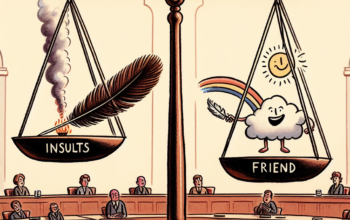
Navigating controversies in political campaigns has become an integral part of the electoral process. As candidates face scrutiny from media, political opponents, and the public, they often find themselves embroiled in scandals that can significantly impact their campaigns. Understanding how candidates respond to these situations is crucial in assessing their overall effectiveness and public appeal during the electoral cycle. This article navigates the complexities of scandal management in political campaigns, offering a comprehensive look at approaches used by candidates to overcome controversies and maintain their political viability.
Understanding Political Scandals: Impact on Campaigns
Political scandals can arise from various sources, including personal misconduct, financial irregularities, or even unfounded allegations that gain traction. In the landscape of modern politics, where information travels at lightning speed, candidates are often thrust into the spotlight due to allegations that may or may not be true. The ramifications of these scandals are significant, as they can overshadow a candidate’s platform and policy discussions, altering public opinion dramatically.
For instance, in the 2024 U.S. presidential election, several high-profile candidates faced scrutiny over their past actions, including allegations of corruption and personal misconduct. The responses varied widely; some candidates chose to address the accusations head-on, while others attempted to downplay or redirect attention to other issues. This illustrates that the manner in which candidates handle allegations can dictate the trajectory of their campaigns, influencing not just their public image but also voter behavior.
Crafting a Response Strategy: The Role of Communication
How candidates communicate in the face of scandal is paramount to their reputational management. A well-crafted response strategy can help mitigate the damage caused by negative press, while a poorly timed or vague response can exacerbate the situation. Effective communication often involves acknowledging the issue, showing empathy, and providing context to shift public perception.
In the age of social media, candidates must also consider the rapid dissemination of information and the potential for misinformation. Platforms like Twitter, Facebook, and Instagram can amplify both the scandal and the candidate’s response, making it essential for campaigns to be agile and responsive. In 2025, candidates have further embraced digital communication strategies, engaging with voters in real-time, which can either help repair their image or inflame controversies if not handled delicately.
Historical Context: Lessons from Past Campaigns
Analyzing how past candidates have responded to scandals provides valuable insights into effective crisis management during campaigns. Notable examples include Bill Clinton during the Monica Lewinsky scandal in the late 1990s. His initial denial followed by a public acknowledgment and subsequent appeal to the American people for understanding shows how vulnerability and honesty can resonate with voters. Despite the controversy, Clinton’s approval ratings remained robust, demonstrating that the narrative a candidate constructs around a scandal can significantly influence their political fate.
Another pertinent example is Elizabeth Warren’s handling of questions about her Native American heritage during the 2020 Democratic primaries. Warren initially engaged in a defensive strategy, but as the campaign progressed, she transitioned to framing her responses in the context of her policy goals and values. This shift not only helped to redirect the focus from the scandal itself but also enabled her to connect meaningfully with her supporters.
Modern Techniques for Navigating Controversies
In 2025, candidates have developed a more sophisticated toolkit for managing scandals, leveraging technology and behavioral insights to their advantage. One prevalent technique includes employing rapid response teams that monitor news cycles and public sentiment closely. These teams can deploy information across various channels to correct misinformation quickly or to bolster the candidate’s narrative in light of new allegations.
Moreover, transparency has become a valued commodity in modern campaigns. Candidates who openly address issues, rather than evade them, tend to cultivate a stronger rapport with voters. Recent psychological studies suggest that authenticity and relatability can mitigate negative perceptions, which has encouraged candidates to adopt a more forthright approach in their communications strategy. This transparency is particularly critical when engaging younger voters, who increasingly prioritize integrity and authenticity over traditional political rhetoric.
The Importance of Timing: Seizing the Narrative
Timing plays a crucial role in how candidates respond to scandals. Quick, decisive action can prevent a scandal from spiraling out of control and help reclaim the narrative. Candidates must carefully assess when to acknowledge allegations, clarify their stance, and articulate their visions to redirect public attention. During campaigns, seizing the narrative can mean converting negative press into a platform for discussion on more significant issues.
In 2025, with the increased volatility of news cycles, candidates have learned to use strategic pauses effectively. This means they may allow for some reaction time before crafting an official response. Such deliberate pacing can afford candidates a moment to gauge public reaction, assess the credibility of accusations, and strategize a more comprehensive response, rather than reacting impulsively and potentially exacerbating the issue.
Building Resilience: Strategies for Long-term Success
Building resilience in the face of scandals is essential for candidates looking to maintain their viability throughout the campaign. This often involves consistent message reinforcement, strong advocacy for personal values, and maintaining an active dialogue with constituents. Candidates who can articulate their core principles consistently are often better positioned to weather the storm of negative press.
Furthermore, engaging in community-driven initiatives can bolster a candidate’s reputation, proving their commitment to their constituents even amid controversies. This community engagement reinforces a candidate’s narrative of dedication and service, making it harder for attacks to damage their public perception. In 2025, candidates are increasingly utilizing grassroots campaigns to foster personal connections, countering potential backlash with direct voter engagement and interaction.
Conclusion
Navigating controversies and scandals is a challenging yet vital aspect of political campaigns. Candidates must be equipped with a robust communication strategy, be adept at leveraging modern technologies, and be timely in their responses to maintain public trust and electoral support. As the 2025 election cycle demonstrates, the ability to respond effectively to controversies can mean the difference between success and failure in the political arena.
The ultimate lesson from examining scandals is that vulnerability, honesty, and strategic engagement with constituents can lead to resilience and recovery. While scandals may temporarily derail a campaign, how candidates respond can define their political legacy and commitment to their principles and constituents.
Frequently Asked Questions
1. How do candidates typically respond to scandals during campaigns?
Candidates often respond by acknowledging the issue, clarifying facts, and redirecting the narrative to focus on their core message and values. Timing and communication strategy play critical roles in shaping their response.
2. What role does social media play in managing political scandals?
Social media acts as a double-edged sword for candidates. While it allows for rapid information dissemination and engagement with voters, it also amplifies scrutiny and can spread misinformation. Effective management requires real-time communication and monitoring.
3. Can transparency help candidates recover from scandals?
Yes, transparency can foster trust and relatability with voters. Candidates who are open about issues may find that authenticity resonates positively, softening the impact of controversies.
4. What strategies have proven effective in past elections?
Historical examples show that acknowledging mistakes, framing responses in terms of personal values, and engaging directly with constituents can help candidates overcome scandals and maintain support.
5. How important is timing in responding to scandals?
Timing is crucial; a prompt and thoughtful response can prevent a scandal from escalating, while a hasty reaction can worsen the situation. Candidates may benefit from strategic pauses to assess the impact of allegations before responding.