The Role of Humor in Sports Commentary
Introduction
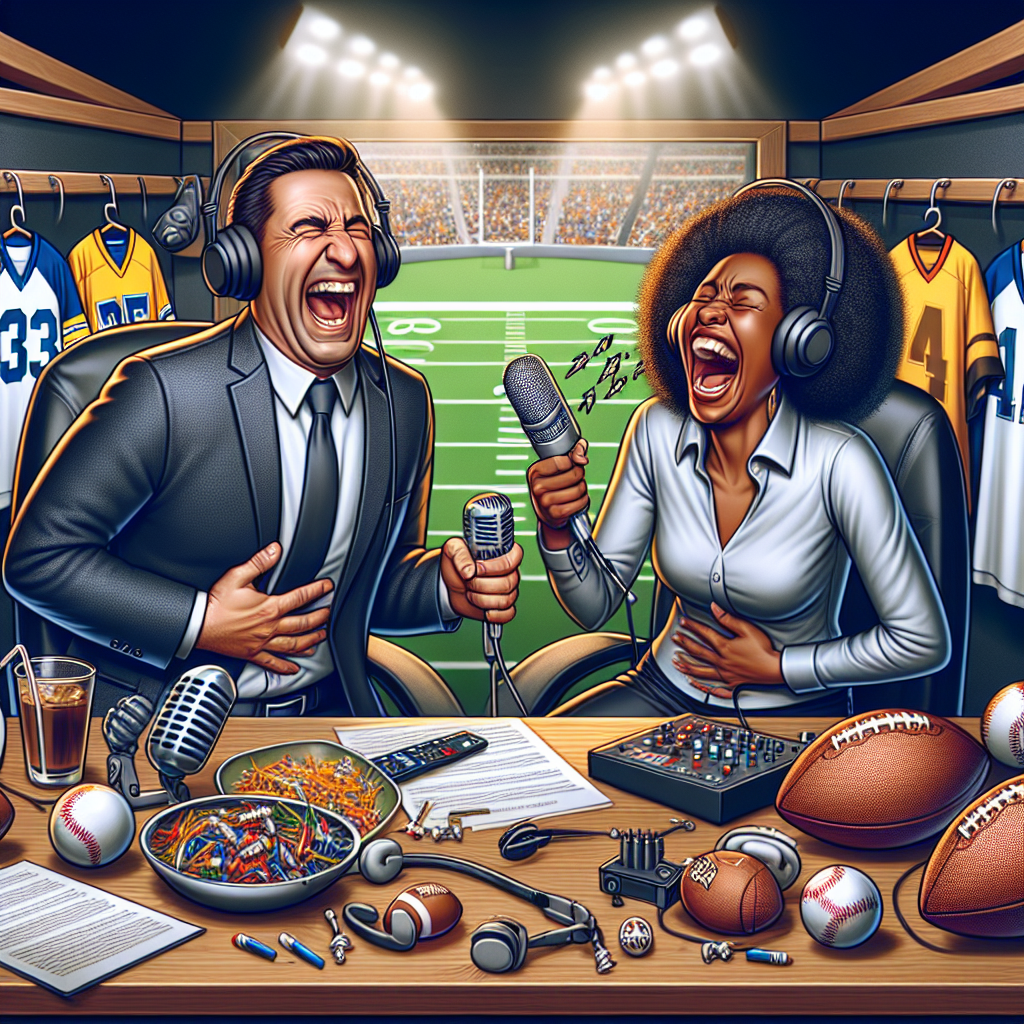
In the dynamic realm of sports commentary, the integration of humor plays a pivotal role in enhancing viewer engagement and enjoyment. As audiences increasingly demand more than just statistics and play-by-play descriptions, commentators have turned to humor to captivate fans in a lively manner. The role of humor in sports commentary extends beyond mere entertainment; it helps create a relatable atmosphere, fosters connections between the audience and the commentator, and enriches the overall viewing experience. In this article, we will explore the multifaceted role of humor in sports commentary, analyzing its impact on audiences, commentators, and the overall sports culture in 2025.
The Importance of Humor in Sports Commentary
Humor serves as a vital tool in sports commentary, primarily due to its capacity to make the game more entertaining. Audiences often tune in not just to witness athletic prowess, but also to enjoy the spectacle surrounding the competition. Commentators who successfully incorporate humor can elevate a game from a standard viewing experience to a memorable event. Humor creates an enjoyable ambiance, which is particularly important during long broadcasts or slow-paced games, holding the audience’s attention and making the experience enriching.
Moreover, the infusion of humor can serve as a buffer during tense moments, such as critical game situations or controversial calls. In the heat of the moment, a well-timed joke can lighten the mood, providing both relief to anxious fans and an opportunity for deeper, lighter discourse. This role of humor—balancing seriousness with levity—has become more pronounced in 2025, wherein sports broadcasts often combine traditional commentary with interactive elements such as live audience feedback, which increasingly favors humor.
The Evolution of Humor in Sports Commentary
The evolution of humor in sports commentary reflects broader cultural shifts and the changing dynamics of audience engagement. In the early days of sports broadcasting, commentary was largely straightforward, focused on providing a straightforward description of events as they unfolded. However, with technological advances and enhanced communication channels, commentators have become more aware of their audience’s desires. In recent years, particularly in 2025, there’s been a notable shift toward a more relaxed and humorous style that resonates with a younger demographic seeking not just information, but also entertainment.
This transition has been further fueled by social media, where witty remarks and humorous takes on sporting events can go viral almost instantly. Commentators today leverage platforms like Twitter, TikTok, and Instagram to expand their reach, often using humor to build their personal brands while engaging with fans. Such platforms encourage a feedback loop where commentators can gauge audience reactions and tailor their humor accordingly, making it an integral part of modern sports commentary that shapes viewer expectations and preferences.
The Psychological Impact of Humor on Audiences
The psychological impact of humor on sports audiences cannot be understated. Engaging with comedy while watching sports can foster a shared experience among fans, drawing them closer together through laughter and camaraderie. This sense of community is crucial in sports, where fans often feel a strong emotional connection to their teams. By integrating humor into commentary, broadcasters can enhance this collective experience, turning the viewing of a game into not just a passive activity, but an engaging social event.
Furthermore, humor can also significantly reduce viewer stress and anxiety levels during high-stakes moments. By introducing levity into a tense situation, comedians and commentators can help viewers maintain a sense of enjoyment, regardless of the game’s outcome. This is particularly important in 2025, when many sports events continue to attract audiences who are not merely fans but significant stakeholders in the emotional lives of teams. Therefore, the laughter elicited through humor can act as a moderation tool for spectators facing the natural highs and lows of competitive sports.
Additionally, the unique ability of humor to resonate across diverse demographics enhances its significance in sports commentary. By employing various comedic styles — from puns and one-liners to observational comedy or satire — commentators can connect with a broader audience. This inclusivity fosters a sense of belonging, allowing fans of all ages and backgrounds to join in on the fun, reinforcing loyalty to both the sport and the commentator.
Humorous Techniques Used by Sports Commentators
Sports commentators utilize numerous techniques to generate humor, all of which contribute to enhancing the viewer experience. One common method is through wordplay or puns, which can provide funny relief in the often serious atmosphere of competition. For instance, a commentator might make a pun about a player’s performance or a game situation, turning a potentially dry narrative into a surprisingly entertaining moment. The clever incorporation of language has become particularly popular in 2025, as commentators seek innovative ways to keep audiences engaged.
Another powerful comedic technique is the use of exaggerated traits or caricatures. Commentators achieve this by adopting personas or mimicking famous player attributes, creating humorous narratives around them. This method works well to build familiarity with teams and players, giving fans something to laugh about while also deepening their connection with the players. Such comedic portrayals serve not only as entertainment but also as a means to humanize athletes, showing audiences a side of them they might not otherwise see.
Moreover, observational humor has proven to be a scintillating way to address the quirks of sports and their surrounding culture. Commentators who masterfully observe the peculiarities of players’ behaviors, coach strategies, or even fan reactions offer a unique viewpoint that resonates with viewers. In 2025, where social media has amplified the sharing of both small moments and larger narratives, this approach is especially effective as it encourages discussion and interaction across platforms, drawing in a larger audience.
The Influence of Social Media on Humor in Sports Commentary
The rise of social media has completely transformed how humor is integrated into sports commentary, with platforms like TikTok, Twitter, and Instagram taking center stage in shaping comedic content. In 2025, commentators no longer rely solely on traditional broadcasting to reach fans. Instead, they create memes, short videos, and witty posts that can be shared widely. This cross-platform engagement amplifies the impact of humor, allowing for rapid dissemination and immediate feedback from viewers.
Additionally, the interactive nature of social media encourages commentators to adapt their humor based on audience responses. For instance, if a joke resonates well, it can become a recurring theme in future broadcasts, creating continuity and anticipation for fans. This kind of audience engagement is a significant shift from the past, where commentators had little insight into how their jokes were received. As a result, in 2025, we see commentators embracing the feedback loop to refine their comedic style, making it more relatable and appealing to their audience.
Furthermore, humor in social media-based commentary offers a platform for inclusivity, enabling diverse voices to be heard and appreciated. With the ability for any fan to share their funny takes or memes, the landscape of sports commentary has become a collaborative endeavor where multiple perspectives collide. This democratization of commentary not only enriches the humorous content available but also establishes a sense of community among fans, uniting them through shared laughter and personal stories related to the game.
Conclusion
The role of humor in sports commentary has evolved from occasional quips to a critical component of the overall viewing experience. It transforms broadcasts from mere information dissemination to engaging narratives that foster connections among fans and commentators alike. Through its ability to lighten tense moments, create community, and adapt to audience feedback, humor remains integral in shaping the future of sports commentary in 2025. As we embrace advancements in technology and the changing landscape of sports culture, the importance of humor continues to grow, ensuring it will remain a beloved element in our sporting experiences.
FAQs
Why is humor important in sports commentary?
Humor is important because it enhances viewer engagement, fosters connections among fans, and creates a more enjoyable atmosphere during broadcasts.
How has humor in sports commentary evolved over the years?
Humor has evolved from straightforward commentary to a more relaxed, witty style, influenced by social media and the changing expectations of audiences seeking entertainment alongside sports analysis.
What techniques do commentators use to inject humor into broadcasts?
Commentators often use wordplay, exaggerated traits or caricatures, and observational humor to entertain viewers and make the commentary more relatable.