Welfare Policy Changes: A Closer Look at Their Societal Impact
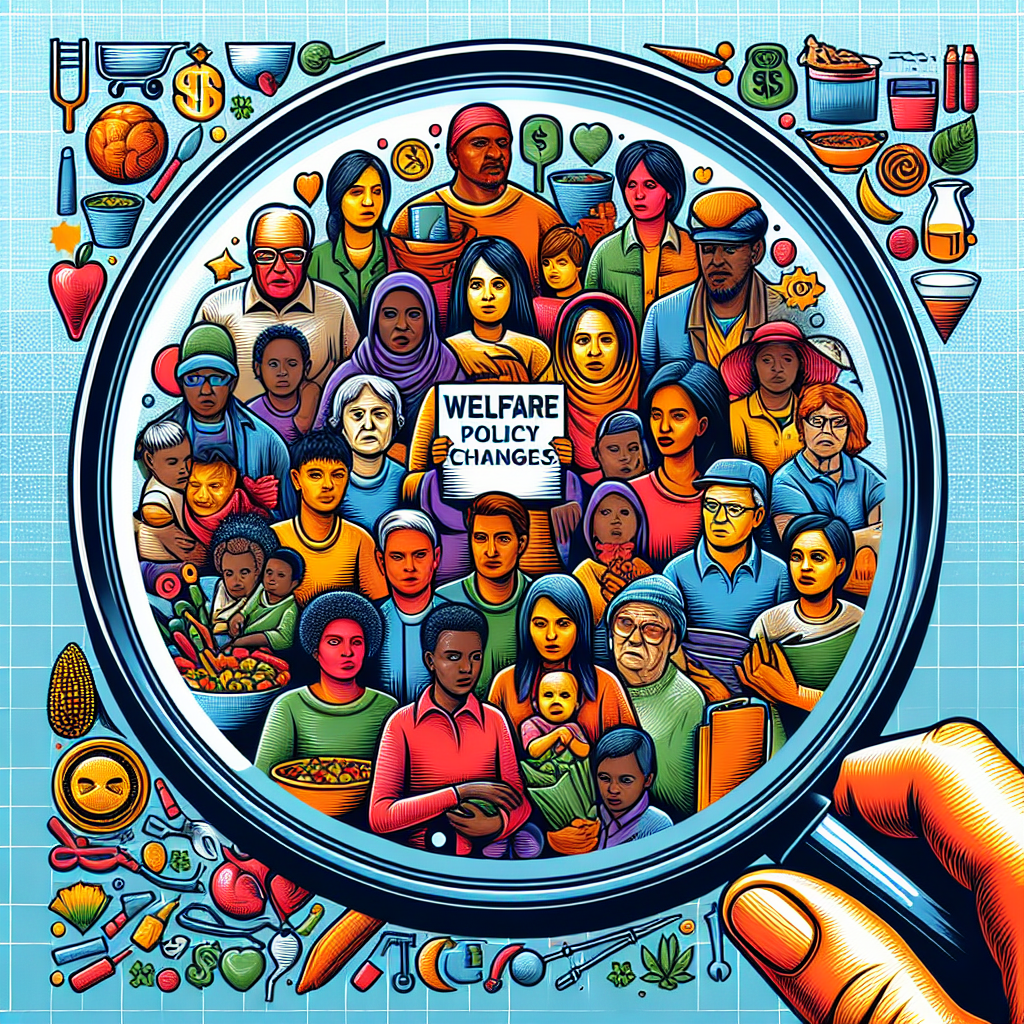
In recent years, welfare policy changes have significantly shaped the social landscape, influencing the lives of millions across various demographics. As we navigate through 2025, these changes have sparked critical conversations about social equity, economic stability, and community well-being. This article provides a comprehensive analysis of the most recent welfare reforms and their societal implications, highlighting key areas where these policies are making a difference in people’s lives today.
Understanding the Need for Welfare Policy Changes
The impetus for welfare policy changes stems from evolving socio-economic conditions, demographic shifts, and a growing recognition of the importance of social safety nets. Over the decades, welfare programs have grappled with emerging issues, such as rising income inequality, the consequences of the gig economy, and the impact of the COVID-19 pandemic. In 2025, many governments are reconsidering their approaches to welfare in light of these changes, aiming to create a more equitable and resilient system.
In addition to addressing immediate economic needs, welfare policy changes focus on long-term societal goals. By integrating flexible approaches that consider the diverse needs of citizens, policymakers aim to not only provide financial support but also promote self-sufficiency and improve overall quality of life. This multidimensional strategy acknowledges that a one-size-fits-all approach is insufficient and that tailored solutions can foster more meaningful social change.
The Social Effects of Changes to Welfare Policies
Welfare policy changes have far-reaching social effects, particularly in marginalized communities. As new programs are enacted in 2025, we see an increase in funding for mental health services, addiction recovery programs, and educational opportunities. These adjustments not only provide immediate assistance but also address the root causes of poverty and social disadvantage. Enhanced access to services can lead to improved mental well-being, stronger families, and ultimately, healthier communities.
Moreover, the modernization of welfare policies often emphasizes inclusion and diversity, ensuring that historically underserved populations receive adequate support. This focus on equity has resulted in targeted assistance for racial minorities, individuals with disabilities, and LGBTQ+ communities. Such changes have the potential to reduce systemic barriers, fostering a sense of belonging and empowerment for those who have long been marginalized.
The Economic Implications of Welfare Reforms
Welfare policy changes also play a pivotal role in shaping economic dynamics. Programs that support job training, skill development, and entrepreneurship initiatives provide individuals with the tools they need to succeed in a competitive job market. By investing in human capital, such policies can boost overall productivity, contributing to a more robust economy. An economy that supports its citizens in gaining relevant skills translates to lower unemployment rates and increased consumer spending, fueling growth and reducing reliance on welfare.
However, these reforms are not without controversy. Critics often argue that welfare spending can perpetuate a culture of dependency, disincentivizing work. In response, many 2025 welfare initiatives have introduced “work requirements” as part of their framework. These stipulations are designed to encourage recipients to participate in job training and employment opportunities. While intended to stimulate labor market engagement, the efficacy of these measures remains a topic of intense debate among economists and social advocates alike.
The relationship between welfare policies and economic conditions is further complicated by macroeconomic factors such as inflation and rapid technological change. In a society increasingly influenced by automation and digital transformation, welfare policies are tasked with adapting swiftly to a changing economic landscape. As 2025 progresses, it becomes crucial for policymakers to strike a balance between providing necessary support and incentivizing contributions to the economy.
The Role of Technology in Shaping Welfare Policies
Advancements in technology are also reshaping welfare policies and their implementation. In the context of 2025, digital platforms have emerged as vital tools in the delivery of welfare services. Online applications and resources enable quicker access to assistance, ensuring that those in need can receive support promptly. This shift towards digitization is particularly beneficial in rural areas where traditional modes of service delivery may have been lacking.
Moreover, technology fosters greater transparency and accountability in welfare programs. By utilizing data analytics, governments can monitor the effectiveness of their policies and make data-driven decisions for future reforms. This level of oversight can help identify inefficiencies, ensuring that limited resources are allocated effectively to maximize societal impact.
However, enhancing technological access raises important questions about equity and inclusion. The digital divide remains a significant barrier for many low-income individuals who may lack access to the internet or technological literacy. Addressing these disparities is essential to ensuring that welfare policy changes benefit all segments of society and do not inadvertently widen existing inequalities.
The Societal Perspectives on Welfare Policy Changes
The public’s perception of welfare policies is intrinsically linked to their effectiveness. In 2025, surveys reveal a complex landscape of opinions regarding welfare reforms. While many advocate for robust social safety nets, there exists a persistent stigma around welfare recipients, often fueled by misconceptions about their circumstances. This societal narrative can hinder collaboration and community support for welfare programs, potentially undermining their effectiveness.
Raising public awareness about the realities faced by individuals relying on welfare is an integral aspect of changing perceptions. Educational campaigns can help destigmatize the use of social assistance and highlight the success stories of individuals who have benefited from these reforms. By shifting the focus from welfare dependency to empowerment and achievement, these initiatives can foster a more constructive societal dialogue about the role of welfare systems.
Furthermore, as welfare policies evolve, they must also address the needs of the changing family structure. With increased divorce rates, single-parent households, and multi-generational living arrangements, the concept of family support is more complex than ever. Policymakers are challenged to create welfare provisions that can adapt to these dynamics, ensuring that all families can thrive regardless of their structure.
Looking Ahead: The Future of Welfare Policy Changes
As we move deeper into 2025 and beyond, it is essential to keep an eye on emerging trends and the lessons learned from recent welfare policy changes. One important trend is the growing emphasis on a holistic approach to social welfare. Future policies are likely to focus on the interconnectedness of various social determinants of health—income, education, and community engagement—as comprehensive welfare reform strategies are developed.
Additionally, globalization will continue to influence welfare policies. As economies become increasingly interconnected, the flow of goods, services, and even labor will require adaptable welfare programs that can respond to international developments. Policymakers must consider the global economic environment and local labor market needs when designing reforms that are both effective and sustainable in the long term.
Finally, the role of community-based organizations will be pivotal in shaping and implementing future welfare policies. Grassroots initiatives often possess valuable insight into the unique challenges faced by local populations. Collaborative efforts between community organizations and governments can lead to more effective resource allocation and a greater sense of ownership among beneficiaries.
Conclusion
In conclusion, welfare policy changes present a dynamic landscape of challenges and opportunities as we progress through 2025. By understanding the societal impact of these reforms, stakeholders can foster meaningful discussions aimed at building a more just and equitable society. As technology, economic conditions, and community perspectives evolve, so too must our approach to welfare, ensuring that support systems are resilient, inclusive, and prepared to meet the needs of all citizens.
FAQs
What are some recent welfare policy changes in 2025?
Recent welfare policy changes in 2025 include increased funding for mental health services, reformed job training programs, and the introduction of technology-driven resource access initiatives, aimed at better supporting marginalized communities and adapting to economic shifts.
How do welfare policies affect economic growth?
Welfare policies impact economic growth by providing financial assistance and access to education and job training, which can lead to increased workforce participation, reduced unemployment, and greater economic productivity through a more skilled labor force.
What challenges do policymakers face in implementing welfare reforms?
Policymakers face numerous challenges such as managing public perceptions and stigma surrounding welfare, addressing the digital divide in service delivery, and ensuring that reforms are adaptable to rapidly changing economic and social landscapes.