Introduction
As of 2025, public transportation systems worldwide are undergoing significant policy changes aimed at improving accessibility. These transformations are not only essential for individuals with disabilities but also enhance the commuting experience for all passengers. Policymakers are increasingly recognizing the importance of creating inclusive urban environments and are introducing innovations to ensure public transport systems accommodate a wider demographic. This article delves into the latest policy changes in public transportation that are focused on improving accessibility.
Understanding Accessibility in Public Transportation
Accessibility in public transportation refers to the design and operation of transport systems that ensure equal access for all individuals, including those with disabilities, the elderly, and other marginalized groups. These systems encompass a variety of elements, such as physical infrastructure, service availability, and user-friendly technology. In recent years, there has been a significant shift toward integrating universal design principles that prioritize not only compliance with legal requirements but also enhance user experience.
Policy changes in public transportation have played a pivotal role in this evolution. For instance, the implementation of the Americans with Disabilities Act (ADA) in the United States laid the groundwork for accessible transportation systems. It mandated that public transport vehicles and facilities be accessible to individuals with disabilities. This commitment has since inspired other nations to adopt similar policies, focusing on strategies that expand access across various modes of transport, from buses and trains to ferries and taxis.
Innovative Policies in Urban Planning and Public Transport
Policy changes are at the forefront of innovative urban planning initiatives aimed at creating more accessible public transport systems. One of the standout policies is the increased emphasis on multimodal transportation options, where cities are encouraging interconnectivity between different forms of transit, such as buses, light rail, and bike-sharing systems. By making transfers seamless and boosting the overall efficiency of the transit network, policymakers are ensuring that people with mobility challenges can navigate cities without unnecessary barriers.
Moreover, cities like Singapore and Amsterdam are leading the charge by integrating smart technology into their public transportation frameworks. These innovations include mobile applications that provide real-time updates on accessibility features, such as elevator availability at train stations or wheelchair-accessible routes. By leveraging technology, cities can enhance communication with passengers, allowing them to plan their journeys around any potential obstacles, thus fostering greater independence and confidence in using public transport.
Funding and Resources for Accessibility Enhancements
To support these policy changes in public transportation, substantial funding and resource allocation are essential. Governments at various levels are increasingly recognizing accessibility as a worthwhile investment and are allocating budgets accordingly. In the United States, for example, the Biden administration’s infrastructure plan made a historic commitment to improving accessibility, earmarking billions in funding specifically for public transit enhancements. The plan emphasizes the need for modernizing existing infrastructure to meet today’s accessibility standards, ensuring that outdated systems are upgraded to be more inclusive.
Additionally, public-private partnerships are emerging as a vital resource for financing these initiatives. Governments are collaborating with private firms to develop accessible transportation solutions, such as adaptive vehicles or systems that monitor real-time accessibility data. These partnerships not only distribute the financial burden but also foster innovation through shared expertise, leading to more creative and effective solutions to accessibility challenges.
Public Engagement in Shaping Transportation Policies
Involving the public, particularly individuals with disabilities, in the policymaking process is crucial for creating effective public transportation systems. Inclusivity in decision-making ensures that the real needs of users are reflected in policy changes. Cities are increasingly hosting forums, workshops, and surveys that engage community members in conversations about their transportation experiences and the accessibility challenges they face.
For instance, cities are employing participatory budgeting processes that allow citizens to advocate for specific accessibility improvements in their neighborhoods. This not only empowers communities but also builds trust between the public and transportation authorities. By actively seeking and incorporating feedback, policymakers can better tailor public transportation services to reflect the needs of diverse populations, ultimately leading to a more responsive and inclusive transit system.
Case Studies: Successful Accessibility Policies
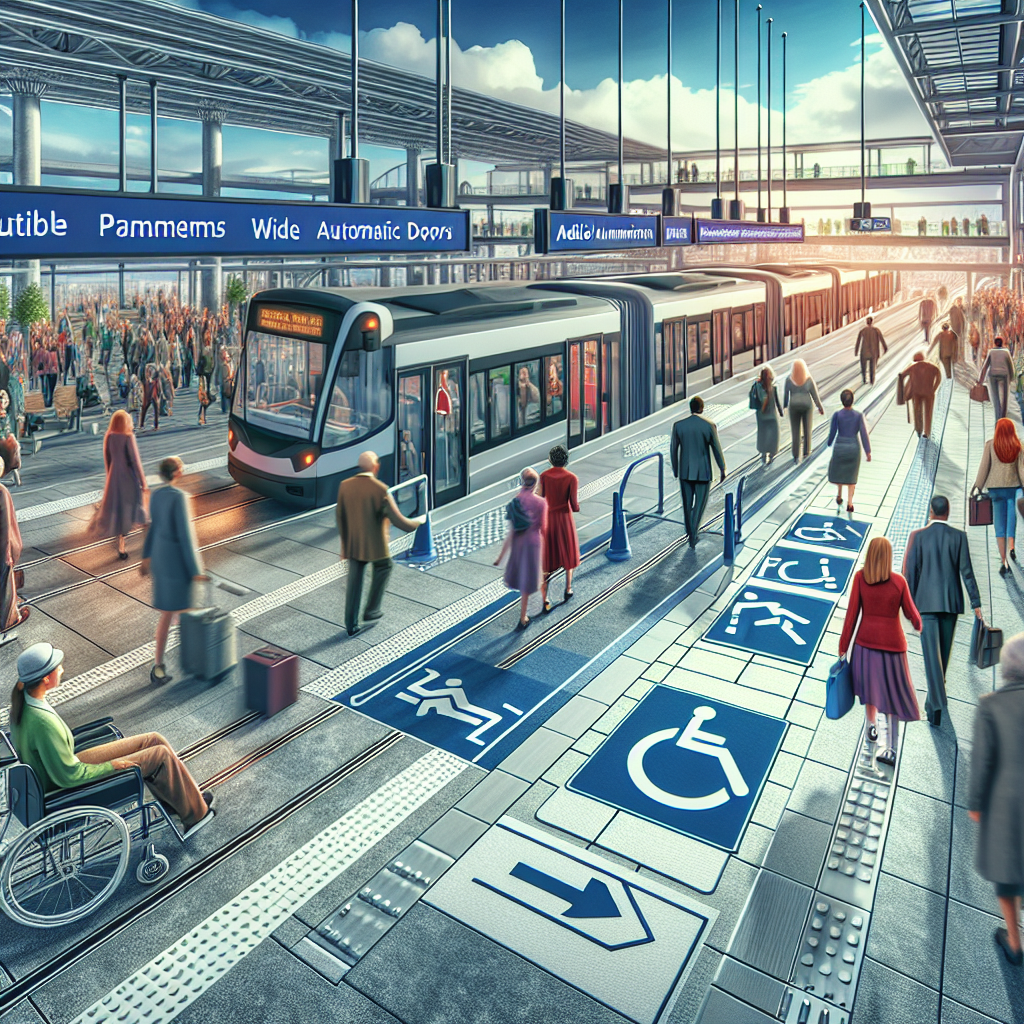
Several cities around the globe have successfully implemented accessibility policies that serve as models for others. For example, the city of Barcelona has taken remarkable steps in its public transportation network by introducing low-floor buses, ramps, and tactile paving at transit stations, enhancing access for all passengers. The initiative focused not only on compliance with accessibility regulations but also on enriching the overall user experience, ultimately increasing ridership among both disabled and non-disabled populations.
Another notable example is London, which has committed to making its Underground system 100% step-free by 2030. The policy involves significant infrastructural investments such as installing lifts and accessible facilities and has been shaped by extensive community input. The city has witnessed a remarkable increase in commuters with disabilities, demonstrating the positive impact of targeted accessibility initiatives.
Emerging cities in developing regions, such as Nairobi and Jakarta, are also implementing creative solutions to improve transportation accessibility. From introducing accessible matatus (public minivans) in Kenya to developing informative apps in Indonesia that notify users of accessible routes, these solutions showcase that effective public transportation policies can be tailored to meet the unique challenges of each urban environment.
Conclusion
As we navigate through 2025, the commitment to improving accessibility in public transportation is more critical than ever. Policymakers are investing in innovative strategies, collaborating with the community, and allocating necessary resources to ensure that public transport systems are inclusive for all. The examples set by cities like Barcelona and London serve as a testament to the positive changes that can be achieved through thoughtful, community-driven policy initiatives. Ultimately, a more accessible transportation system is not merely a legal obligation but a pathway toward greater social equity and integration for all individuals in our societies.
FAQs
What is the significance of accessibility in public transportation?
Accessibility in public transportation is vital because it ensures that all individuals, including those with disabilities, can utilize transit systems without obstacles. This inclusivity promotes equality, independence, and participation in society for everyone.
What recent policy changes have been made to improve transportation accessibility?
Recent policy changes include increased funding for accessible infrastructure, the development of smart technology solutions for real-time accessibility information, and community engagement initiatives to involve users in the decision-making process.
How does funding impact accessibility in public transportation?
Funding enables public transportation systems to invest in necessary infrastructure upgrades, acquire specialized vehicles, and implement technology that enhances accessibility, ensuring compliance with regulations and improving overall user experience.
Can you give an example of a city leading in transportation accessibility?
Barcelona is a leading example of a city that has implemented successful accessibility policies, including low-floor buses and tactile paving, significantly improving public transport access for disabled and elderly residents.
How can citizens engage in the policymaking process for public transportation?
Citizens can engage through public forums, workshops, community surveys, and participatory budgeting processes to voice their experiences and advocate for specific accessibility improvements needed in their local transit systems.
By focusing on these key areas, the article is structured to provide comprehensive insights into the importance of policy changes in public transportation for improving accessibility, making it search engine optimized for the target keyword.