The Rise and Fall of Political Leaders: Lessons from the Teapot Dome Scandal
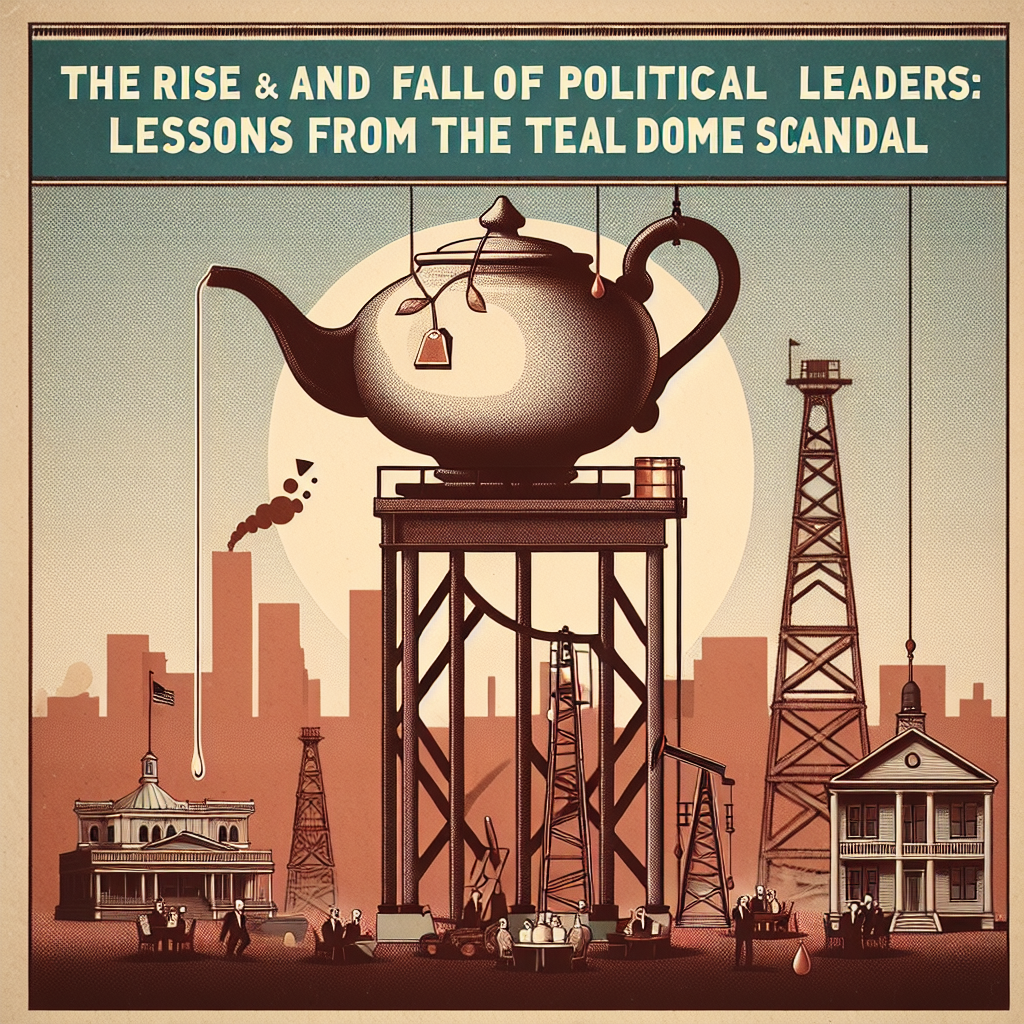
The Rise and Fall of Political Leaders: Lessons from the Teapot Dome Scandal
Introduction
Political leaders often experience dramatic arcs of success and failure shaped by their choices and the circumstances surrounding them. One of the most iconic examples of this phenomenon is the Teapot Dome scandal of the early 20th century, which exposed the intricate web of corruption intertwining politics and business. This scandal not only tarnished the reputation of President Warren G. Harding’s administration but also served as a cautionary tale for future leaders. In this article, we will delve into the rise and fall of political leaders through the lens of the Teapot Dome scandal, shedding light on the lessons this historical event offers for contemporary governance.
The Historical Context of the Teapot Dome Scandal
The Teapot Dome scandal emerged during a period in American history marked by rapid industrialization and political corruption. In the early 1920s, the United States was shifting from a wartime economy to a peacetime one, and the government was keen to promote economic growth and exploitation of natural resources. The scandal centered around the secret leasing of federal oil reserves located at Teapot Dome in Wyoming and Elk Hills in California, which had been set aside by President Taft in 1910. The controversy would erupt fully during Harding’s administration when Secretary of the Interior Albert B. Fall leased these oil reserves to private companies without competitive bidding.
Fall, who was intimately connected with the oil executives, accepted significant bribes to facilitate the leases. The events that unfolded revealed the deep-rooted connections between government officials and corporate interests, symbolizing a broader era of political malfeasance. The scandal not only compromised public trust in government but also set a precedent for legislative reforms aimed at increasing transparency and accountability in public office.
Key Players in the Teapot Dome Scandal
The Teapot Dome scandal involved a cast of key figures, including President Warren G. Harding, Secretary of the Interior Albert B. Fall, and oil tycoon Harry F. Sinclair. Harding, who had campaigned on a promise of returning to “normalcy,” did not initially grasp the extent of the corruption lurking within his administration. Fall was a trusted politician and a key Harding ally, making the betrayal all the more shocking. His dealings with Sinclair and the other oil magnates, who sought to profit from the oil reserves, exemplified a profound lapse in ethical judgment and integrity.
The scandal garnered national attention in 1924 when investigations revealed the corrupt practices associated with the lease agreements. Congressional hearings and public outcry brought the wrongdoing to light, ultimately leading to Fall’s indictment and conviction for bribery, making him the first Cabinet member to be imprisoned for crimes committed while in office. The intricate relations and shady dealings demonstrated how quickly trust could erode in the political realm, serving as a lesson for contemporary political leaders about the costs of corruption and the importance of ethical governance.
Lessons from the Fall of Political Leaders
The rise and fall of political leaders are often dictated by their ability to maintain public trust. The Teapot Dome scandal is a stark reminder of how quickly public opinion can shift when leaders prioritize personal gain over the public good. Fall’s actions illustrate the peril of prioritizing loyalty and personal relationships over transparency and accountability. In today’s political landscape, leaders must be equipped to recognize the potential for corruption in their administrations and take proactive measures to safeguard against it.
Moreover, the scandal reinforces the importance of checks and balances within government structures. The failure to prevent the scandal was due, in large part, to a lack of oversight and the complacency of those in power. Modern leaders can draw from this historical precedent by advocating for stricter regulations and transparency measures that ensure accountability at all levels of government. Building a robust framework that promotes ethical behavior and discourages corruption will help avoid the pitfalls observed during the Teapot Dome scandal.
Additionally, the Teapot Dome scandal highlights the dangers of crony capitalism and prioritizing relationships with well-connected individuals. The pressure to favor certain business interests can lead to conflicts of interest and exploited public resources. Leaders today must strive to balance economic interests with the needs of the constituents they serve. By fostering an environment where good governance is prioritized over personal or partisan agendas, political leaders can significantly reduce the risk of falling from grace.
The Impact on Subsequent Legislation and Governance
The fallout from the Teapot Dome scandal created ripples throughout American governance. In its aftermath, public demand for reform grew, spurring initiatives aimed at enhancing accountability. The scandal underscored the necessity for new regulations regarding the management of federal resources. Consequently, the U.S. Congress enacted the Mineral Leasing Act of 1920, establishing a framework for leasing public lands for resource extraction that included strict guidelines to prevent similar abuses in the future.
Furthermore, the scandal led to greater scrutiny of financial dealings involving government officials. The Public Utility Holding Company Act of 1935 aimed to regulate the monopolistic practices prevalent in utility companies and offered mechanisms for greater oversight of corporate governance. This legislative evolution has had a lasting impact on how government regulates industries, ensuring that ethical standards remain at the forefront of political processes.
The reverberations of the Teapot Dome scandal also prompted heightened media and public engagement in politics. Investigative journalism gained prominence as it became evident that the Fourth Estate plays a crucial role in exposing corruption and holding leaders accountable. Leaders must recognize that their actions are under constant scrutiny, emphasizing the necessity for ethical behavior and transparency. Understanding this dynamic can help leaders navigate their responsibilities more effectively, fostering a culture of honesty and openness.
Modern Implications of the Teapot Dome Scandal
As we navigate the complexities of the political landscape in 2025, the lessons derived from the Teapot Dome scandal remain relevant and impactful. Today’s political leaders must remain vigilant in combating corruption while successfully navigating complex financial landscapes. The increased integration of technology into government operations and the accessibility of information have transformed the ways in which leaders communicate with the public and how they are held accountable. Engaging in transparent practices and inviting public scrutiny can help mitigate the potential for corruption.
Moreover, globalization and the interconnectedness of economies present new challenges for ethical governance. Political leaders must be aware of their responsibilities regarding international relations and financial dealings. The scandals of the past serve as reminders of the importance of conducting government affairs with integrity and foresight. By understanding the implications of their actions on both domestic and international fronts, leaders can cultivate trust and foster a positive relationship with the electorate.
In light of recent political upsurges driven by grassroots movements, the lessons learned from Teapot Dome become even more crucial. The modern electorate is increasingly empowered and educated, demanding accountability from their leaders. Political figures who prioritize transparency and accountability will likely achieve sustained support from their constituents, while those who engage in corrupt practices risk igniting public outrage. As we reflect on the rise and fall of political leaders throughout history, it becomes evident that ethical governance remains essential to the fabric of society.
Conclusion
The Teapot Dome scandal offers profound lessons for political leaders in both past and present administrations. This historical event encapsulates the risks associated with political corruption, poor oversight, and the profound impact these can have on public trust. By understanding the intricate relationship between political leaders and the forces that govern their decisions, contemporary leaders can work towards fostering a more ethical, transparent political environment.
Ultimately, the lessons of Teapot Dome underscore the importance of maintaining accountability and balancing interests in governance. In a rapidly changing political landscape, leaders must prioritize ethical standards and the public good to ensure their rise remains sustainable and that they do not succumb to the forces of corruption that have marked so many political careers throughout history.
FAQs
What was the Teapot Dome scandal?
The Teapot Dome scandal was a bribery scandal involving the secret leasing of federal oil reserves by Secretary of the Interior Albert Fall under President Warren G. Harding’s administration during the early 1920s.
Who were the key figures in the Teapot Dome scandal?
The key figures in the Teapot Dome scandal included President Warren G. Harding, Secretary of the Interior Albert B. Fall, and oil tycoons Harry F. Sinclair and Edward L. Doheny.
What were the main lessons learned from the Teapot Dome scandal?
Key lessons from the Teapot Dome scandal include the importance of transparency and accountability in governance, the dangers of crony capitalism, and the necessity for robust oversight mechanisms to combat corruption.
How did the Teapot Dome scandal affect U.S. legislation?
The scandal led to greater scrutiny of government dealings and resulted in legislative reforms such as the Mineral Leasing Act of 1920, aimed at preventing similar corruption in the future.
What is the relevance of the Teapot Dome scandal today?
The scandal remains relevant as it highlights the ongoing need for ethical governance, transparency in political dealings, and the importance of public accountability in modern politics.