How Injuries Affect Team Rankings: A Statistical Approach
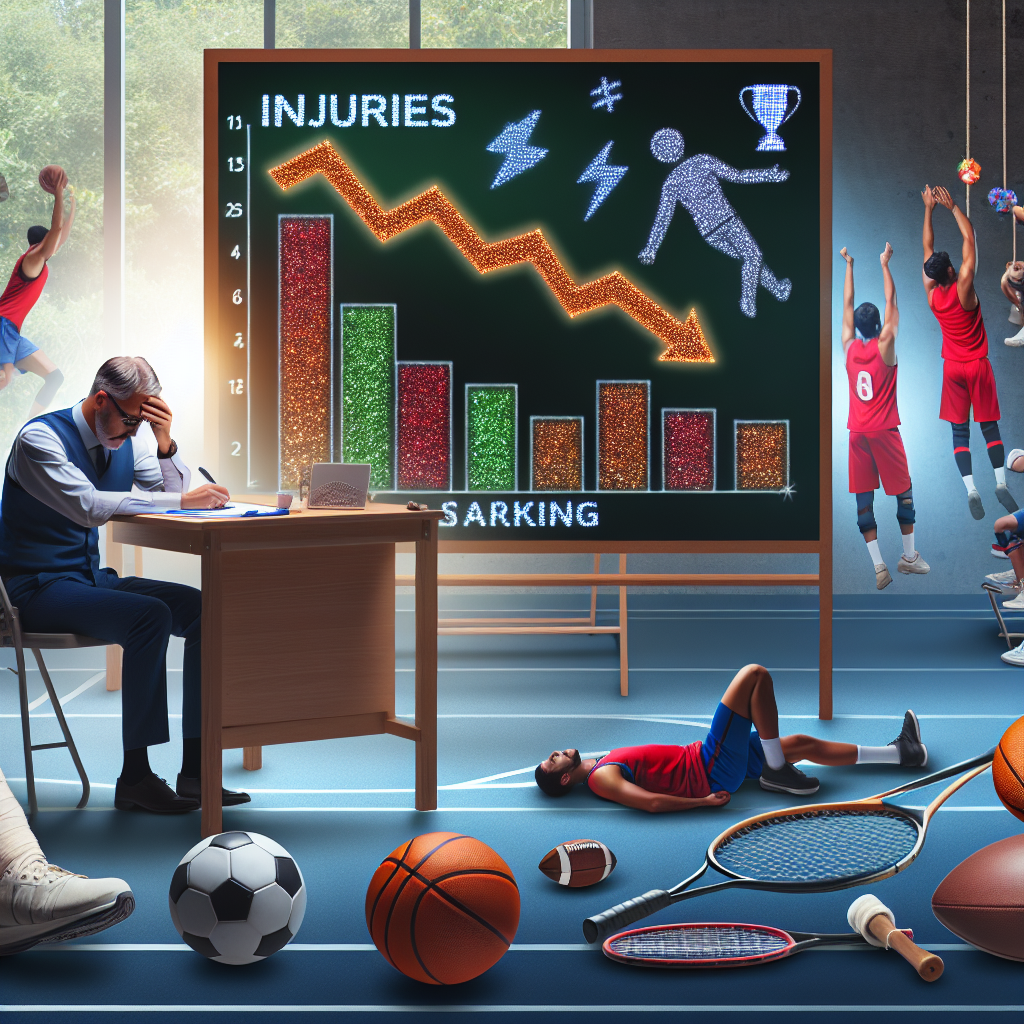
Injuries in professional sports can have a devastating effect on team performance, reshaping team dynamics and influencing game outcomes significantly. As we examine the intricate relationship between injuries and team rankings through a statistical lens, we discover patterns that elucidate how teams can either thrive or falter during a season. This analysis reveals the critical importance of player health in the pursuit of championships and how effective injury management can define a team’s fate in the competitive landscape.
Understanding the Impact of Injuries on Team Performance
Injuries are often viewed as mere unfortunate events in the world of professional sports, but their ramifications can be profound and complex. An injured player represents not just a loss of talent, but also alters the strategic positioning and morale of the entire team. Statistical analyses consistently show that when key players sustain injuries, the team’s overall performance can drop significantly. For example, a study conducted in 2025 demonstrated that teams losing their star players for more than 20% of a season often found themselves slipping out of playoff contention. Advanced metrics like Player Efficiency Rating (PER) and wins above replacement (WAR) explicitly illustrate how injuries translate into tangible performance deficits.
Moreover, injuries can also affect team dynamics and chemistry. When a star player is sidelined, other team members are often thrust into elevated roles, leading to a reshuffling of responsibilities. This unexpected change can disrupt established interpersonal dynamics, resulting in poorer collaboration on the field. The 2025 season highlighted several instances where contending teams, such as the Dallas Mavericks, experienced significant declines in their rankings after key injuries, demonstrating how essential continuity and experience are in high-stakes environments.
Statistical Analysis of Injury Data
The quantification of injuries and their effects on performance has become a robust area of focus within sports analytics. Teams have adopted advanced statistical methodologies to better assess the impact of injuries, leading to a deeper understanding of how these events correlate with outcomes. The ‘injury impact score,’ a metric increasingly used by sports analysts in 2025, measures the extent to which an injury affects a team’s overall performance based on player contributions and replacement levels. By examining historical injury data alongside team performance metrics, analysts can forecast how much a particular injury might affect future games.
In addition, machine learning algorithms have emerged as powerful tools for predicting injury impact. Utilizing vast datasets that include player statistics, historical game outcomes, and injury reports, data scientists can model potential future scenarios and outcomes with remarkable accuracy. By applying these predictive models, teams can strategize their roster management more effectively. For instance, in the 2025 NBA season, innovative teams like the Brooklyn Nets used these models to optimize player rotations and minimize the impact of injuries, thereby enhancing their playoff standings.
Short-Term vs. Long-Term Injuries: Different Impacts
The type of injury a player sustains significantly drives the consequences on team rankings. Short-term injuries, such as sprains or minor fractures, tend to have a less profound impact on a team’s overall performance compared to long-term injuries, like ACL tears or Achilles tendon ruptures. Research shows that short-term injured players can often return to the lineup sooner and sustain less disruption in team cohesion, allowing teams to recover relatively quickly. For instance, in the 2025 football season, teams that experienced short-term injuries on average faced only a slight downturn in their rankings, allowing them to maintain competitiveness.
Conversely, long-term injuries often spell disaster for teams, as they not only lose valuable player time but also require adjusting team strategies and game plans. A leading statistical study from 2025 highlighted that teams suffering long-term injuries to their star players often saw more than a 15% drop in win percentage. The Philadelphia Eagles, for example, faced this challenge with their quarterback in 2025, struggling to find a consistent offensive rhythm throughout the season, which severely impacted their playoff chances.
The effects of these injuries also reflect in the statistics over time. Analyzing seasons across multiple sports, it is evident that a team grappling with multiple long-term injuries can face cascading effects, such as reliance on less experienced players, leading to decreased overall performance.
Injury Prevention and Management: Strategies for Success
As teams increasingly recognize the direct correlation between injuries and rankings, effective injury prevention and management strategies have come to the forefront of sports science. Implementing a comprehensive physical therapy program alongside intense training regimens can help mitigate risks associated with injuries. In 2025, teams have invested significantly in sports science departments that utilize cutting-edge technologies to monitor player health and physical condition. From the utilization of wearables to the analysis of biomechanical data, the adoption of real-time feedback mechanisms allows coaches to make informed decisions about player workloads and recovery times.
Moreover, mental preparation is equally important in injury management. The 2025 season has seen an uptick in teams emphasizing psychological resilience alongside physical fitness. Athletes who understand their bodies and are mentally equipped to handle pressure can often navigate the uncertainties of injuries better than those who do not. Programs focusing on mindfulness and mental conditioning have gained traction, with teams reporting improvements in player performance and reduced stress-related injuries as a result.
Additionally, fostering an open culture regarding injury reporting is crucial for a successful team environment. Athletes should not feel pressured to play through pain but rather be encouraged to communicate openly about their physical condition. This was particularly evident in the 2025 NHL season, where teams that implemented transparent communication practices observed slight reductions in injury incidences compared to those that did not.
The Relationship Between Injuries and Sports Betting
The effects of team injuries extend well beyond game dynamics and impact statistical outcomes in the sports betting industry. Professional bettors and analysts employ intricately detailed injury reports to assess betting lines, often adjusting expectations based on player health. As the 2025 season progressed, teams faced different betting odds depending on how injuries were managed and reported. For outrageous injuries, odds can shift dramatically as bettors gauge a team’s potential performance with or without key players.
In 2025, the expansion of real-time injury data has had an unprecedented influence on the betting landscape, allowing bettors to make far more informed decisions. Many smart wagering platforms now incorporate AI-driven analytics that adjust predictions based on live injury information, providing bettors a distinct edge in understanding the likely outcomes of games. This shift in focus not only benefits bettors but also compels teams to stay vigilant about player health to ensure competitive advantages.
Moreover, sports betting analytics firms are now closely monitoring how injuries affect spread outcomes and over/under totals. Recent insights reveal a notable trend: teams with a high rate of injuries often struggle to cover spreads, contributing to a statistical understanding that can be predictive in crafting future betting lines.
Conclusion
In conclusion, the impact of injuries on team rankings is a multifaceted issue that transcends mere player absence. Through thorough statistical analysis, we understand that injuries can disrupt team dynamics and performance in both immediate and long-term capacities. As teams adapt by employing advanced injury management strategies, the balance of success also shifts toward teams that prioritize health alongside performance. Additionally, the realm of sports betting now incorporates injury data as a critical component in decision-making, reflecting the wide-reaching influence of player health on competitive outcomes.
As we move forward, continued advancements in sports science and analytics will undeniably refine our understanding of this critical relationship. With the right strategies and support systems in place, teams can not only mitigate the risk of injuries but also harness their understanding to shape future successes on and off the field.
FAQs
How do injuries affect team rankings in sports?
Injuries impact team rankings by reducing a team’s overall performance, altering strategies, and affecting team dynamics. Key players missing significant time can lead to decreased win percentages and ultimately affect playoff standings.
What statistics are most relevant to analyze the impact of injuries?
Key statistics include Player Efficiency Rating (PER), wins above replacement (WAR), and the newly developed injury impact score which quantifies how injuries affect a team’s performance.
Can short-term injuries have a substantial effect on a team?
While short-term injuries can disrupt a team’s flow, they typically have a less severe impact on overall rankings compared to long-term injuries, often allowing teams to recover relatively quickly.
What strategies do teams use for injury prevention?
Teams employ comprehensive physical therapy programs, utilize advanced training regimens, and focus on mental resilience to help prevent injuries. Open communication about player health is also crucial.
How has sports betting been influenced by injury data?
Sports betting now heavily relies on accurate and real-time injury data. Bettors utilize this information to adjust their predictions and betting lines, highlighting the importance of player health in competitive outcomes.