Introduction
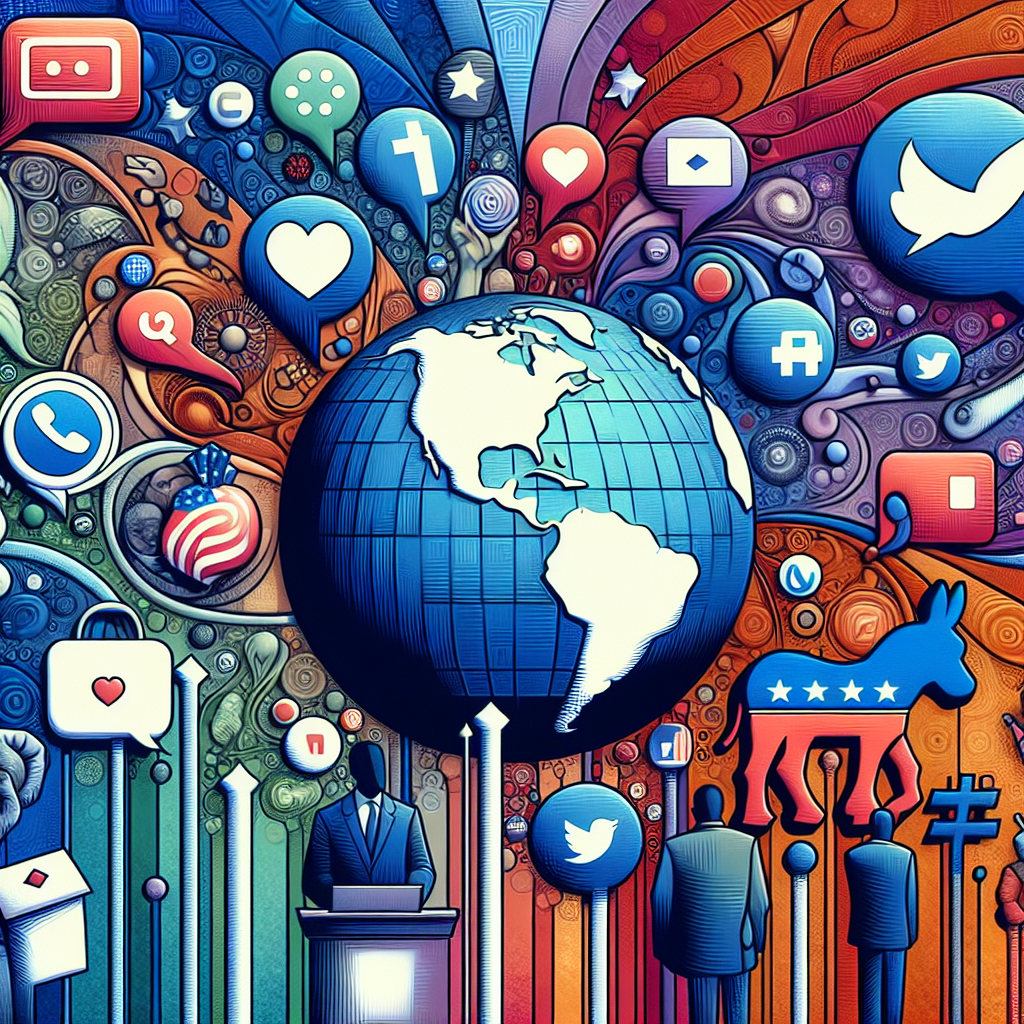
In recent years, political leaders have increasingly turned to social media as a vital tool in shaping their public persona and communicating with constituents. As we move further into 2025, the impact of platforms like Twitter, Facebook, Instagram, and TikTok on politics has become undeniable. This article delves into how political leaders are harnessing social media’s power to influence public opinion, engage with voters, and challenge traditional political processes. Understanding the dynamics of political leaders and their use of social media is crucial for deciphering modern political landscapes and the evolving nature of democracy.
The Evolution of Political Communication in the Digital Age
The landscape of political communication has undergone a dramatic transformation in the digital age, especially as we reach 2025. Politicians have moved away from traditional media outlets like newspapers and television, opting instead for direct engagement through social media. This shift allows them to bypass the ‘middleman’ and speak directly to their audience, nurturing a sense of immediacy and personal connection. In this environment, platforms like Twitter can be powerful tools for sharing quick updates, while Instagram and TikTok offer the opportunity to present a more humanized image through visuals and storytelling.
Moreover, the rise of algorithms on social media platforms plays a significant role in this evolution. These algorithms curate content, shaping what users see based on their interests and interactions. Political leaders have learned to leverage this power by creating targeted campaigns and content designed to appeal to specific demographics. By understanding the nuances of these platforms, they can disseminate their messages more effectively and engage with a wider audience than ever before.
Case Studies: Successful Social Media Campaigns by Political Leaders
A closer examination of successful social media campaigns reveals how political leaders have effectively harnessed these platforms to resonate with voters. One standout example is the 2024 electoral campaign led by a prominent figure in the U.S. whose strategy included a diverse mix of content on various platforms. Utilizing TikTok, the leader engaged younger voters by creating relatable, fun videos that highlighted key policy proposals. This not only boosted their visibility among younger demographics but also encouraged user-generated content that further spread their message organically.
Another noteworthy case is the use of live-streaming on Facebook by international leaders during crucial moments in their campaigns. For instance, during pivotal debates or announcements, live sessions allowed leaders to interact with constituents in real-time, answer questions, and clarify their positions. This level of engagement fostered a sense of transparency and accountability, enhancing their credibility and public support. Such strategies emphasize the importance of genuine interaction and responsiveness in political communication.
The Challenges and Pitfalls of Social Media in Politics
While social media offers vast opportunities, political leaders also face significant challenges when navigating these platforms. Misinformation is one of the primary concerns; false narratives can spread rapidly, undermining a leader’s credibility and confusing voters. For example, during the controversial events of elections, leaders have had to combat campaigns of disinformation that sought to mislead the public about their policies or personal lives. The need for rapid and effective rebuttals has become a crucial part of managing a political persona on social media.
Additionally, the polarization of social media serves as a double-edged sword. Political leaders can energize their base through targeted messaging but risk deepening divides with opposition groups. The echo chamber effect, where users only encounter information that reinforces their existing beliefs, can limit constructive dialogue and exacerbate societal tensions. As political leaders engage in this digital battleground, they must strike a balance between mobilizing their supporters and fostering a healthy democratic discourse.
The Role of Influencers in Political Narratives
In 2025, the integration of social media influencers into political strategies has become increasingly prevalent. These individuals, who have amassed significant followings, can sway public opinion and bring new audiences to political messages. Politicians increasingly collaborate with influencers to reach younger voters, which can lend an air of authenticity to their campaigns. This trend has transformed the influencer from mere entertainment figures into potential political allies.
However, the use of influencers also raises ethical considerations. The lines between genuine endorsement and paid promotion can blur, leading to questions about transparency in political campaigning. The Federal Election Commission (FEC) in the U.S. and similar bodies worldwide are grappling with how to regulate these collaborations to maintain fair practices. As political leaders continue to depend on influencers, they must navigate these regulatory waters carefully, ensuring they remain credible and trustworthy in the eyes of the electorate.
The Future of Social Media in Political Communication
Looking ahead, the future of social media in political communication is likely to be shaped by technological advancements and evolving societal expectations. As artificial intelligence (AI) becomes more sophisticated, we may see tools emerging that enable political leaders to analyze voter sentiment in real-time, allowing for even more targeted and effective messaging. Moreover, the growth of virtual reality (VR) and augmented reality (AR) could offer immersive ways for politicians to connect with voters, presenting policies and visions in an engaging format.
Nevertheless, political leaders will also need to be conscious of the ethical implications of these technologies. The potential for manipulation and the need for authenticity will remain central to successful political engagement. As social media algorithms change and new platforms emerge, staying ahead of trends while maintaining integrity will be key for any political leader looking to utilize social media effectively.
Conclusion
As we navigate through 2025, the relationship between political leaders and social media continues to evolve. Social platforms have irrevocably changed how politicians communicate, engage with their constituents, and shape public discourse. While there are remarkable opportunities for connection and influence, challenges like misinformation, polarization, and ethical dilemmas persist. Political leaders must leverage these tools wisely, prioritizing transparency and authenticity while navigating the complexities of the digital age. As our political landscape continues to shift, the use of social media will undoubtedly play a critical role in defining political engagement for years to come.
FAQs
How do political leaders use social media to influence public opinion?
Political leaders use social media to share their messages directly, engage with constituents, and respond to issues in real-time. They create targeted content tailored to various demographics, allowing them to influence public perception and mobilize support.
What are the risks of political leaders using social media?
Risks include the spread of misinformation, potential backlash from polarized audiences, and ethical concerns regarding transparency and influencer collaborations. These factors can undermine a leader’s credibility and complicate public discourse.
How has social media changed the political landscape?
Social media has enabled direct communication between leaders and voters, fostering new forms of engagement and activism. This shift has empowered individuals to participate in political discussions and movements, diversifying the political engagement landscape.
What role do influencers play in political campaigns?
Influencers can amplify political messages, especially among younger voters, by lending their credibility and engaging their audiences. However, partnerships with influencers must be managed transparently to avoid ethical pitfalls.
What can we expect from political communication in the future?
Future political communication may be shaped by advancements in AI, virtual reality, and changing social media dynamics. Leaders will need to adapt to these changes while maintaining authenticity and engaging with their constituents meaningfully.