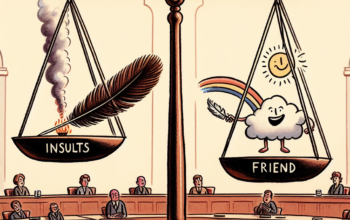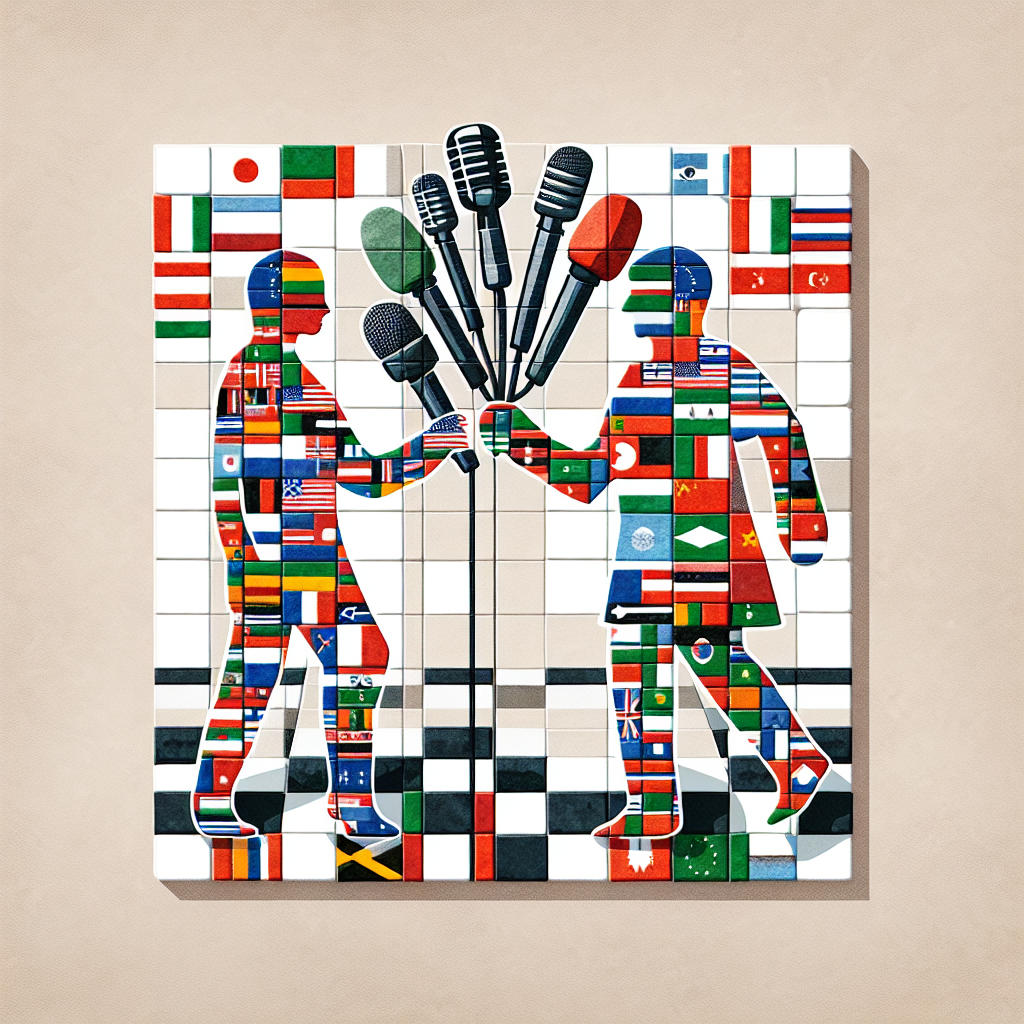
The interplay between political leaders and the media in 2025 is more dynamic and complex than ever before. In an era characterized by rapid technological advancements, the proliferation of social media, and a public increasingly skeptical of traditional outlets, the relationship between politicians and journalists has taken on new dimensions. This article delves deeply into the multifaceted relationship between political leaders and the media, exploring how it shapes public perception, influences policy, and impacts democratic processes across the globe.
Understanding the Media Landscape in 2025
The media landscape in 2025 has undergone significant transformation due to the rise of digital platforms and the decline of traditional print media. Social media platforms like Twitter, Facebook, and TikTok now serve as primary channels for news dissemination, enabling political leaders to communicate directly with their constituents. This shift has fundamentally changed how information is consumed, with audiences increasingly prioritizing quick, digestible content over in-depth analysis. The immediacy and accessibility of information on these platforms have also contributed to a culture of instant reaction, where political leaders are often compelled to respond quickly to emerging news stories.
Moreover, the prevalence of misinformation and disinformation has soared, creating challenges for both media and political leaders. In 2025, fact-checking organizations and independent news sources play a critical role in combating false narratives, yet their efforts are often undermined by the rapidity with which misinformation spreads online. As a result, political leaders must navigate a treacherous environment where their words can be taken out of context and manipulated for political gain. This new dynamic requires a heightened level of media literacy among the public, as well as a commitment from politicians to uphold the integrity of the information they share.
The Role of Journalists in Political Accountability
In 2025, journalists continue to serve as watchdogs of democracy, holding political leaders accountable for their actions and decisions. Investigative journalism remains a vital tool for uncovering corruption, abuse of power, and policy failures. The public has come to rely on quality journalism as a means of understanding complex political issues, making the relationship between the media and political leaders integral to the health of democratic societies. Effective journalism not only informs the electorate but also fosters transparency, encouraging politicians to act in the best interest of their constituents.
However, the landscape of journalism is fraught with challenges. In a climate of polarization, mainstream media outlets often face accusations of bias, and many in the public perceive them as tools of particular political agendas. This perception complicates the trust relationship essential for a vibrant democracy. As a response, many journalists have begun to adopt new strategies, including enhanced storytelling techniques and the use of multimedia content to engage audiences while maintaining factual integrity. These efforts are designed to restore public confidence in the media, as the stakes of political accountability remain high in an ever-evolving political environment.
Political Communication Strategies in the Digital Age
In 2025, political leaders increasingly embrace digital communication as a means of shaping their public image and influencing voter opinion. The integration of data analytics and targeted messaging allows politicians to craft tailored communications that resonate with specific demographics. Leaders can utilize social media algorithms to maximize their reach and engagement, generating meaningful interactions with constituents and supporters. This ability to analyze and predict voter behavior fosters a more strategic approach to political communication, enabling leaders to adjust their messaging in real-time based on public reaction.
Nevertheless, this heightened focus on digital communication can also lead to an overemphasis on optics and sensationalism over substantive policy discussions. Political leaders often find themselves caught in a cycle of performance, prioritizing short-term gains over long-term goals. The challenge lies in balancing the need for engaging communication with the responsibility to inform the public about critical issues. Moreover, as social media continues to evolve, political leaders must remain vigilant against the potential pitfalls of echo chambers, which can reinforce divisive narratives and isolate communities from differing perspectives.
The emergence of “influencer politics” has further complicated the dynamic relationship between political leaders and the media. As traditional media figures lose influence, politicians increasingly look towards social media influencers to amplify their messages and reach younger audiences. This shift presents both opportunities and risks; while influencers can bring critical issues to light and encourage political participation, their lack of accountability and fact-checking can exacerbate the spread of misinformation and polarize debate even further.
The Impact of Crisis Situations on Media Relations
Crisis situations, such as public health emergencies and natural disasters, profoundly affect the relationship between political leaders and the media. In 2025, the global pandemic’s legacy remains a powerful influence on political communication strategies. Leaders must now navigate a landscape where public trust in government is continually shaped by their safety responses and crisis management. The media plays a vital role in disseminating information during such crises, serving as a primary source of updates and guidance for the public.
In times of crisis, the demand for timely, accurate information escalates, placing immense pressure on both political leaders and media outlets. The potential for conflicting messages can create confusion and distrust, making it paramount for leaders to collaborate closely with journalists to ensure consistent and credible communications. However, as seen during the COVID-19 crisis, mismanagement of information can lead to severe repercussions. Politicians who manipulate public narratives or evade responsibility can find themselves facing fierce scrutiny from the media, which continues to serve its foundational role of holding power to account.
Moreover, crises often spotlight systemic issues that may need to be addressed long after the immediate situation has passed. In the wake of disasters, the media can help to drive discussions about policies and reforms, prompting political leaders to reflect on their priorities and the needs of the electorate. Reporting that emphasizes accountability can lead to substantive policy changes, indicating that the dynamic between political leaders and the media remains critical in shaping the future of governance.
The Future of Political-Media Relationships in an Evolving Landscape
As we progress through 2025, the relationship between political leaders and the media is likely to continue evolving, shaped by emerging technologies and shifting societal attitudes. The rise of AI-generated content raises significant ethical questions regarding authenticity and truth in political discourse. As political leaders begin to harness AI in their campaigns and communications, there is a pressing need for robust ethical guidelines to govern the use of these tools.
Moreover, a renewed emphasis on local and independent journalism will be essential in counteracting the narrative dominance of major media conglomerates. Public engagement and financial support for local journalism can foster a diverse media ecosystem that holds political leaders accountable while reflecting a broader spectrum of viewpoints. As citizens increasingly demand transparency and representation, political leaders must adapt their communication strategies to align with these expectations.
Finally, enhancing media literacy among the public will be crucial in cultivating a well-informed electorate. Efforts to educate citizens about the workings of media, the importance of fact-checking, and the nuances of political communication can empower individuals to navigate a complex information landscape. As the dynamic relationship between political leaders and the media unfolds, fostering informed discourse remains essential for the integrity of democratic processes in 2025 and beyond.
Conclusion
The dynamic relationship between political leaders and the media in 2025 has become an intricate web of influence, accountability, and communication. As they adapt to technological advancements, the ongoing transformation of the media landscape, and societal expectations, both political leaders and journalists must recognize their roles in shaping public discourse. By embracing transparency, accountability, and accurate communication, they can nurture a healthier democracy in an age marked by rapid change.
FAQs
What is the primary role of the media in politics?
The primary role of the media in politics is to inform the public about governmental actions, hold political leaders accountable, and serve as a watchdog for democracy. Journalists provide analyses of policies, investigate potential abuses of power, and facilitate informed discussions among citizens regarding critical issues.
How have social media changed the relationship between political leaders and the media?
Social media has transformed political communication by allowing leaders to bypass traditional media channels and communicate directly with constituents. It has enabled faster dissemination of information, greater audience engagement, and the rise of influencer politics while also contributing to issues of misinformation and polarization.
What challenges do political leaders face in engaging with the media?
Political leaders face numerous challenges in engaging with the media, including public skepticism, the rapid spread of misinformation, and demands for transparency and accountability. The fast-paced nature of digital media also requires leaders to respond quickly to emerging narratives, often complicating the interplay between meaningful communication and sensationalism.