Introduction
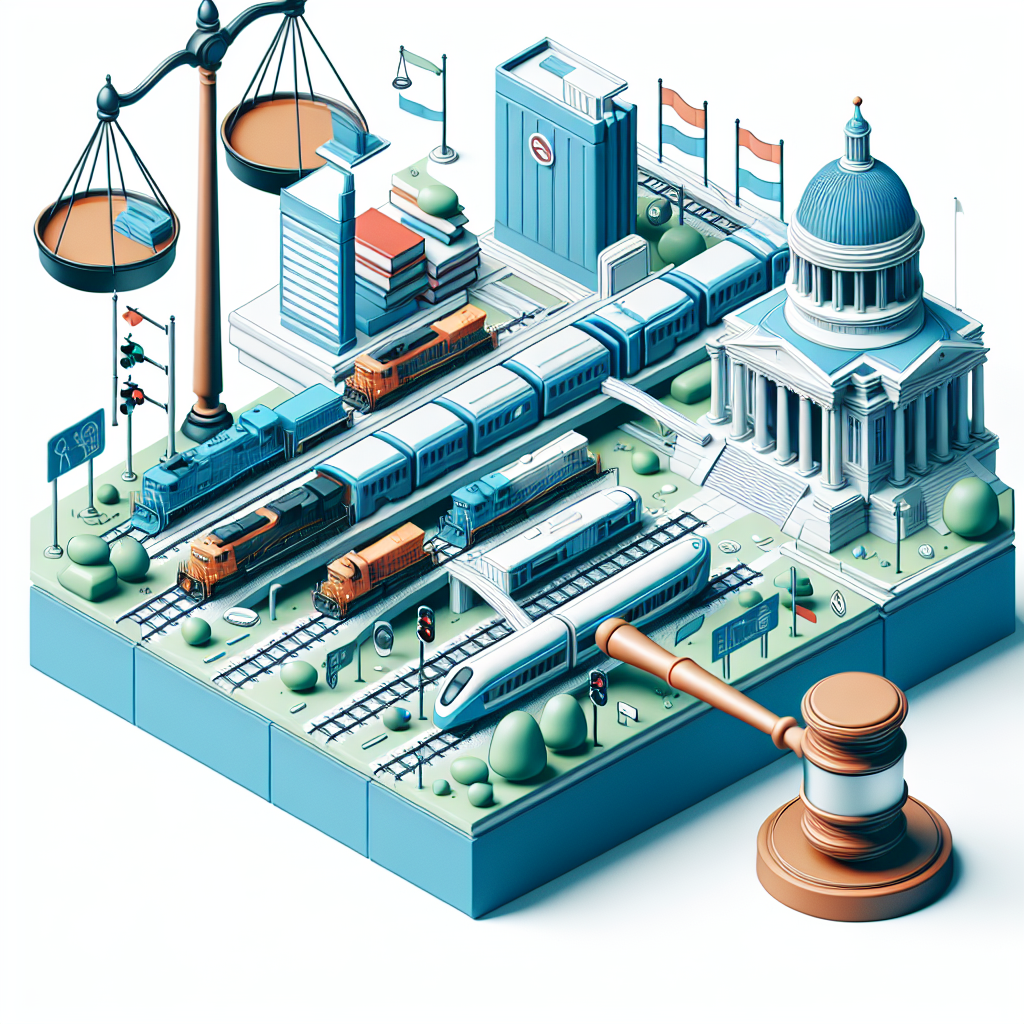
Transportation infrastructure funding is crucial for the development and maintenance of the nation’s highways, bridges, and public transit systems. As we progress into 2025, significant legislative updates have reshaped the landscape of transportation funding, emphasizing sustainability, accessibility, and innovative financing models. This article delves into the latest key legislative updates regarding transportation infrastructure funding, exploring their implications and how they aim to enhance the efficiency and safety of transportation systems across the United States.
Understanding the Current Landscape of Transportation Infrastructure Funding
In recent years, the need for improved transportation infrastructure has become increasingly urgent, driven by population growth, urbanization, and the aging of existing structures. To address these challenges, the United States has seen a surge in federal and state-level initiatives aimed at securing adequate funding for transportation projects. In 2021, the Infrastructure Investment and Jobs Act (IIJA) was enacted, which allocated approximately $1.2 trillion for infrastructure, with a significant portion earmarked for transportation. This set the stage for ongoing legislative efforts in 2025 and beyond, as lawmakers recognize that investment in transportation infrastructure is essential for economic growth and public safety.
With the advancement of technology and growing concerns about climate change, modern transportation funding strategies have begun to evolve. Legislation introduced in 2023 and reinforced in 2025 emphasizes green transportation initiatives, such as electric vehicle charging infrastructure and public transit enhancements that prioritize low emissions. These developments reflect a broader commitment to not only repairing and upgrading traditional infrastructure but also creating resilient systems that stand the test of time and reduce environmental impact.
Key Legislative Updates in 2025: A Closer Look
As of 2025, several legislative measures have made headlines regarding transportation infrastructure funding. One prominent update is the reauthorization of the federal gas tax, which had been in place since the 1990s. In response to inflation and increased construction costs, Congress has approved a phased increase in the gas tax, projected to generate an additional $40 billion over the next five years. These funds will be dedicated to highway maintenance and repair, ensuring that critical transportation networks remain safe and effective for commuters and commercial activities.
Another important development is the introduction of grant programs targeting local governments and states to promote innovative transportation solutions. The “Smart Mobility Grant Program” focuses on funding projects that integrate technology with traditional infrastructure. This program encourages developments such as smart traffic management systems and data-driven transportation planning, aiming to enhance overall efficiency and reduce congestion on major roadways. By supporting initiatives that leverage technology, legislators seek to modernize infrastructure while optimizing resource allocation.
The Role of Public-Private Partnerships in Transportation Funding
Public-private partnerships (PPPs) have emerged as a pivotal aspect of infrastructure funding strategies, gaining traction in recent years. As budget constraints persist at both the federal and state levels, PPPs offer a viable alternative by allowing private entities to invest in public infrastructure projects in exchange for future revenue streams. In 2025, legislation has reinforced the importance of these partnerships by streamlining regulatory processes and providing incentives for private investors, thereby attracting more capital for transportation initiatives.
One of the standout projects facilitated by PPPs is the expansion of urban transit systems. Cities like Los Angeles and New York have leveraged private funding to enhance their subway systems, allowing rapid deployment of capital while also reducing public financial burdens. Such initiatives not only improve commuter experiences but also promote economic development in urban areas. By fostering collaboration between the public and private sectors, lawmakers aim to ensure comprehensive transportation solutions that meet community needs effectively.
Furthermore, the legislative framework supporting PPPs encourages innovation in financing models, such as outcome-based funding. Under this model, private partners are compensated based on performance metrics, such as reducing traffic congestion or improving transit times. This strategic approach aligns incentives between public authorities and private investors, ensuring accountability and a focus on delivering tangible results. As these frameworks become more prevalent, they are expected to reshape the transportation funding landscape significantly.
The Impact of Climate Change Legislation on Transportation Funding
As concerns regarding climate change intensify, transportation infrastructure funding has increasingly intersected with environmental policy. Legislative updates in 2025 reflect a commitment to sustainable transportation solutions, emphasizing the importance of reducing carbon emissions and promoting renewable energy sources. The “Green Transportation Initiative,” passed as part of broader climate change legislation, allocates funding specifically for the development of electric vehicle (EV) charging stations and the promotion of public transit systems that prioritize clean energy sources.
This initiative is particularly crucial as the federal government pushes for a transition to electric vehicles by providing grants for local governments to build out charging infrastructure. By 2025, thousands of charging stations are expected to be implemented nationwide, increasing accessibility for EV owners and contributing to the reduction of greenhouse gas emissions from the transportation sector. This legislative focus not only supports the growing demand for green transportation options but also demonstrates a commitment to sustainable economic practices that can create jobs and stimulate local economies.
Additionally, climate change legislation has incentivized public transit improvements, with funding targeted at projects designed to enhance public transit safety and reliability. Investments in modernized transit fleets, infrastructure upgrades, and new technology deployments are designed to make public transportation more appealing compared to car travel. By enhancing the viability of public transport options, lawmakers aim to decrease vehicle miles traveled and alleviate traffic congestion, addressing both environmental and economic challenges.
Future Trends in Transportation Infrastructure Funding
As we look toward the future, several emerging trends in transportation infrastructure funding are poised to shape the landscape in the coming years. One significant trend is the increasing incorporation of digital technologies into transportation planning and funding processes. Smart transportation solutions, data analysis, and real-time monitoring systems are being embraced as part of strategic planning. As cities continue to experience rapid growth and changes in population dynamics, leveraging data will enable authorities to optimize investments and improve service delivery.
Moreover, the rise of equity-focused funding strategies is gaining momentum, with an emphasis on ensuring that underserved communities have access to safe and reliable transportation options. Recent legislative measures encourage inclusive planning, requiring that funding distributions consider the needs of low-income neighborhoods and communities of color. By fostering equitable access to transportation infrastructure, lawmakers aim to mitigate disparities and promote social equity throughout urban and rural areas.
Lastly, the exploration of alternative funding mechanisms such as value capture will likely gain traction. This method involves capturing the additional tax revenues generated from increased property values due to nearby transportation projects. As cities seek innovative ways to fund their infrastructure needs without significantly burdening taxpayers, value capture presents a promising avenue for generating sustainable revenue streams while promoting economic development.
Conclusion
In conclusion, transportation infrastructure funding is a dynamic and evolving field that is being reshaped by recent legislative updates in 2025. Key initiatives such as the reauthorization of the federal gas tax, the promotion of public-private partnerships, and the push for climate-conscious investments are all contributing to a more integrated and sustainable transportation network. As we look to the future, embracing technological advancements, fostering equitable access, and exploring innovative funding mechanisms will be essential to meet the diverse and growing needs of our communities. The strategic efforts undertaken today will determine the efficiency, safety, and environmental impact of our transportation systems for years to come.
FAQs Section
What is transportation infrastructure funding?
Transportation infrastructure funding refers to the financial resources allocated to develop, maintain, and improve transportation systems, which include roads, bridges, public transit, and other related facilities.
What are the key sources of funding for transportation projects?
Key sources of funding include federal and state taxes (such as fuel taxes), grants, public-private partnerships, and innovative financing mechanisms like value capture.
How has legislation changed transportation infrastructure funding in recent years?
Recent legislation has emphasized sustainable funding, public-private partnerships, and the integration of technology in transportation systems, resulting in more innovative and equitable solutions for funding infrastructure projects.