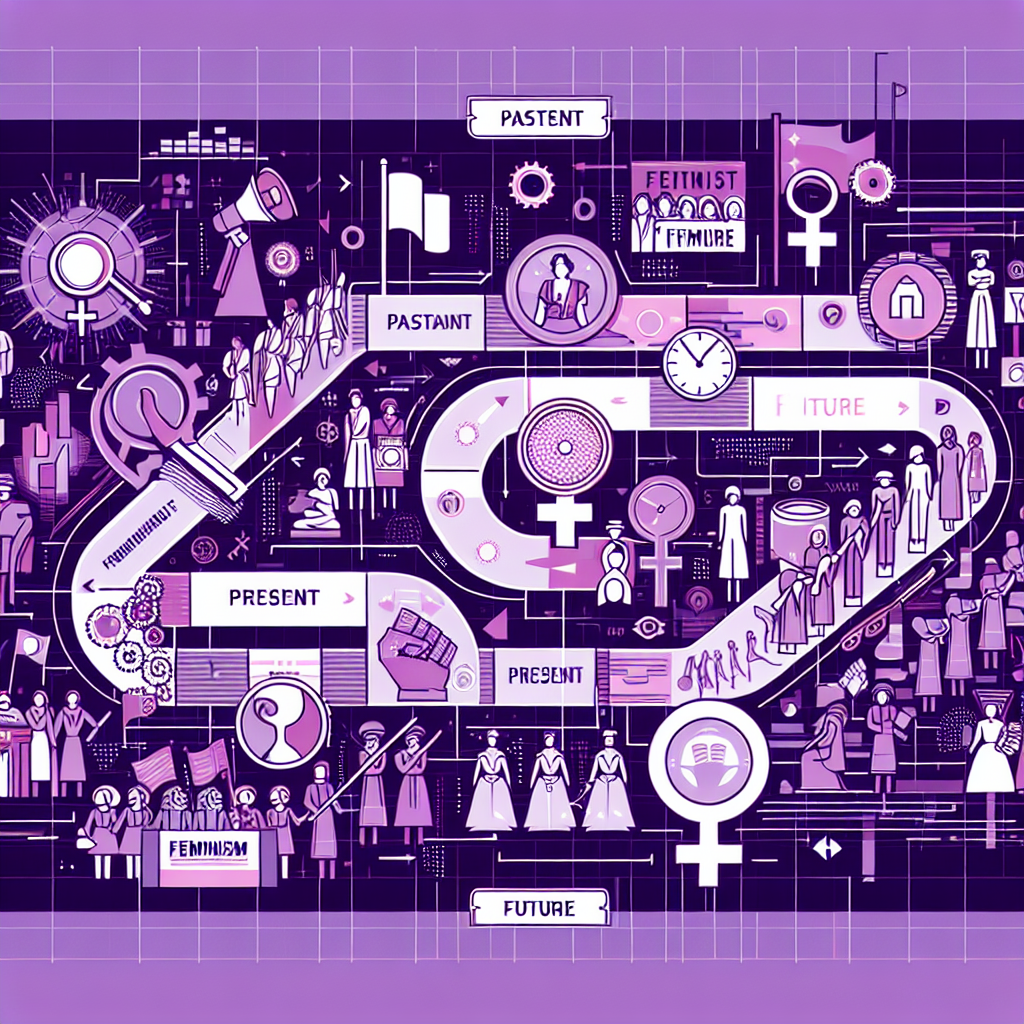
Feminism as a Political Ideology: Past and Present
Feminism as a political ideology has undergone significant transformations from its early roots in the 19th century to its contemporary manifestations in 2025. Understanding the nuances of feminism requires a deep dive into its historical background, key movements, current challenges, and future directions. This article will explore the evolution of feminist thought, its impact on society, and the ongoing struggle for gender equality, aiming to shed light on feminism’s role as a powerful political ideology that continues to shape our world today.
Historical Context of Feminism as a Political Ideology
The origins of feminism can be traced back to the late 18th and early 19th centuries, where early advocates such as Mary Wollstonecraft began articulating the idea of women’s rights. Wollstonecraft’s seminal work, A Vindication of the Rights of Woman (1792), laid the groundwork for feminist thought by arguing for women’s education and their place in society beyond traditional roles. This early wave of feminism primarily focused on legal issues and inequalities, demanding suffrage, property rights, and educational access. The push for these rights was a response to the entrenched patriarchal structures that defined women’s roles and limited their participation in public life.
As the 19th century progressed into the 20th century, feminism evolved into several distinct waves, each addressing specific social and political issues. The first wave, primarily centered in the United States and Europe, culminated in women securing the right to vote in many countries. The second wave, which began in the 1960s, shifted focus to more systemic issues, including reproductive rights and workplace equality. This wave galvanized a broader social movement, fueled by civil rights activism and cultural shifts that challenged traditional gender roles. Pioneers like Betty Friedan and Gloria Steinem played crucial roles in bringing feminism into mainstream discourse, arguing that the personal is political and advocating for women’s liberation across various spheres of life.
Key Feminist Movements Today
In 2025, feminism as a political ideology continues to manifest in diverse movements that address varying global contexts. Intersectionality, a term coined by Kimberlé Crenshaw, has become a cornerstone concept in contemporary feminist discourse. Intersectional feminism recognizes that women experience oppression in varying degrees and forms, influenced by race, class, sexuality, and other identity markers. This understanding has significantly reshaped how feminists approach issues like violence against women, economic inequality, and reproductive rights, fostering a more inclusive movement that reflects the voices of marginalized groups.
Moreover, the #MeToo movement has illuminated the pervasive nature of sexual harassment and assault, demonstrating that feminism is not just about achieving legal rights but also about changing societal attitudes and behaviors. As part of this movement, individuals across the globe have come together to hold perpetrators accountable and advocate for cultural shifts that empower women to speak out against injustice. In 2025, we see a marked increase in solidarity among women and allies through digital platforms, allowing for a more rapid dissemination of feminist activism and solidarity across borders, challenging not just individual instances of abuse but systemic misogyny entrenched in institutions.
Challenges Facing Contemporary Feminism
Despite significant advancements, contemporary feminism faces numerous challenges in its quest for gender equality. One major issue is the backlash against feminist ideals, often manifesting as anti-feminist movements that seek to undermine progress made in women’s rights. This backlash is particularly evident in discussions surrounding reproductive rights, where legislation in various regions attempts to roll back access to essential health services for women. As of 2025, debates over abortion rights have intensified, highlighting the ongoing struggle between pro-choice and pro-life advocates and the need for feminists to remain vigilant and organized in protecting reproductive freedoms.
Another pressing challenge is the commodification of feminism. In today’s consumer-driven society, elements of feminist ideology are often marketed and repackaged, leading to concerns about “feminism washing,” where brands exploit feminist themes without genuinely advocating for women’s rights. This superficial engagement can dilute the movement’s objectives and divert attention from more pressing systemic issues that require deep-rooted social change. Consequently, it is vital for feminists to critically analyze and challenge such commodification to preserve the integrity and purpose of the ideology.
Lastly, the implications of globalization present complex challenges for feminism. While global interconnectedness has facilitated cross-border collaborations among feminist activists, it also brings forth issues related to exploitation, such as human trafficking and domestic labor rights. Feminists must navigate the intricacies of global capitalism, advocating for policies that not only uplift women in wealthy nations but also address the harsh realities faced by women in developing countries. The intersection of global issues such as climate change, economic disparity, and gender-based violence necessitates a comprehensive and cooperative approach to feminist activism.
The Future of Feminism as a Political Ideology
As we look to the future, the evolution of feminism as a political ideology will undoubtedly be shaped by technological advancements, cultural shifts, and ongoing activism. The rise of social media has empowered a new generation of feminists to mobilize and advocate for change at unprecedented speeds. With platforms like TikTok, Instagram, and Twitter, critical conversations surrounding gender issues, body positivity, and reproductive justice have taken center stage, allowing feminists to amplify diverse voices and experiences. This digital landscape enables real-time collaboration and innovation, ensuring that the feminist agenda remains relevant in an ever-changing world.
Moreover, the future of feminism will increasingly focus on sustainability and environmental justice. The interconnectedness of environmental issues with gender equality is becoming more apparent, as women disproportionately bear the brunt of ecological disasters and resource scarcity. Feminists are recognizing that gender equality cannot be achieved without addressing climate change and advocating for sustainable practices that prioritize the rights and well-being of all individuals. The feminist movement may increasingly align itself with broader ecological movements, connecting the dots between social justice and environmental stewardship.
Lastly, the role of education in shaping feminist thought and activism will remain paramount. In 2025, educational institutions are beginning to integrate feminist perspectives into their curricula, providing students with critical frameworks to analyze gender and power dynamics. This educational shift aims not only to empower future generations of feminists but also to foster an understanding of diverse perspectives on gender and equality. By equipping young people with the tools to challenge discrimination and advocate for justice, the feminist movement can ensure its vitality and resilience in the years to come.
Conclusion
Feminism as a political ideology has a rich history and continues to evolve as it addresses the multifaceted challenges women face in society today. From its foundational roots advocating for fundamental rights to its contemporary expressions emphasizing intersectionality and environmental sustainability, feminism remains a powerful force for change. While significant progress has been made, ongoing challenges necessitate vigilance and solidarity among feminists globally. Looking ahead, the future of feminism will likely bring both challenges and opportunities, but its core tenets of equality, justice, and empowerment will persist as guiding principles in the ongoing struggle for gender equity.
FAQs
What is feminism as a political ideology?
Feminism as a political ideology seeks to address and rectify inequalities faced by women through various movements and frameworks advocating for political, social, and economic rights.
What are the different waves of feminism?
The feminist movement is typically divided into three main waves: the first wave focusing on legal issues and suffrage, the second wave addressing systemic inequalities and reproductive rights, and the third wave, which includes diverse influences and intersectionality.
How has technology influenced modern feminism?
Technology, especially social media, has allowed feminists to mobilize quickly and widely, facilitating discussions on gender issues and enabling activists to connect across the globe.
What challenges does contemporary feminism face?
Contemporary feminism faces numerous challenges, including backlash against women’s rights, the commodification of feminist themes, and the complexities of globalization affecting gender equity initiatives.
What does the future of feminism look like?
The future of feminism will likely focus on sustainability, inclusivity, and technological advances, continuing to advocate for gender equity while addressing intersecting issues such as environmentalism and social justice.
In conclusion, feminism as a political ideology is not just a historical phenomenon but a vital part of the current and future global landscape.