Women at the Forefront of Political Activism: A Historical Overview
Throughout history, women have played significant roles as political activists, advocating for social change and influencing political landscapes across the globe. As we move into 2025, it is crucial to recognize the persistent efforts and milestones achieved by women in political activism. From the suffragettes of the early 20th century to contemporary leaders today, women have continually shaped policy discussions, fought for rights, and inspired future generations. This article delves into the historical progression of women’s political activism, highlighting key figures, movements, and their lasting impact.
The Early Seed of Women’s Political Activism
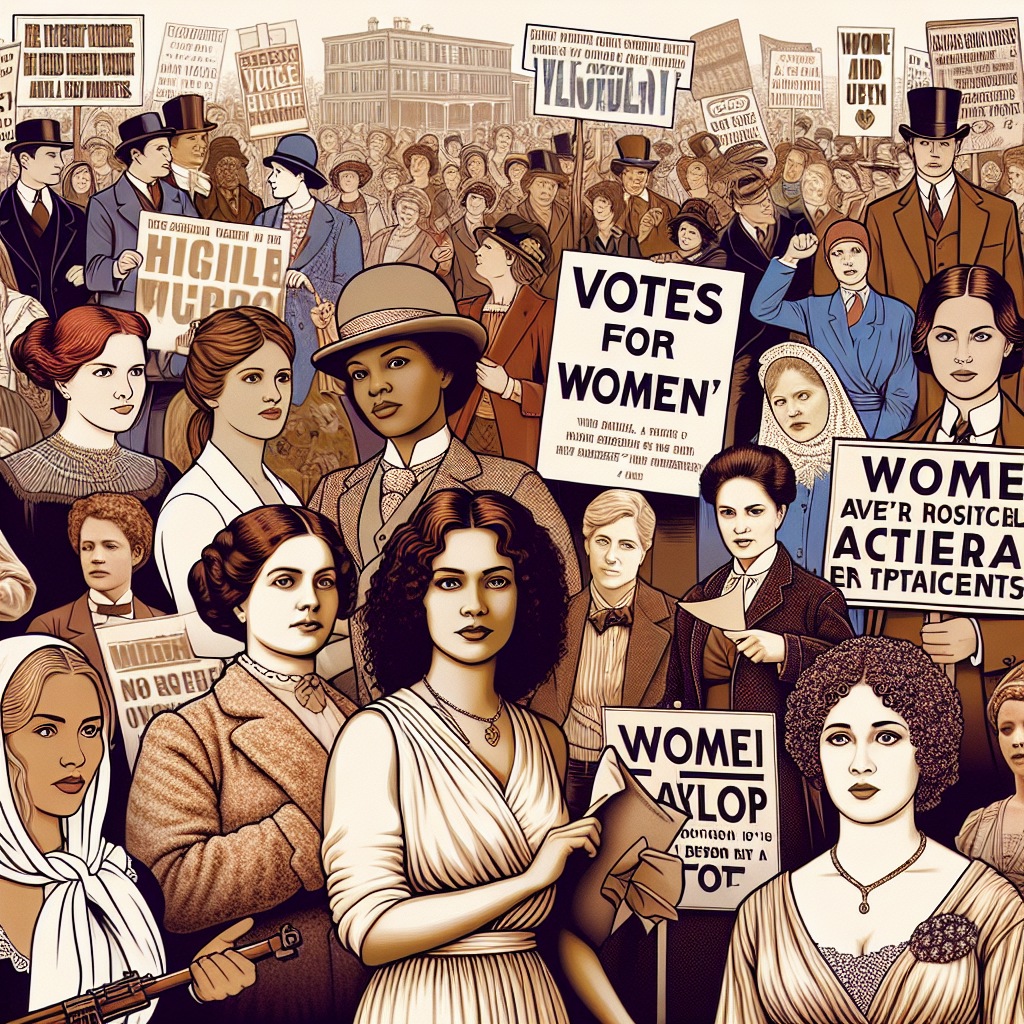
The roots of women’s political activism can be traced back to the late 19th and early 20th centuries, when women began to demand equal rights, most notably suffrage. This period saw the rise of significant figures such as Susan B. Anthony and Elizabeth Cady Stanton in the United States, who pioneered the women’s suffrage movement. These activists faced enormous societal barriers, yet they galvanized support through organized campaigns, petitions, and public demonstrations. By presenting compelling arguments for women’s rights in an age dominated by patriarchal norms, they laid the groundwork for millions of women to enter the political arena.
In the United Kingdom, the suffragette movement gained momentum under the leadership of Emmeline Pankhurst and her daughters. The women’s social and political union (WSPU) employed more militant tactics, including hunger strikes and civil disobedience, to draw attention to their cause. The culmination of these efforts culminated in the Representation of the People Act 1918, which granted voting rights to women over the age of 30 in Britain. By introducing women into the electoral process, these activists altered the political landscape, setting the stage for future generations and advocating for broader social reforms.
Women’s Political Activism in the Mid-20th Century
The mid-20th century witnessed a new wave of women’s activism, particularly around issues of civil rights and anti-colonial movements. In the United States, figures like Rosa Parks and Angela Davis emerged as powerful voices against racial injustice and inequality. Parks’ refusal to give up her seat on a segregated bus on December 1, 1955, ignited the Montgomery Bus Boycott, a pivotal moment in the Civil Rights Movement. Her courage not only changed perceptions about race but also encouraged other women to take active roles in political movements.
Globally, women played essential roles in decolonization efforts across Africa, Asia, and Latin America. Leaders like Indira Gandhi in India and Benazir Bhutto in Pakistan symbolized the growing influence of women in governance. The advocacy for equal representation and social justice extended beyond national borders, as organizations such as the UN Women formed to support female political participation and empowerment. This era demonstrated the interconnectedness of varying movements and the critical contributions that women made in shaping international human rights standards.
The Feminist Movement and Political Reforms
The Feminist Movement of the late 20th century marked a significant turning point in women’s political activism. The movement addressed structural inequalities, reproductive rights, workplace discrimination, and gender-based violence. Key figures like Gloria Steinem and bell hooks championed feminism’s second wave, which sought to dismantle the systemic barriers faced by women. Their advocacy not only reshaped societal attitudes but also connected the feminist cause with broader human rights issues, emphasizing that gender equality is integral to social justice.
In the 1980s and 1990s, women’s movements began integrating with other global struggles, recognizing that poverty, race, and sexuality intersect with gender. Activists like Wangari Maathai in Kenya exemplified this approach through the Green Belt Movement, addressing environmental issues while promoting women’s rights. This period also saw the emergence of global conferences, such as the 1995 Beijing Conference on Women, which galvanized international commitments to gender equality. The discussions initiated at such conferences laid the foundation for policy development and increased representation of women in political spaces worldwide.
Furthermore, spurred by technological advancements, new platforms emerged, allowing women’s voices to be heard more broadly. Social media became a tool for activism, providing a way to mobilize communities, share experiences, and educate others about women’s rights issues. Campaigns like #MeToo began as grassroots movements, highlighting the prevalence of sexual harassment and assault, and transformed into global dialogues about women’s safety and agency. This dynamic showed how technology and activism could intertwine, amplifying the calls for justice and systemic change.
Women Political Leaders in the 21st Century
As of 2025, women are more involved in politics than ever before, with numerous nations led by female heads of state. Leaders such as Jacinda Ardern of New Zealand and Ursula von der Leyen, President of the European Commission, exemplify the increasing acceptance of women in political leadership roles. Their policies often reflect progressive values, including climate change initiatives, social justice reforms, and advancements in public health—issues that resonate with diverse populations and encourage equitable governance.
Moreover, the rise of youth activism has given women a platform to influence contemporary political debates. Figures like Greta Thunberg have inspired a new generation of female activists who advocate for climate justice and sustainable practices globally. This movement emphasizes the vital role that women play in addressing existential threats, underscoring that political activism today is increasingly intersected with global challenges, requiring innovative and inclusive solutions.
In addition to political leaders, grassroots movements continue to thrive, with women organizing around issues such as reproductive rights, healthcare access, and economic equality. The impact of organizations like Planned Parenthood and the Women’s March demonstrates how collective action remains a potent force in advocating for political change. These organizations are not just fighting for more political representation but are also changing perceptions about women’s roles in society, challenging stereotypes and advocating for systemic reforms that benefit all.
The Future of Women in Political Activism
Looking forward, the landscape of political activism among women will likely expand further due to ongoing efforts for gender equality around the globe. Educational initiatives that promote women’s leadership potential are crucial in cultivating future activists and policymakers. By encouraging young women to participate in public life and pursue careers in politics, society can build a sustainable pipeline of female leaders who are equipped to address complex issues.
Additionally, the intersectionality of feminism will play a critical role in shaping future movements, as activists increasingly recognize the need for inclusivity. This approach ensures that the voices of women from diverse backgrounds are heard, aligning with various social justice movements. By integrating experiences and challenges faced by women of color, LGBTQ+ activists, and those from different socioeconomic backgrounds, the fight for equality can be more holistic and effective.
Lastly, technology will continue to be a game-changer in how women engage in political activism. With the rise of digital platforms, women can leverage social media to organize, mobilize, and advocate on a global scale. As new technologies emerge, the potential for increased collaboration, awareness, and influence will empower women to drive significant political changes and ensure their voices are at the forefront of activism in the 21st century.
Conclusion
In conclusion, the historical overview of women at the forefront of political activism showcases their invaluable contributions to social, political, and environmental causes. From the suffragettes to contemporary leaders, women have consistently broken barriers and advanced the discourse on equality and justice. As we look ahead to 2025 and beyond, it is vital to recognize that the legacy of women in political activism continues to flourish, driven by a commitment to inclusivity and reform. With ongoing support and collective action, women’s voices will only grow louder, shaping political landscapes around the world.
FAQs
What role did women play in the suffrage movement?
Women played a crucial role in the suffrage movement by organizing campaigns, protests, and lobbying efforts to secure voting rights. Leaders like Susan B. Anthony and Emmeline Pankhurst mobilized communities and raised awareness about the importance of women’s participation in the electoral process.
How has technology affected women’s political activism?
Technology, particularly social media, has revolutionized women’s political activism by providing platforms for awareness, mobilization, and connection. Activists can now reach a global audience, share experiences, and foster collaboration around key issues.
What is intersectional feminism?
Intersectional feminism is an analytical framework that examines how different aspects of identity such as race, gender, sexuality, and socioeconomic status intersect and impact individual experiences of oppression. It emphasizes the need for inclusivity within feminist movements to address the diverse challenges faced by women.
Who are some current influential women in political activism?
Some influential women in political activism include Greta Thunberg, a climate activist; Kamala Harris, the first female Vice President of the U.S.; and Malala Yousafzai, a champion for girls’ education and women’s rights globally.
What can be done to promote women’s political leadership?
Promoting women’s political leadership can involve educational initiatives, mentorship programs, advocacy for policies that support equality, and increasing representation of women in political offices. Engaging young women in politics and providing them with resources can also help create a more equitable future.