Introduction
In recent years, the influence of social media on political discourse has surged dramatically, shaping opinions and guiding democratic processes across the globe. By 2025, these platforms have evolved into powerful tools that are now central to how political narratives are constructed and communicated. Analyzing the impact of social media on political discourse reveals the complex interplay between technology, society, and governance, highlighting both positive contributions and potential pitfalls. Understanding this relationship is crucial as we navigate an increasingly digital political landscape.
The Role of Social Media in Shaping Political Narratives
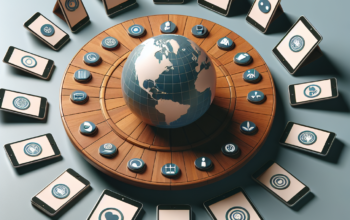
Social media platforms like Twitter, Facebook, and Instagram have transformed the way political narratives are formed and disseminated. In 2025, these platforms have become primary channels through which politicians communicate their messages and engage with constituents. Candidates now maintain active social media presences aimed at raw, unfiltered interactions that can drive public perception instantly. This accessibility allows for real-time feedback, enabling politicians to pivot strategies based on public sentiment almost instantaneously.
Moreover, social media thrives on the rapid spread of information, which can amplify political messages. A single tweet or post can reach millions of users in a matter of minutes, effectively saturating the political landscape with specific narratives. However, the immediacy and volume of information can lead to the spreading of misinformation and disinformation, which can skew public understanding and exacerbate polarization. As we analyze the impact of social media on political discourse, we must appreciate its dual role as both a facilitator of dialogue and a potential source of chaos.
Polarization in Political Discourse due to Social Media
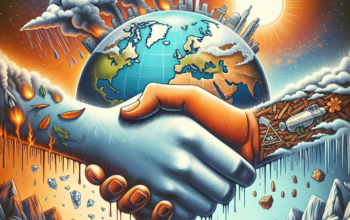
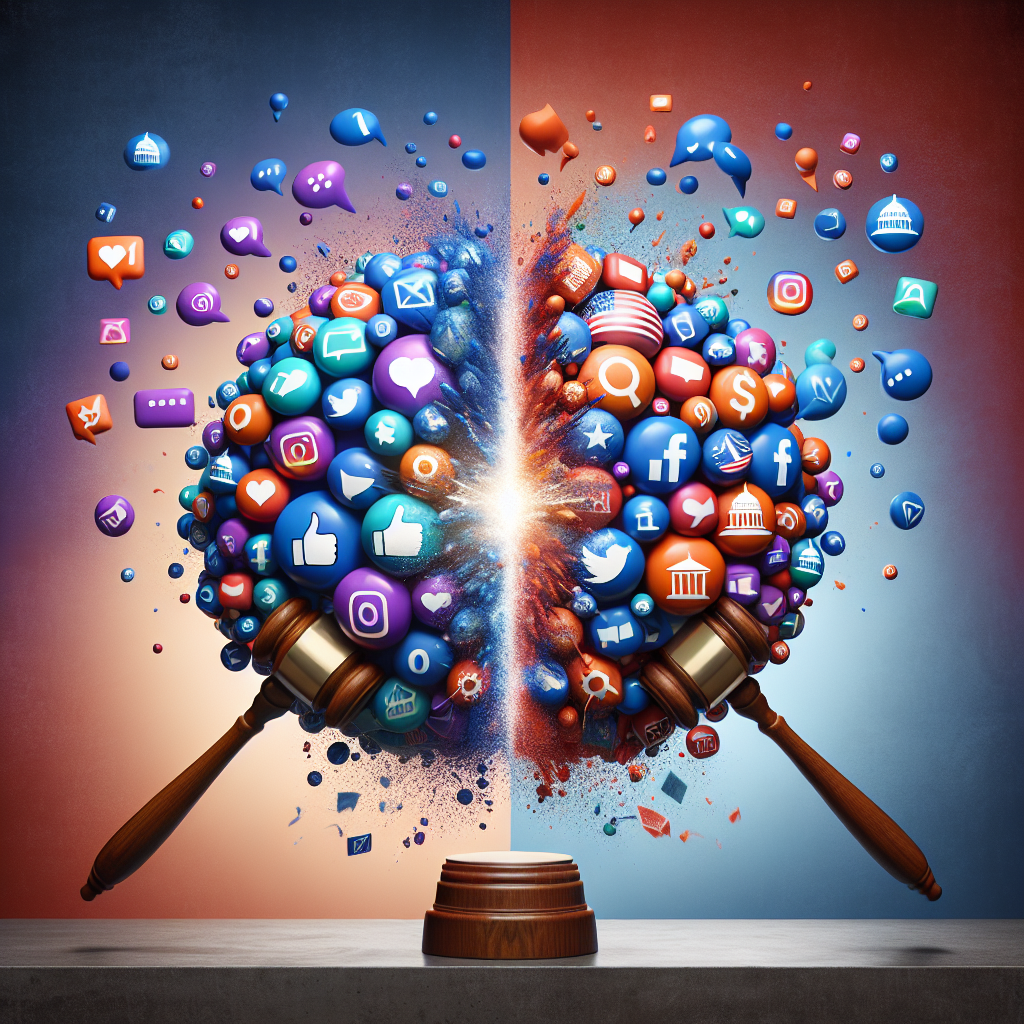
The relationship between social media and political polarization has evolved considerably by 2025, with algorithm-driven content creating echo chambers that reinforce users’ existing beliefs. Research has shown that individuals engaging with politically biased content more frequently become increasingly resistant to opposing viewpoints. Platforms utilize algorithms that prioritize user engagement, often promoting extreme content because it generates more interaction, thus inadvertently cultivating a polarized political climate.
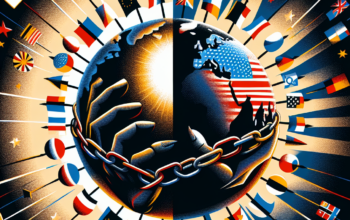
This phenomenon is not isolated to one country or political system; it has global ramifications, leading to divisive socio-political landscapes worldwide. Political opponents may be viewed not just as adversaries but as existential threats, further entrenching divisions. The impact of social media on political discourse underscores the importance of critical media literacy to navigate these polarized environments, emphasizing the need for users to engage with diverse perspectives to foster a more constructive dialogue.
The Power and Pitfalls of Social Media Activism
Social media has successfully mobilized grassroots movements and facilitated political activism on an unprecedented scale. Platforms have become essential for organizing protests, sharing information, and rallying support for various causes, from climate action to social justice. By 2025, movements like #MeToo and Black Lives Matter have gained substantial traction through viral content, empowering individuals to act and engage in political discourse that transcends traditional boundaries.
However, while social media activism offers significant advantages, it also presents serious pitfalls. This “clicktivism” phenomenon, where individuals might feel empowered simply by liking or sharing posts, can create the illusion of engagement without fostering substantial real-world impact. Additionally, the oversaturation of content can lead to viewer fatigue, where essential issues become diluted in a sea of information. Critical analysis of the role played by social media in activism is imperative to understand its true impact on political discourse and social change.
The Influence of Misinformation and Disinformation on Politics
Misinformation and disinformation have permeated social media, creating topological challenges for political discourse by 2025. Social media platforms have been criticized for their inadequate strategies to combat false information, which can lead to widespread confusion among the electorate. Research indicates that misinformation is shared more frequently than factual news, exacerbating public distrust in institutions and scientific consensus. This trend poses critical challenges to democratic processes as it can skew public opinion based on unverified claims.
Furthermore, the ramifications of misinformation extend beyond political discourse, affecting public health and social relations. In a globalized world, a single misleading post can have far-reaching consequences, influencing everything from electoral outcomes to public policy formation. Addressing these challenges requires concerted efforts from tech companies, content creators, and governmental bodies to promote transparency, accountability, and comprehensive educational initiatives to build resilience against misinformation effectively.
The Future of Social Media and Political Discourse
The trajectory of social media’s role in political discourse by 2025 remains uncertain, shaped by ongoing technological advancements and societal changes. As artificial intelligence becomes increasingly integrated into content moderation and dissemination on these platforms, the potential for both positive and negative outcomes intensifies. Enhanced algorithms could help identify and flag misleading content more effectively, promoting healthier political discussions while allowing space for diverse viewpoints.
However, the evolution of social media also raises ethical considerations regarding censorship, data privacy, and user agency. Striking a balance between safeguarding free speech and preventing the spread of harmful content will be an ongoing challenge for policymakers and platform operators alike. Building an inclusive digital ecosystem that fosters constructive political discourse requires collaboration among various stakeholders, including tech companies, educators, and community organizations.
As social media continues to develop, it is imperative to analyze its impact on political discourse continually. Understanding how these platforms can be optimized for promoting informed discussions while minimizing misinformation will shape the future of democratic engagement.
Conclusion
Analyzing the impact of social media on political discourse reveals a landscape rich with opportunities and challenges. From the shaping of political narratives to the risk of increasing polarization, social media’s pervasive influence is undeniable. While it empowers activism and facilitates the rapid spread of information, it equally challenges society with the risks of misinformation and echo chambers. As outlined, the constructive engagement with social media not only hinges on the platforms’ evolution but also on our ability to foster critical thinking and inclusivity within digital political spaces.
FAQs
How has social media changed the way politicians communicate?
Social media allows politicians to engage directly with the public, share updates instantly, and respond to feedback in real-time, changing the traditional methods of political communication.
What are the main risks associated with social media in political discourse?
The primary risks include the spread of misinformation, exacerbation of polarization, and the potential for echo chambers, which can all distort public understanding and discourse.
How can individuals combat misinformation on social media?
Individuals can combat misinformation by fact-checking sources, engaging with diverse content, and fostering critical thinking to analyze the information they encounter online.
What role does social media play in political activism?
Social media is a powerful tool for organizing and mobilizing activism, raising awareness, and fostering community engagement around political causes.
What are some strategies for enhancing political discourse on social media?
Promoting media literacy, encouraging diverse viewpoints, and implementing regulations to manage misinformation responsibly can all enhance political discourse on social media platforms.